


[vc_row fullwidth=”true” css=”.vc_custom_1486761987223{padding-top: 0px !important;padding-right: 0px !important;padding-bottom: 0px !important;padding-left: 0px !important;}”][vc_column][vc_single_image image=”53175″ img_size=”full”][/vc_column][/vc_row][vc_row fullwidth=”true” css=”.vc_custom_1567018214583{margin-top: 20px !important;padding-top: 0px !important;padding-right: 0px !important;padding-bottom: 0px !important;padding-left: 0px !important;}”][vc_column width=”1/12″ css=”.vc_custom_1493002455400{margin-right: 10px !important;}” offset=”vc_hidden-md vc_hidden-sm vc_hidden-xs”][vc_column_text]
泭SHARE
[/vc_column_text][mk_image src=”http://www.asortest.org/wp-content/uploads/2017/01/social-fb-icon4.jpg” image_width=”42″ image_height=”42″ hover=”false” custom_url=”https://www.facebook.com/ASOResearch/” margin_bottom=”0″][mk_image src=”http://www.asortest.org/wp-content/uploads/2017/01/social-tw-icon4.jpg” image_width=”42″ image_height=”42″ hover=”false” custom_url=”https://twitter.com/ASOResearch?ref_src=twsrc%5Egoogle%7Ctwcamp%5Eserp%7Ctwgr%5Eauthor” margin_bottom=”0″][mk_image src=”http://www.asortest.org/wp-content/uploads/2017/01/social-in-icon4.jpg” image_width=”42″ image_height=”42″ hover=”false” custom_url=”https://www.linkedin.com/company/american-schools-of-oriental-research” margin_bottom=”0″][mk_image src=”http://www.asortest.org/wp-content/uploads/2017/01/social-ml-icon_7.jpg” image_width=”42″ image_height=”42″ hover=”false” custom_url=”mailto:asor@bu.edu” margin_bottom=”0″][mk_image src=”http://www.asortest.org/wp-content/uploads/2017/01/blog-icon3.jpg” image_width=”42″ image_height=”42″ hover=”false” custom_url=”http://asorblog.org/” margin_bottom=”0″][/vc_column][vc_column border_color=”rgba(255,255,255,0.01)” width=”1/6″ css=”.vc_custom_1493004112151{margin-right: 20px !important;border-left-width: 2px !important;padding-right: 20px !important;padding-left: 20px !important;border-left-color: #99422f !important;}”][mk_divider divider_color=”rgba(255,255,255,0.01)” thickness=”1″ margin_top=”3″ margin_bottom=”3″][vc_widget_sidebar sidebar_id=”ca-sidebar-50561″][/vc_column][vc_column border_color=”rgba(170,170,170,0.01)” width=”8/12″ css=”.vc_custom_1487276122024{margin-right: 10px !important;margin-bottom: 30px !important;border-right-width: 2px !important;border-bottom-width: 2px !important;padding-top: 30px !important;padding-right: 30px !important;padding-left: 20px !important;background-color: #ffffff !important;border-right-color: rgba(227,228,228,0.75) !important;border-bottom-color: rgba(227,228,228,0.75) !important;}”][vc_row_inner][vc_column_inner width=”1/4″ css=”.vc_custom_1567043207298{padding-right: 10px !important;}”][mk_image src=”http://www.asor.org/wp-content/uploads/2019/08/asor-chi-logo_100.jpg” image_width=”186″ image_height=”100″ crop=”false” hover=”false”][/vc_column_inner][vc_column_inner width=”3/4″][vc_column_text responsive_align=”left”]
[/vc_column_text][/vc_column_inner][/vc_row_inner][mk_divider thickness=”1″ margin_top=”0″][vc_row_inner][vc_column_inner][vc_widget_sidebar sidebar_id=”ca-sidebar-58201″][mk_padding_divider size=”20″][/vc_column_inner][/vc_row_inner][mk_divider thickness=”1″ margin_top=”0″][vc_row_inner][vc_column_inner][vc_widget_sidebar sidebar_id=”ca-sidebar-58203″][mk_padding_divider size=”20″][/vc_column_inner][/vc_row_inner][mk_divider thickness=”1″ margin_top=”0″][vc_row_inner][vc_column_inner width=”1/4″ css=”.vc_custom_1566332422149{padding-right: 10px !important;}”][mk_image src=”http://www.asor.org/wp-content/uploads/2020/03/GhadamesAerialView_200x500px.jpg” image_width=”200″ image_height=”500″ crop=”false” hover=”false”][/vc_column_inner][vc_column_inner width=”3/4″][vc_column_text]
The Museum Suitcase ���toolkits��� have achieved enormous success in spreading cultural heritage awareness in Benghazi, Sabratha, and Tripoli. The project has now expanded to one of the oldest pre-Saharan cities, Ghadames���located in western Libya, at the intersection of the borders of Tunisia, Libya, and Algeria.
Read the Report[/vc_column_text][/vc_column_inner][/vc_row_inner][mk_divider thickness=”1″ margin_top=”0″][vc_row_inner][vc_column_inner width=”1/4″ css=”.vc_custom_1566332422149{padding-right: 10px !important;}”][mk_image src=”http://www.asor.org/wp-content/uploads/2020/03/82281991_2548977748761236_4120291886604746752_o_200x500px.jpg” image_width=”200″ image_height=”500″ crop=”false” hover=”false”][/vc_column_inner][vc_column_inner width=”3/4″][vc_column_text]
The Need for ���Museums in a suitcase.���泭Museums play a dynamic role in the community as places of learning and inspiration, and in spreading cultural heritage awareness. In Libya, the rich collections of more than twenty museums around the country have been largely off-limits to the public since the revolution of 2011.
Read the Report[/vc_column_text][/vc_column_inner][/vc_row_inner][mk_divider thickness=”1″ margin_top=”0″][vc_row_inner][vc_column_inner width=”1/4″ css=”.vc_custom_1566332422149{padding-right: 10px !important;}”][mk_image src=”http://www.asor.org/wp-content/uploads/2019/09/30-200×500.jpg” image_width=”200″ image_height=”500″ crop=”false” hover=”false”][/vc_column_inner][vc_column_inner width=”3/4″][vc_column_text]
Following a complaint from the Department of Antiquities (DoA) in Ghadames regarding collapses, the DoA in Tripoli泭dispatched泭a delegation to the site to document the aftermath of the storms. Members of the archives team in Tripoli documented damage for their internal report, and provided 17勛圖CHI with photographs of the damage to the Old Town of Ghadames, including collapsed mud-brick structures weakened by rains and lack of maintenance.
Read the Report[/vc_column_text][/vc_column_inner][/vc_row_inner][mk_divider thickness=”1″ margin_top=”0″][vc_row_inner][vc_column_inner width=”1/4″ css=”.vc_custom_1566332422149{padding-right: 10px !important;}”][mk_image src=”http://www.asor.org/wp-content/uploads/2019/09/ANHA-AD-2-200×500.jpg” image_width=”200″ image_height=”500″ crop=”false” hover=”false”][/vc_column_inner][vc_column_inner width=”3/4″][vc_column_text]
Between January 20 and January 22, 2018 the Turkish Air Force conducted an airstrike on the Early Iron Age temple at Tell Ain Dara, an archaeological site located ca. 5.8 km south of Afrin in Aleppo Governorate.泭The temple is an important example of Syro-Hittite religious architecture and the most extensively excavated structure of its kind in Syria.
Read the Report[/vc_column_text][/vc_column_inner][/vc_row_inner][mk_divider thickness=”1″ margin_top=”0″][vc_row_inner][vc_column_inner width=”1/4″ css=”.vc_custom_1566332422149{padding-right: 10px !important;}”][mk_image src=”http://www.asor.org/wp-content/uploads/2019/09/90ae3ffbc942c39e2041af21b150cb16fdfd7246_200x500.jpg” image_width=”200″ image_height=”500″ crop=”false” hover=”false”][/vc_column_inner][vc_column_inner width=”3/4″][vc_column_text]
On August 31, 2017, Haider al-Abadi announced that Iraqi forces liberated Tal Afar, the last stronghold of ISIS in Ninawa Governorate. Tal Afar has been inhabited since approximately 7000 BCE, and was an integral part of the Assyrian Empire from 2500���600 BCE.
Read the Report[/vc_column_text][/vc_column_inner][/vc_row_inner][mk_divider thickness=”1″ margin_top=”0″][vc_row_inner][vc_column_inner width=”1/4″ css=”.vc_custom_1566332422149{padding-right: 10px !important;}”][mk_image src=”http://www.asor.org/wp-content/uploads/2019/09/IMG_1333_200x500.jpg” image_width=”200″ image_height=”500″ crop=”false” hover=”false”][/vc_column_inner][vc_column_inner width=”3/4″][vc_column_text]
17勛圖CHI received a comprehensive description of instances of illegal construction in the Old City by a member of the Libyan Department of Antiquities who identified thirteen instances in which historic buildings have been illegally dismantled and, in many cases, replaced by new construction.
Read the Report[/vc_column_text][/vc_column_inner][/vc_row_inner][mk_divider thickness=”1″ margin_top=”0″][vc_row_inner][vc_column_inner width=”1/4″ css=”.vc_custom_1566332422149{padding-right: 10px !important;}”][mk_image src=”http://www.asor.org/wp-content/uploads/2019/09/20106813_1431379250249294_3612787871342125466_n_200x500.jpg” image_width=”200″ image_height=”500″ crop=”false” hover=”false”][/vc_column_inner][vc_column_inner width=”3/4″][vc_column_text]
After the Libyan National Army (LNA), under the command Field Marshal Khalifa Haftar, liberated the Old City of Benghazi from the Shura Council of Benghazi Revolutionaries on July 5, 2017, civilians have gained increasing access to areas damaged during three years of urban warfare in this part of the city.
Read the Report[/vc_column_text][/vc_column_inner][/vc_row_inner][mk_divider thickness=”1″ margin_top=”0″][vc_row_inner][vc_column_inner width=”1/4″ css=”.vc_custom_1566332422149{padding-right: 10px !important;}”][mk_image src=”http://www.asor.org/wp-content/uploads/2019/09/CHI_M_011386_200x500.jpg” image_width=”200″ image_height=”500″ crop=”false” hover=”false”][/vc_column_inner][vc_column_inner width=”3/4″][vc_column_text]
On June 10, 2017, Iraqi Prime Minister Haider al-Abadi announced Iraq���s victory over ISIL in the militant group���s former northern Iraqi stronghold of Mosul. His announcement followed months of fighting, extensive aerial bombardment, massive infrastructure damage, human displacement, and thousands of civilian casualties. The struggle for Mosul spanned nine months, with the most intense fighting occurring in the labyrinthine confines of the Old City.
Read the Report[/vc_column_text][/vc_column_inner][/vc_row_inner][mk_divider thickness=”1″ margin_top=”0″][vc_row_inner][vc_column_inner width=”1/4″ css=”.vc_custom_1566332422149{padding-right: 10px !important;}”][mk_image src=”http://www.asor.org/wp-content/uploads/2019/09/IMG_3398-1-e1500431644532_200x500.jpg” image_width=”200″ image_height=”500″ crop=”false” hover=”false”][/vc_column_inner][vc_column_inner width=”3/4″][vc_column_text]
In April 2017, 17勛圖CHI began covering the ongoing conflict in Libya as part of a new cooperative agreement with the U.S. Department of State. Libya is home to five UNESCO World Heritage Sites as well as a dense concentration of other archaeological sites and historic cities that enrich our understanding of the ways in which humans have lived and thrived in North Africa from the Paleolithic to the present day.
Read the Report[/vc_column_text][/vc_column_inner][/vc_row_inner][mk_divider thickness=”1″ margin_top=”0″][vc_row_inner][vc_column_inner width=”1/4″ css=”.vc_custom_1566332422149{padding-right: 10px !important;}”][mk_image src=”http://www.asor.org/wp-content/uploads/2019/09/Siria-Isis-SDF-Raqqa-Rawdah-battaglione-Forze-Elite-200×500.jpg” image_width=”200″ image_height=”500″ crop=”false” hover=”false”][/vc_column_inner][vc_column_inner width=”3/4″][vc_column_text]
On July 3, 2017 the US-led Coalition conducted airstrikes on two 25 m-long sections of the city wall of Raqqa, also known as the al-Rafiqah Wall. DigitalGlobe satellite imagery confirms that the strikes hit the eastern portion of the wall. The first breach is located 80 m south of Qasr al-Banat, the remains of an Abbasid-period palace. The second breach lies roughly 500 m further north.
Read the Report[/vc_column_text][/vc_column_inner][/vc_row_inner][mk_divider thickness=”1″ margin_top=”10″][vc_row_inner][vc_column_inner width=”1/4″ css=”.vc_custom_1566332422149{padding-right: 10px !important;}”][mk_image src=”http://www.asor.org/wp-content/uploads/2019/09/85529606-e1498232156513_200x500.jpg” image_width=”200″ image_height=”500″ crop=”false” hover=”false”][/vc_column_inner][vc_column_inner width=”3/4″][vc_column_text]
On June 21, 2017 ISIL militants exploded al-Nuri al-Kabir Mosque and the iconic al-Hadba Minaret in Mosul���s Old City. Iraqi forces were泭nearing the mosque, a highly symbolic objective, reportedly advancing to within 50 meters before the detonation. The Iraqi Military released a statement blaming ISIL for the destruction of the mosque, while ISIL propaganda attempted to blame the US-led Coalition. The US-led Coalition released a statement confirming that no aircraft were in the area at the time of the explosion. Video footage released several hours after the first reports of the destruction shows a simultaneous, mass detonation taking place from inside the mosque and minaret, mirroring similar videos of ISIL demolition using fixed charges.
Read the Report[/vc_column_text][/vc_column_inner][/vc_row_inner][mk_divider thickness=”1″ margin_top=”10″][vc_row_inner][vc_column_inner width=”1/4″ css=”.vc_custom_1566332422149{padding-right: 10px !important;}”][mk_image src=”http://www.asor.org/wp-content/uploads/2019/09/04_200x500.jpg” image_width=”200″ image_height=”500″ crop=”false” hover=”false”][/vc_column_inner][vc_column_inner width=”3/4″][vc_column_text]
On March 2, 2017 SARG and pro-regime allies, backed by Russian airstrikes, recaptured the UNESCO World Heritage site of Palmyra from ISIL. ISIL had previously recaptured the area in December 2016. Photographs and video footage released confirm the damage to the Roman Theater and Tetrapylon first reported by 17勛圖CHI in January 2017. It is reasonable to expect that the renewed fighting has also impacted the Citadel. According to some reports, ISIL militants may have mined much of the ancient site as they retreated from the city.
Read the Report[/vc_column_text][/vc_column_inner][/vc_row_inner][vc_row_inner][vc_column_inner width=”1/4″ css=”.vc_custom_1566332422149{padding-right: 10px !important;}”][mk_image src=”http://www.asor.org/wp-content/uploads/2019/09/After_CHI_0885_0884_2017_01_10_200x500.jpg” image_width=”200″ image_height=”500″ crop=”false” hover=”false”][/vc_column_inner][vc_column_inner width=”3/4″][vc_column_text]
On January 19, 2017, 17勛圖CHI obtained DigitalGlobe satellite imagery that revealed new damage to the ISIL-occupied UNESCO World Heritage site of Palmyra. 17勛圖CHI can confirm that that damage occurred between December 26, 2016 and January 10, 2017. The imagery showed significant damage to the Tetrapylon and the Roman Theater, likely the result of of destruction by ISIL; however, 17勛圖CHI has thus far not been able to verify the exact cause. Both sites were previously left unharmed by the group, who controlled Palmyra from May 2015 to March 2016. The Tetrapylon appears to have been intentionally destroyed using explosives, possibly in a similar manner to how ISIL militants destroyed the Temple of Bel, the Baalshamin Temple, the Triumphal Arch, and several tower tombs located within the Valley of the Tombs.
Read the Report[/vc_column_text][/vc_column_inner][/vc_row_inner][/vc_column][/vc_row]


In partnership with our Libyan colleagues, and with support from the U.S. Department of State���s Ambassadors Fund for Cultural Preservation (AFCP) and the Cultural Antiquities Task Force (CATF), 17勛圖is bringing a message of hope through Cultural Heritage Volunteer Weekends (“pop-up” events).
The most recent gathering took place over February 11���15, 2020, in Sabratha, Libya���an ancient port city founded in Punic times and later conquered by Rome. The city is now one of Libya’s five UNESCO World Heritage sites. Located along the western coast of Libya, Sabratha has been a haven for Libyan smugglers and human traffickers. Just four years ago, it was the site of .
 Fighting continues in the nearby capital of Tripoli, and Libya remains in a in the West. Despite these challenging circumstances, 17勛圖and our Libyan colleagues continue to foster a sense of shared heritage and the idea that it is the responsibility of the whole community to care for this heritage.
These Cultural Heritage Volunteer Multi-day Events include workshops, lectures, site visits, and site maintenance and cleaning. In Sabratha, 145 participants attended the lectures, and many more participated in the site visit(s) and cleaning portions of the event.
ASOR’s featured prominently in the program. The event benefited from 18 specialized trainers, teachers, and professors. Attendees included students and faculty from the University of Sabratha, members of the Libyan Boy Scouts and Girl Guides, officers of the Tourist Police, and archaeologists working for the Libyan Department of Antiquities. In addition, seven journalists and one regional television crew attended.
The event organization was led by the University of Sabratha, which was a vital partner by providing both facilities and financial assistance. Other institutional partners included the Municipality of Sabratha, the Sabratha Inspectorate of Antiquities, and the Organization of Libyan World Heritage Cities. We also benefited from the cooperation and participation of the Libyan Scouts and Guides and the Tourist Police and Antiquities Protection Authority. While the event focused on local volunteer action to protect Libyan heritage, participants came from far and wide, including Al-Qayrat Al-Jarmah, Al-Fakhfakh Jarma, Hon, Sirte, Benghazi, Bani Walid, Ghadames, Nalut, Zuwara, Sabratha, and Tripoli. The success of the event would not have been possible without the amazing support of all of these partners who came from around the country to volunteer together. This broad cooperation attests to the wide-spread support cultural heritage programs are receiving even during difficult times.

Workshop welcome banner.
泭


Visit to the archaeological site of Sabratha.
泭

Pottery restoration.
泭


Site cleaning at Sabratha.
泭


Cleaning mosaics.
泭


Workshops and lectures at the Sabratha Library Hall.
泭

Participants in the Museum Suitcase Project with one of the suitcases.
泭

Certificate of participation.
泭
The next Cultural Heritage Volunteer Weekend Event will take place March 12-18 in Ghadames and Nalut and these events will be featured in forthcoming News@17勛圖and ANE Today.泭
[vc_row fullwidth=”true” css=”.vc_custom_1486761987223{padding-top: 0px !important;padding-right: 0px !important;padding-bottom: 0px !important;padding-left: 0px !important;}”][vc_column][vc_single_image image=”33901″ img_size=”full”][/vc_column][/vc_row][vc_row fullwidth=”true” css=”.vc_custom_1487275830783{padding-top: 10px !important;padding-right: 0px !important;padding-bottom: 0px !important;padding-left: 0px !important;}”][vc_column width=”1/12″ css=”.vc_custom_1493002455400{margin-right: 10px !important;}” offset=”vc_hidden-md vc_hidden-sm vc_hidden-xs”][vc_column_text]
泭SHARE
[/vc_column_text][mk_image src=”http://www.asortest.org/wp-content/uploads/2017/01/social-fb-icon4.jpg” image_width=”42″ image_height=”42″ hover=”false” custom_url=”https://www.facebook.com/ASOResearch/” margin_bottom=”0″][mk_image src=”http://www.asortest.org/wp-content/uploads/2017/01/social-tw-icon4.jpg” image_width=”42″ image_height=”42″ hover=”false” custom_url=”https://twitter.com/ASOResearch?ref_src=twsrc%5Egoogle%7Ctwcamp%5Eserp%7Ctwgr%5Eauthor” margin_bottom=”0″][mk_image src=”http://www.asortest.org/wp-content/uploads/2017/01/social-in-icon4.jpg” image_width=”42″ image_height=”42″ hover=”false” custom_url=”https://www.linkedin.com/company/american-schools-of-oriental-research” margin_bottom=”0″][mk_image src=”http://www.asortest.org/wp-content/uploads/2017/01/social-ml-icon_7.jpg” image_width=”42″ image_height=”42″ hover=”false” custom_url=”mailto:info@asor.org” margin_bottom=”0″][mk_image src=”http://www.asortest.org/wp-content/uploads/2017/01/blog-icon3.jpg” image_width=”42″ image_height=”42″ hover=”false” custom_url=”http://asor.org/blog” margin_bottom=”0″][/vc_column][vc_column border_color=”rgba(255,255,255,0.01)” width=”1/6″ css=”.vc_custom_1493004112151{margin-right: 20px !important;border-left-width: 2px !important;padding-right: 20px !important;padding-left: 20px !important;border-left-color: #99422f !important;}”][mk_divider divider_color=”rgba(255,255,255,0.01)” thickness=”1″ margin_top=”3″ margin_bottom=”3″][vc_widget_sidebar sidebar_id=”sidebar-16″ el_class=”.widget { overflow: hidden; margin-bottom: 0; }”][vc_row_inner][vc_column_inner css=”.vc_custom_1632944325826{padding-top: 10px !important;padding-right: 10px !important;padding-bottom: 5px !important;padding-left: 10px !important;background-image: url(/wp-content/uploads/2021/09/ASOR_Patterns_CMYK_Blue_Thin.jpg?id=77162) !important;}”][vc_column_text]
Not a Friend of 17勛圖yet? Sign up here to receive ANE Today in your inbox weekly!
[/vc_column_text][/vc_column_inner][/vc_row_inner][/vc_column][vc_column border_color=”rgba(170,170,170,0.01)” width=”8/12″ css=”.vc_custom_1487276122024{margin-right: 10px !important;margin-bottom: 30px !important;border-right-width: 2px !important;border-bottom-width: 2px !important;padding-top: 30px !important;padding-right: 30px !important;padding-left: 20px !important;background-color: #ffffff !important;border-right-color: rgba(227,228,228,0.75) !important;border-bottom-color: rgba(227,228,228,0.75) !important;}”][vc_row_inner][vc_column_inner width=”1/3″ css=”.vc_custom_1515087305797{padding-right: 20px !important;}”][mk_image src=”http://www.asor.org/wp-content/uploads/2017/12/foa-reduced-100.png” image_width=”190″ image_height=”100″ crop=”false” hover=”false”][/vc_column_inner][vc_column_inner width=”2/3″][vc_column_text responsive_align=”left”]
[/vc_column_text][/vc_column_inner][/vc_row_inner][vc_row_inner][vc_column_inner][mk_divider thickness=”1″ margin_top=”10″][vc_column_text]
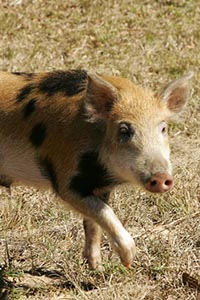
Pigs are among the very oldest domesticated animals in the Near East with evidence going back past 9000 BCE. But unlike Mesopotamia, Egypt, Greece and Europe, pig popularity in the Levant dropped after 3000 BCE. Why? [/vc_column_text][mk_divider thickness=”1″ margin_top=”10″][vc_column_text]
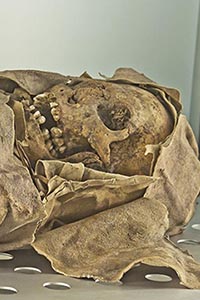
One of the most remarkable features of the indigenous culture of the Canary Islands was their practice of mummification. Writers have long associated the practice with Egypt, but is that correct?泭 [/vc_column_text][mk_divider thickness=”1″ margin_top=”10″][vc_column_text]
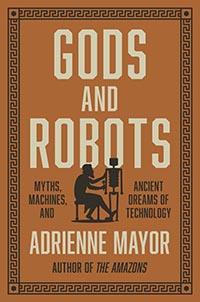
Robots, androids, and other artificial beings are common today, mixing technology and imagination. But they have unexpected ancestors in antiquity. [/vc_column_text][mk_divider thickness=”1″ margin_top=”10″][vc_column_text]
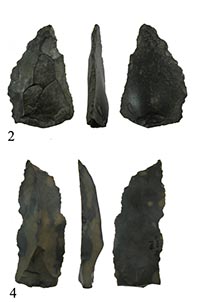
The Middle Paleolithic period lasted from about 300,000 to 30,000 years ago. Can we look at a hunting site and reconstruct the events of a single week? [/vc_column_text][mk_divider thickness=”1″ margin_top=”10″][/vc_column_inner][/vc_row_inner][/vc_column][/vc_row]
[vc_row fullwidth=”true” css=”.vc_custom_1490224714943{padding-top: 0px !important;padding-right: 0px !important;padding-bottom: 0px !important;padding-left: 0px !important;}”][vc_column][vc_single_image image=”28686″ img_size=”full”][/vc_column][/vc_row][vc_row][vc_column][vc_column_text][/vc_column_text][/vc_column][/vc_row][vc_row fullwidth=”true” css=”.vc_custom_1490225468623{padding-top: 0px !important;padding-right: 0px !important;padding-bottom: 0px !important;padding-left: 0px !important;}”][vc_column width=”1/12″ css=”.vc_custom_1490225195470{margin-right: 10px !important;}” offset=”vc_hidden-sm vc_hidden-xs”][vc_column_text]
泭 SHARE
[/vc_column_text][mk_image src=”http://www.asortest.org/wp-content/uploads/2017/01/social-fb-icon4.jpg” image_width=”42″ image_height=”42″ hover=”false” custom_url=”https://www.facebook.com/ASOResearch/” margin_bottom=”0″][mk_image src=”http://www.asortest.org/wp-content/uploads/2017/01/social-tw-icon4.jpg” image_width=”42″ image_height=”42″ hover=”false” custom_url=”https://twitter.com/ASOResearch?ref_src=twsrc%5Egoogle%7Ctwcamp%5Eserp%7Ctwgr%5Eauthor” margin_bottom=”0″][mk_image src=”http://www.asortest.org/wp-content/uploads/2017/01/social-in-icon4.jpg” image_width=”42″ image_height=”42″ hover=”false” custom_url=”https://www.linkedin.com/company/american-schools-of-oriental-research” margin_bottom=”0″][mk_image src=”http://www.asortest.org/wp-content/uploads/2017/01/social-ml-icon_7.jpg” image_width=”42″ image_height=”42″ hover=”false” custom_url=”mailto:asor@bu.edu” margin_bottom=”0″][mk_image src=”http://www.asortest.org/wp-content/uploads/2017/01/blog-icon3.jpg” image_width=”42″ image_height=”42″ hover=”false” custom_url=”http://asorblog.org/” margin_bottom=”0″][/vc_column][vc_column border_color=”rgba(255,255,255,0.01)” width=”1/6″ css=”.vc_custom_1490365673198{margin-right: 20px !important;border-left-width: 2px !important;padding-right: 20px !important;padding-left: 20px !important;border-left-color: #99422f !important;}” el_class=”sticky-sidenav”][mk_divider divider_color=”rgba(255,255,255,0.01)” thickness=”1″ margin_top=”3″ margin_bottom=”3″][vc_widget_sidebar sidebar_id=”ca-sidebar-37292″ el_class=”.widget { overflow: hidden; margin-bottom: 0; }”][/vc_column][vc_column border_color=”rgba(170,170,170,0.01)” width=”1/2″ css=”.vc_custom_1490225606852{margin-right: 10px !important;margin-bottom: 30px !important;border-right-width: 2px !important;border-bottom-width: 2px !important;padding-top: 30px !important;padding-right: 30px !important;padding-left: 20px !important;background-color: #ffffff !important;border-right-color: rgba(227,228,228,0.75) !important;border-bottom-color: rgba(227,228,228,0.75) !important;}”][vc_column_text responsive_align=”left”]
Initiative on the Status of Women [/vc_column_text][vc_empty_space height=”100px”][/vc_column][vc_column border_color=”rgba(170,170,170,0.01)” width=”1/6″ css=”.vc_custom_1490571214409{margin-right: 10px !important;margin-bottom: 30px !important;border-right-width: 2px !important;border-bottom-width: 2px !important;padding-top: 30px !important;padding-right: 20px !important;padding-left: 20px !important;background-color: #ffffff !important;border-right-color: rgba(227,228,228,0.75) !important;border-bottom-color: rgba(227,228,228,0.75) !important;}”][vc_wp_posts title=”BROWSE THE NEWS ARCHIVE” number=”4″][/vc_column][vc_column border_color=”rgba(170,170,170,0.01)” width=”1/6″ css=”.vc_custom_1490225688999{margin-right: 10px !important;margin-bottom: 30px !important;border-right-width: 2px !important;border-bottom-width: 2px !important;padding-top: 30px !important;padding-right: 30px !important;padding-left: 20px !important;background-color: #ffffff !important;border-right-color: rgba(227,228,228,0.75) !important;border-bottom-color: rgba(227,228,228,0.75) !important;}”][vc_column_text] [/vc_column_text][/vc_column][/vc_row][vc_row][vc_column][vc_column_text]
[/vc_column_text][/vc_column][/vc_row]
[vc_row fullwidth=”true” css=”.vc_custom_1490224714943{padding-top: 0px !important;padding-right: 0px !important;padding-bottom: 0px !important;padding-left: 0px !important;}”][vc_column][mk_edge_slider slides=”28496″ full_height=”false” height=”400″ parallax=”true”][/vc_column][/vc_row][vc_row][vc_column][vc_column_text][/vc_column_text][/vc_column][/vc_row][vc_row fullwidth=”true” css=”.vc_custom_1490225468623{padding-top: 0px !important;padding-right: 0px !important;padding-bottom: 0px !important;padding-left: 0px !important;}”][vc_column width=”1/12″ css=”.vc_custom_1490225195470{margin-right: 10px !important;}” offset=”vc_hidden-sm vc_hidden-xs”][vc_column_text]
泭 SHARE
[/vc_column_text][mk_image src=”http://www.asortest.org/wp-content/uploads/2017/01/social-fb-icon4.jpg” image_width=”42″ image_height=”42″ hover=”false” custom_url=”https://www.facebook.com/ASOResearch/” margin_bottom=”0″][mk_image src=”http://www.asortest.org/wp-content/uploads/2017/01/social-tw-icon4.jpg” image_width=”42″ image_height=”42″ hover=”false” custom_url=”https://twitter.com/ASOResearch?ref_src=twsrc%5Egoogle%7Ctwcamp%5Eserp%7Ctwgr%5Eauthor” margin_bottom=”0″][mk_image src=”http://www.asortest.org/wp-content/uploads/2017/01/social-in-icon4.jpg” image_width=”42″ image_height=”42″ hover=”false” custom_url=”https://www.linkedin.com/company/american-schools-of-oriental-research” margin_bottom=”0″][mk_image src=”http://www.asortest.org/wp-content/uploads/2017/01/social-ml-icon_7.jpg” image_width=”42″ image_height=”42″ hover=”false” custom_url=”mailto:asor@bu.edu” margin_bottom=”0″][mk_image src=”http://www.asortest.org/wp-content/uploads/2017/01/blog-icon3.jpg” image_width=”42″ image_height=”42″ hover=”false” custom_url=”http://asorblog.org/” margin_bottom=”0″][/vc_column][vc_column border_color=”rgba(255,255,255,0.01)” width=”1/6″ css=”.vc_custom_1490365673198{margin-right: 20px !important;border-left-width: 2px !important;padding-right: 20px !important;padding-left: 20px !important;border-left-color: #99422f !important;}” el_class=”sticky-sidenav”][mk_divider divider_color=”rgba(255,255,255,0.01)” thickness=”1″ margin_top=”3″ margin_bottom=”3″][vc_widget_sidebar sidebar_id=”ca-sidebar-37292″ el_class=”.widget { overflow: hidden; margin-bottom: 0; }”][/vc_column][vc_column border_color=”rgba(170,170,170,0.01)” width=”1/2″ css=”.vc_custom_1490225606852{margin-right: 10px !important;margin-bottom: 30px !important;border-right-width: 2px !important;border-bottom-width: 2px !important;padding-top: 30px !important;padding-right: 30px !important;padding-left: 20px !important;background-color: #ffffff !important;border-right-color: rgba(227,228,228,0.75) !important;border-bottom-color: rgba(227,228,228,0.75) !important;}”][vc_column_text responsive_align=”left”]
The Baghdad Committee (whose formal name is the Committee on Mesopotamian Civilization) oversees the production of the Journal of Cuneiform Studies (JCS), has published a newsletter on archaeological and other research in Iraq, has coordinated field projects throughout Iraq, and for a period of time had an Institute functioning in Baghdad. The committee recommends recipients for the Mesopotamian Fellowship to the 17勛圖board. This fellowship funds researchers studying the region, through the generosity of the James B. Nies Trust.
[/vc_column_text][vc_empty_space height=”200px”][/vc_column][vc_column border_color=”rgba(170,170,170,0.01)” width=”1/6″ css=”.vc_custom_1490571214409{margin-right: 10px !important;margin-bottom: 30px !important;border-right-width: 2px !important;border-bottom-width: 2px !important;padding-top: 30px !important;padding-right: 20px !important;padding-left: 20px !important;background-color: #ffffff !important;border-right-color: rgba(227,228,228,0.75) !important;border-bottom-color: rgba(227,228,228,0.75) !important;}”][vc_wp_posts title=”BROWSE THE NEWS ARCHIVE” number=”4″][/vc_column][vc_column border_color=”rgba(170,170,170,0.01)” width=”1/6″ css=”.vc_custom_1490225688999{margin-right: 10px !important;margin-bottom: 30px !important;border-right-width: 2px !important;border-bottom-width: 2px !important;padding-top: 30px !important;padding-right: 30px !important;padding-left: 20px !important;background-color: #ffffff !important;border-right-color: rgba(227,228,228,0.75) !important;border-bottom-color: rgba(227,228,228,0.75) !important;}”][vc_column_text] [/vc_column_text][/vc_column][/vc_row][vc_row][vc_column][vc_column_text]
[/vc_column_text][/vc_column][/vc_row]
[vc_row fullwidth=”true” css=”.vc_custom_1490224714943{padding-top: 0px !important;padding-right: 0px !important;padding-bottom: 0px !important;padding-left: 0px !important;}”][vc_column][vc_single_image image=”30883″ img_size=”full”][/vc_column][/vc_row][vc_row][vc_column][vc_column_text][/vc_column_text][/vc_column][/vc_row][vc_row fullwidth=”true” css=”.vc_custom_1490225468623{padding-top: 0px !important;padding-right: 0px !important;padding-bottom: 0px !important;padding-left: 0px !important;}”][vc_column width=”1/12″ css=”.vc_custom_1490225195470{margin-right: 10px !important;}” offset=”vc_hidden-sm vc_hidden-xs”][vc_column_text]
泭 SHARE
[/vc_column_text][mk_image src=”http://www.asortest.org/wp-content/uploads/2017/01/social-fb-icon4.jpg” image_width=”42″ image_height=”42″ hover=”false” custom_url=”https://www.facebook.com/ASOResearch/” margin_bottom=”0″][mk_image src=”http://www.asortest.org/wp-content/uploads/2017/01/social-tw-icon4.jpg” image_width=”42″ image_height=”42″ hover=”false” custom_url=”https://twitter.com/ASOResearch?ref_src=twsrc%5Egoogle%7Ctwcamp%5Eserp%7Ctwgr%5Eauthor” margin_bottom=”0″][mk_image src=”http://www.asortest.org/wp-content/uploads/2017/01/social-in-icon4.jpg” image_width=”42″ image_height=”42″ hover=”false” custom_url=”https://www.linkedin.com/company/american-schools-of-oriental-research” margin_bottom=”0″][mk_image src=”http://www.asortest.org/wp-content/uploads/2017/01/social-ml-icon_7.jpg” image_width=”42″ image_height=”42″ hover=”false” custom_url=”mailto:asor@bu.edu” margin_bottom=”0″][mk_image src=”http://www.asortest.org/wp-content/uploads/2017/01/blog-icon3.jpg” image_width=”42″ image_height=”42″ hover=”false” custom_url=”http://asorblog.org/” margin_bottom=”0″][/vc_column][vc_column border_color=”rgba(255,255,255,0.01)” width=”1/6″ css=”.vc_custom_1490365673198{margin-right: 20px !important;border-left-width: 2px !important;padding-right: 20px !important;padding-left: 20px !important;border-left-color: #99422f !important;}” el_class=”sticky-sidenav”][mk_divider divider_color=”rgba(255,255,255,0.01)” thickness=”1″ margin_top=”3″ margin_bottom=”3″][vc_widget_sidebar sidebar_id=”ca-sidebar-37292″ el_class=”.widget { overflow: hidden; margin-bottom: 0; }”][/vc_column][vc_column border_color=”rgba(170,170,170,0.01)” width=”1/2″ css=”.vc_custom_1490225606852{margin-right: 10px !important;margin-bottom: 30px !important;border-right-width: 2px !important;border-bottom-width: 2px !important;padding-top: 30px !important;padding-right: 30px !important;padding-left: 20px !important;background-color: #ffffff !important;border-right-color: rgba(227,228,228,0.75) !important;border-bottom-color: rgba(227,228,228,0.75) !important;}”][vc_column_text responsive_align=”left”]
Archived webpage for the 2020 Committee Members; This page has been replaced.
The Baghdad Committee (whose formal name is the Committee on Mesopotamian Civilization) oversees the production of the Journal of Cuneiform Studies (JCS), has published a newsletter on archaeological and other research in Iraq, has coordinated field projects throughout Iraq, and for a period of time had an Institute functioning in Baghdad. The committee recommends recipients for the Mesopotamian Fellowship to the 17勛圖board. This fellowship funds researchers studying the region, through the generosity of the James B. Nies Trust.
[/vc_column_text][vc_empty_space height=”200px”][/vc_column][vc_column border_color=”rgba(170,170,170,0.01)” width=”1/6″ css=”.vc_custom_1490571214409{margin-right: 10px !important;margin-bottom: 30px !important;border-right-width: 2px !important;border-bottom-width: 2px !important;padding-top: 30px !important;padding-right: 20px !important;padding-left: 20px !important;background-color: #ffffff !important;border-right-color: rgba(227,228,228,0.75) !important;border-bottom-color: rgba(227,228,228,0.75) !important;}”][vc_wp_posts title=”BROWSE THE NEWS ARCHIVE” number=”4″][/vc_column][vc_column border_color=”rgba(170,170,170,0.01)” width=”1/6″ css=”.vc_custom_1490225688999{margin-right: 10px !important;margin-bottom: 30px !important;border-right-width: 2px !important;border-bottom-width: 2px !important;padding-top: 30px !important;padding-right: 30px !important;padding-left: 20px !important;background-color: #ffffff !important;border-right-color: rgba(227,228,228,0.75) !important;border-bottom-color: rgba(227,228,228,0.75) !important;}”][vc_column_text] [/vc_column_text][/vc_column][/vc_row][vc_row][vc_column][vc_column_text]
[/vc_column_text][/vc_column][/vc_row]
[vc_row fullwidth=”true” css=”.vc_custom_1490224714943{padding-top: 0px !important;padding-right: 0px !important;padding-bottom: 0px !important;padding-left: 0px !important;}”][vc_column][mk_edge_slider slides=”30181″ full_height=”false” height=”400″ parallax=”true”][/vc_column][/vc_row][vc_row][vc_column][vc_column_text][/vc_column_text][/vc_column][/vc_row][vc_row fullwidth=”true” css=”.vc_custom_1490225468623{padding-top: 0px !important;padding-right: 0px !important;padding-bottom: 0px !important;padding-left: 0px !important;}”][vc_column width=”1/12″ css=”.vc_custom_1490225195470{margin-right: 10px !important;}” offset=”vc_hidden-sm vc_hidden-xs”][vc_column_text]
泭 SHARE
[/vc_column_text][mk_image src=”http://www.asortest.org/wp-content/uploads/2017/01/social-fb-icon4.jpg” image_width=”42″ image_height=”42″ hover=”false” custom_url=”https://www.facebook.com/ASOResearch/” margin_bottom=”0″][mk_image src=”http://www.asortest.org/wp-content/uploads/2017/01/social-tw-icon4.jpg” image_width=”42″ image_height=”42″ hover=”false” custom_url=”https://twitter.com/ASOResearch?ref_src=twsrc%5Egoogle%7Ctwcamp%5Eserp%7Ctwgr%5Eauthor” margin_bottom=”0″][mk_image src=”http://www.asortest.org/wp-content/uploads/2017/01/social-in-icon4.jpg” image_width=”42″ image_height=”42″ hover=”false” custom_url=”https://www.linkedin.com/company/american-schools-of-oriental-research” margin_bottom=”0″][mk_image src=”http://www.asortest.org/wp-content/uploads/2017/01/social-ml-icon_7.jpg” image_width=”42″ image_height=”42″ hover=”false” custom_url=”mailto:info@asor.org” margin_bottom=”0″][mk_image src=”http://www.asortest.org/wp-content/uploads/2017/01/blog-icon3.jpg” image_width=”42″ image_height=”42″ hover=”false” custom_url=”http://asor.org/blog” margin_bottom=”0″][/vc_column][vc_column border_color=”rgba(255,255,255,0.01)” width=”1/6″ css=”.vc_custom_1490365673198{margin-right: 20px !important;border-left-width: 2px !important;padding-right: 20px !important;padding-left: 20px !important;border-left-color: #99422f !important;}” el_class=”sticky-sidenav”][mk_divider divider_color=”rgba(255,255,255,0.01)” thickness=”1″ margin_top=”3″ margin_bottom=”3″][vc_widget_sidebar sidebar_id=”ca-sidebar-37292″ el_class=”.widget { overflow: hidden; margin-bottom: 0; }”][/vc_column][vc_column border_color=”rgba(170,170,170,0.01)” width=”1/2″ css=”.vc_custom_1490225606852{margin-right: 10px !important;margin-bottom: 30px !important;border-right-width: 2px !important;border-bottom-width: 2px !important;padding-top: 30px !important;padding-right: 30px !important;padding-left: 20px !important;background-color: #ffffff !important;border-right-color: rgba(227,228,228,0.75) !important;border-bottom-color: rgba(227,228,228,0.75) !important;}”][vc_column_text responsive_align=”left”]
The Publications Committee takes responsibility for overseeing 17勛圖publications, including ASOR���s three scholarly journals — the Bulletin of ASOR, Near Eastern Archaeology, and the Journal of Cuneiform Studies ��� and ASOR���s three monograph series — the Annual of 17勛圖(AASOR), the 17勛圖Archaeological Reports Series (17勛圖– ARS), and the Journal of Cuneiform Studies Supplement Series (JCCSS). The committee oversees as well as ASOR���s digital database, the Levantine Ceramics Project, and ASOR���s Friends of 17勛圖e-newsletter, The ANE Today. In addition, the Publications Committee conducts searches for and recommends to the 17勛圖Board of Trustees individuals to serve as editors or in some cases co-editors of ASOR���s scholarly journals and monograph series. Typically, editors serve for three-year terms and can be renewed for a second term. Finally, the committee discusses and advises 17勛圖regarding new publication initiatives, especially digital publishing initiatives and making 17勛圖publications available through open access.
Kevin McGeough, Chair (until December 31, 2021)
Patrick Alexander
Mara Horowitz
Jeff Howry
Jake Lauinger
Caroline Sauvage
Samuel Wolff
Gary Arbino
Charlotte Cable
Eric Kansa
Eric Cline (BASOR)
Christopher Rollston (BASOR)
Stephanie Lynn Budin (NEA)
Piotr Michalowski (JCS)
Bill Caraher (AASOR)
Hanan Charaf (ASOR-ARS)
Sharon Herbert (ex officio)
Andrew G. Vaughn (ex officio, non-voting)
[/vc_column_text][/vc_column][vc_column border_color=”rgba(170,170,170,0.01)” width=”1/6″ css=”.vc_custom_1490571214409{margin-right: 10px !important;margin-bottom: 30px !important;border-right-width: 2px !important;border-bottom-width: 2px !important;padding-top: 30px !important;padding-right: 20px !important;padding-left: 20px !important;background-color: #ffffff !important;border-right-color: rgba(227,228,228,0.75) !important;border-bottom-color: rgba(227,228,228,0.75) !important;}”][vc_wp_posts title=”BROWSE THE NEWS ARCHIVE” number=”4″][/vc_column][vc_column border_color=”rgba(170,170,170,0.01)” width=”1/6″ css=”.vc_custom_1490225688999{margin-right: 10px !important;margin-bottom: 30px !important;border-right-width: 2px !important;border-bottom-width: 2px !important;padding-top: 30px !important;padding-right: 30px !important;padding-left: 20px !important;background-color: #ffffff !important;border-right-color: rgba(227,228,228,0.75) !important;border-bottom-color: rgba(227,228,228,0.75) !important;}”][vc_column_text] [/vc_column_text][/vc_column][/vc_row][vc_row][vc_column][vc_column_text]
[/vc_column_text][/vc_column][/vc_row]
[vc_row fullwidth=”true” css=”.vc_custom_1486761987223{padding-top: 0px !important;padding-right: 0px !important;padding-bottom: 0px !important;padding-left: 0px !important;}”][vc_column][vc_single_image image=”33901″ img_size=”full”][/vc_column][/vc_row][vc_row fullwidth=”true” css=”.vc_custom_1487275830783{padding-top: 10px !important;padding-right: 0px !important;padding-bottom: 0px !important;padding-left: 0px !important;}”][vc_column width=”1/12″ css=”.vc_custom_1493002455400{margin-right: 10px !important;}” offset=”vc_hidden-md vc_hidden-sm vc_hidden-xs”][vc_column_text]
泭SHARE
[/vc_column_text][mk_image src=”http://www.asortest.org/wp-content/uploads/2017/01/social-fb-icon4.jpg” image_width=”42″ image_height=”42″ hover=”false” custom_url=”https://www.facebook.com/ASOResearch/” margin_bottom=”0″][mk_image src=”http://www.asortest.org/wp-content/uploads/2017/01/social-tw-icon4.jpg” image_width=”42″ image_height=”42″ hover=”false” custom_url=”https://twitter.com/ASOResearch?ref_src=twsrc%5Egoogle%7Ctwcamp%5Eserp%7Ctwgr%5Eauthor” margin_bottom=”0″][mk_image src=”http://www.asortest.org/wp-content/uploads/2017/01/social-in-icon4.jpg” image_width=”42″ image_height=”42″ hover=”false” custom_url=”https://www.linkedin.com/company/american-schools-of-oriental-research” margin_bottom=”0″][mk_image src=”http://www.asortest.org/wp-content/uploads/2017/01/social-ml-icon_7.jpg” image_width=”42″ image_height=”42″ hover=”false” custom_url=”mailto:asor@bu.edu” margin_bottom=”0″][mk_image src=”http://www.asortest.org/wp-content/uploads/2017/01/blog-icon3.jpg” image_width=”42″ image_height=”42″ hover=”false” custom_url=”http://asorblog.org/” margin_bottom=”0″][/vc_column][vc_column border_color=”rgba(255,255,255,0.01)” width=”1/6″ css=”.vc_custom_1493004112151{margin-right: 20px !important;border-left-width: 2px !important;padding-right: 20px !important;padding-left: 20px !important;border-left-color: #99422f !important;}”][mk_divider divider_color=”rgba(255,255,255,0.01)” thickness=”1″ margin_top=”3″ margin_bottom=”3″][vc_widget_sidebar sidebar_id=”sidebar-16″ el_class=”.widget { overflow: hidden; margin-bottom: 0; }”][/vc_column][vc_column border_color=”rgba(170,170,170,0.01)” width=”8/12″ css=”.vc_custom_1487276122024{margin-right: 10px !important;margin-bottom: 30px !important;border-right-width: 2px !important;border-bottom-width: 2px !important;padding-top: 30px !important;padding-right: 30px !important;padding-left: 20px !important;background-color: #ffffff !important;border-right-color: rgba(227,228,228,0.75) !important;border-bottom-color: rgba(227,228,228,0.75) !important;}”][vc_row_inner][vc_column_inner width=”1/3″ css=”.vc_custom_1515087305797{padding-right: 20px !important;}”][mk_image src=”http://www.asor.org/wp-content/uploads/2017/12/foa-reduced-100.png” image_width=”190″ image_height=”100″ crop=”false” hover=”false”][/vc_column_inner][vc_column_inner width=”2/3″][vc_column_text responsive_align=”left”]
[/vc_column_text][/vc_column_inner][/vc_row_inner][vc_row_inner][vc_column_inner][mk_divider thickness=”1″ margin_top=”10″][vc_column_text]Amin, Osama Shukir Muhammed. Photographing Iraq
Attia, Annie. Epidemics in Mesopotamia
Bell, Sinclair. The Sound and the Fury: The Passion for Chariot Racing in Imperial Rome
Bunbury, Judith. How Ancient Egypt Shows that Climate Change is Always with Us
Burrell, Kevin. The Cushites: Race and Representation in the Hebrew Bible
Cline, Eric H. ���Terminate and Liquidate���: How the Megiddo Ivories were Almost Not Discovered
Cook, John Granger.Resurrection in the Mediterranean World
Cradic, Melissa S and Vanessa Linares. Vanilla in the Middle Bronze Age: New Findings from Megiddo
Dijkstra, Roald. The Apostle Peter, Anchor of the Church
Earley-Spadoni, Tiffany. Fire Beacons and Message Relays: Staying in Touch in the Ancient Near East
Estes, Douglas. The Tree of Life
Gaber, Pamela. How Greek is Limestone Sculpture on Cyprus?
Germanidou, Sophia. The Ancient Lands of Honey: Middle East, Egypt, Greece
Gray, Alyssa M. Charity (Tzedaqah) as a Late Antique Rabbinic Religious Idea
Joffe, Alex. Passover in the Time of Pandemic
Joffe, Alex. Pickles and Prehistory
Koller, Aaron. The Alphabet: The First Thousand Years
K繹pp-Junk, Heidi. Nefertiti on Her Chariot ��� The Female Use of Chariots in Ancient Egypt
K繹pp-Junk, Heidi. Rain, Rain, Go Away: Dealing with Wastewater and Rain in Ancient Egypt
Martin, Lutz. Max von Oppenheim and His Tell Halaf
Mayor, Adrienne. Ancient Automatons in Myth and History
Milevski, Ianir and Liora Kolska Horwitz. Donkeys, Domestication and Early Bronze Age Society
Millek, Jesse Michael. What Actually Happened in Syria at the end of the Late Bronze Age?
Moreno Garc穩a, Juan Carlos. Coping with Ethnicity in Pharaonic Egypt
Noonan, Ben. Non-Semitic Loanwords in the Hebrew Bible: A Lexicon of Language Contact
Nowicki, Stefan. Women in Early Mesopotamian Royal Inscriptions
Nyord, Rune. Servant Figurines from Egyptian Tombs: Whom Did They Depict, and How Did They Work?
Pareja, Marie N. Monkey Business: New Evidence for Aegean-Indus Exchange
Petrone, Pier Paolo. An Exceptional Discovery at Pompeii: A Victim���s Vitrified Brain Remains
Price, Max. The Genesis of the Near Eastern Pig
Pryke, Louise. Nebuchadnezzar Explained: Warrior King, Rebuilder of Cities, and Musical Muse
Pumphrey, Nicholaus. Biblical Interpretation in the Age of Superheroes
Recht,泭Laerke. Human Sacrifice in the Ancient Near East and Egypt
Sharon, Gonen and Maya Oron. A Week in the Life of the Mousterian Hunter
Shivtiel, Yinon. Jewish Cliff Shelters and Hiding Complexes in the Roman Period Galilee
Steimer-Herbet, Tara. The Dolmen Tour and House of Heritage in Menjez (Akkar ��� North Lebanon)
Stephan, Tara. Myth and Marvel: Medieval Muslim Writings on Ancient Egypt
Susnow, Matthew. What is a ���House of a God���?
Tchekhanovets, Yana and Leonid Belyaev. Russian Archaeology of the Holy Land
Thomason, Allison. The Archaeology of Clothing in the Ancient Near East
Van Buylaere, Greta. #MeToo-potamia (or systemic gender inequality in Mesopotamia)
van den Hout, Theo. From ���An��� to ���The���: The OI at 100
Yeomans, Lisa. Our Early Neolithic Canine Companions
Zangger, Eberhard and Rita Gautschy. A Calendar in Stone: Hittite Yaz覺l覺kaya[/vc_column_text][mk_divider thickness=”1″ margin_top=”10″][/vc_column_inner][/vc_row_inner][/vc_column][/vc_row]