ANE TODAY VOL II n7 (2014)

[vc_row fullwidth=”true” css=”.vc_custom_1486761987223{padding-top: 0px !important;padding-right: 0px !important;padding-bottom: 0px !important;padding-left: 0px !important;}”][vc_column][vc_single_image image=”33901″ img_size=”full”][/vc_column][/vc_row][vc_row fullwidth=”true” css=”.vc_custom_1487275830783{padding-top: 10px !important;padding-right: 0px !important;padding-bottom: 0px !important;padding-left: 0px !important;}”][vc_column width=”1/12″ css=”.vc_custom_1493002455400{margin-right: 10px !important;}” offset=”vc_hidden-md vc_hidden-sm vc_hidden-xs”][vc_column_text]

泭釦晨插賊楚

[/vc_column_text][mk_image src=”http://www.asortest.org/wp-content/uploads/2017/01/social-fb-icon4.jpg” image_width=”42″ image_height=”42″ hover=”false” custom_url=”https://www.facebook.com/ASOResearch/” margin_bottom=”0″][mk_image src=”http://www.asortest.org/wp-content/uploads/2017/01/social-tw-icon4.jpg” image_width=”42″ image_height=”42″ hover=”false” custom_url=”https://twitter.com/ASOResearch?ref_src=twsrc%5Egoogle%7Ctwcamp%5Eserp%7Ctwgr%5Eauthor” margin_bottom=”0″][mk_image src=”http://www.asortest.org/wp-content/uploads/2017/01/social-in-icon4.jpg” image_width=”42″ image_height=”42″ hover=”false” custom_url=”https://www.linkedin.com/company/american-schools-of-oriental-research” margin_bottom=”0″][mk_image src=”http://www.asortest.org/wp-content/uploads/2017/01/social-ml-icon_7.jpg” image_width=”42″ image_height=”42″ hover=”false” custom_url=”mailto:asor@bu.edu” margin_bottom=”0″][mk_image src=”http://www.asortest.org/wp-content/uploads/2017/01/blog-icon3.jpg” image_width=”42″ image_height=”42″ hover=”false” custom_url=”http://asorblog.org/” margin_bottom=”0″][/vc_column][vc_column border_color=”rgba(255,255,255,0.01)” width=”1/6″ css=”.vc_custom_1493004112151{margin-right: 20px !important;border-left-width: 2px !important;padding-right: 20px !important;padding-left: 20px !important;border-left-color: #99422f !important;}”][mk_divider divider_color=”rgba(255,255,255,0.01)” thickness=”1″ margin_top=”3″ margin_bottom=”3″][vc_widget_sidebar sidebar_id=”sidebar-16″ el_class=”.widget { overflow: hidden; margin-bottom: 0; }”][/vc_column][vc_column border_color=”rgba(170,170,170,0.01)” width=”8/12″ css=”.vc_custom_1487276122024{margin-right: 10px !important;margin-bottom: 30px !important;border-right-width: 2px !important;border-bottom-width: 2px !important;padding-top: 30px !important;padding-right: 30px !important;padding-left: 20px !important;background-color: #ffffff !important;border-right-color: rgba(227,228,228,0.75) !important;border-bottom-color: rgba(227,228,228,0.75) !important;}”][vc_row_inner][vc_column_inner width=”1/3″ css=”.vc_custom_1515087305797{padding-right: 20px !important;}”][mk_image src=”http://www.asor.org/wp-content/uploads/2017/12/foa-reduced-100.png” image_width=”190″ image_height=”100″ crop=”false” hover=”false”][/vc_column_inner][vc_column_inner width=”2/3″][vc_column_text responsive_align=”left”]

July 2014

Vol. 2, No. 7
[/vc_column_text][/vc_column_inner][/vc_row_inner][mk_divider thickness=”1″ margin_top=”0″][vc_row_inner][vc_column_inner][vc_column_text]Welcome to泭The Ancient Near East Today, Vol. II, No. 7!泭This month we move from the fall of the Bronze Age to today���s crisis in Syria, and points in between.泭Bill T. Arnold asks if we really need another Introduction to the Old Testament, while Assyriologist Diana Stein looks at the use of drugs in the ancient Near East.

Disaster is a theme for this issue. Syrian archaeologist Michel al-Maqdisi looks at the catastrophe befalling Syria���s archaeological sites and monuments, while Lamia Al-Gailani Werr reviews the impact of World War I on Iraqi archaeology. Rachel Hallote goes back to the collapse of the Bronze Age with a review of Eric Cline���s recent book,泭1177 BC, while Michael Danti brings some good news from the Kurdish Regional Government.泭Finally, in our Friends of 17勛圖podcasts, we talk to two scholars about a new fragment of the Epic of Gilgamesh which changes our view of this ancient hero.

As always, we encourage you to send泭The Ancient Near East Today泭articles to family and friends, post links to Facebook and Twitter, and泭to be in touch with the editor. Remember, being a泭泭is free, so please spread the news![/vc_column_text][mk_divider thickness=”1″ margin_top=”0″][/vc_column_inner][/vc_row_inner][vc_row_inner][vc_column_inner][vc_column_text]

Why Another Introduction to the Hebrew Bible?

By Bill T. Arnold

Cambridge University Press just released my new book,泭泭I am grateful to the editor of泭The ANE Today泭for the invitation to reflect on the question, ���Why another Introduction to the Hebrew Bible?��� With so many introductory textbooks available today, why add another now?

READ MORE
[/vc_column_text][mk_divider thickness=”1″ margin_top=”10″][/vc_column_inner][/vc_row_inner][vc_row_inner][vc_column_inner][vc_column_text]

Syrian Archaeology, ���Scale of the Scandal���

By Michel Al-Maqdissi

The Syrian crisis has recently become noticeably more serious, and has turned into one of the most alarming situations in the Near East since the end of the Iraq War. The consequences to archaeology will be seen in the short and long term.

READ MORE
[/vc_column_text][mk_divider thickness=”1″ margin_top=”10″][/vc_column_inner][/vc_row_inner][vc_row_inner][vc_column_inner][vc_column_text]
World War I and Archaeology in Iraq

By Lamia Al Gailani Werr

It is ironic that I am writing this article on the centenary of the First World War, while Iraq today is suffering from turbulence that is partly the consequence of that war. Iraq was created by Britain out of the remains of three Ottoman provinces.

READ MORE
[/vc_column_text][mk_divider thickness=”1″ margin_top=”10″][/vc_column_inner][/vc_row_inner][vc_row_inner][vc_column_inner][vc_column_text]

Kurdish Heritage on the Fast Track

By Michael D. Danti

Following decades of quiescence, these are exciting times for archaeology in the KRG (Kurdistan Regional Government). And over the last four years, American archaeologists and cultural heritage experts have witnessed firsthand the rapid development of the cultural heritage situation in Iraqi Kurdistan.

READ MORE
[/vc_column_text][mk_divider thickness=”1″ margin_top=”10″][/vc_column_inner][/vc_row_inner][vc_row_inner][vc_column_inner][vc_column_text]

Psychedelics and the Ancient Near East

By Diana L. Stein

As courts today debate whether to legalize or regulate the use of drugs like cannabis, it is interesting to look at the history of man���s relationship with mind-altering substances. Several books, exhibits, and catalogues have recently explored the topic.

READ MORE
[/vc_column_text][mk_divider thickness=”1″ margin_top=”10″][/vc_column_inner][/vc_row_inner][vc_row_inner][vc_column_inner][vc_column_text]The Ancient Near East Today泭features contributions from diverse academics, a forum featuring debates of current developments from the field, and links to news and resources. The ANE Today泭covers the entire Near East, and each issue presents discussions ranging from the state of biblical archaeology to archaeology after the Arab Spring.

[/vc_column_text][mk_divider thickness=”1″ margin_top=”10″][/vc_column_inner][/vc_row_inner][/vc_column][/vc_row]

ANE TODAY VOL II n8 (2014)

[vc_row fullwidth=”true” css=”.vc_custom_1486761987223{padding-top: 0px !important;padding-right: 0px !important;padding-bottom: 0px !important;padding-left: 0px !important;}”][vc_column][vc_single_image image=”33901″ img_size=”full”][/vc_column][/vc_row][vc_row fullwidth=”true” css=”.vc_custom_1487275830783{padding-top: 10px !important;padding-right: 0px !important;padding-bottom: 0px !important;padding-left: 0px !important;}”][vc_column width=”1/12″ css=”.vc_custom_1493002455400{margin-right: 10px !important;}” offset=”vc_hidden-md vc_hidden-sm vc_hidden-xs”][vc_column_text]

泭釦晨插賊楚

[/vc_column_text][mk_image src=”http://www.asortest.org/wp-content/uploads/2017/01/social-fb-icon4.jpg” image_width=”42″ image_height=”42″ hover=”false” custom_url=”https://www.facebook.com/ASOResearch/” margin_bottom=”0″][mk_image src=”http://www.asortest.org/wp-content/uploads/2017/01/social-tw-icon4.jpg” image_width=”42″ image_height=”42″ hover=”false” custom_url=”https://twitter.com/ASOResearch?ref_src=twsrc%5Egoogle%7Ctwcamp%5Eserp%7Ctwgr%5Eauthor” margin_bottom=”0″][mk_image src=”http://www.asortest.org/wp-content/uploads/2017/01/social-in-icon4.jpg” image_width=”42″ image_height=”42″ hover=”false” custom_url=”https://www.linkedin.com/company/american-schools-of-oriental-research” margin_bottom=”0″][mk_image src=”http://www.asortest.org/wp-content/uploads/2017/01/social-ml-icon_7.jpg” image_width=”42″ image_height=”42″ hover=”false” custom_url=”mailto:asor@bu.edu” margin_bottom=”0″][mk_image src=”http://www.asortest.org/wp-content/uploads/2017/01/blog-icon3.jpg” image_width=”42″ image_height=”42″ hover=”false” custom_url=”http://asorblog.org/” margin_bottom=”0″][/vc_column][vc_column border_color=”rgba(255,255,255,0.01)” width=”1/6″ css=”.vc_custom_1493004112151{margin-right: 20px !important;border-left-width: 2px !important;padding-right: 20px !important;padding-left: 20px !important;border-left-color: #99422f !important;}”][mk_divider divider_color=”rgba(255,255,255,0.01)” thickness=”1″ margin_top=”3″ margin_bottom=”3″][vc_widget_sidebar sidebar_id=”sidebar-16″ el_class=”.widget { overflow: hidden; margin-bottom: 0; }”][/vc_column][vc_column border_color=”rgba(170,170,170,0.01)” width=”8/12″ css=”.vc_custom_1487276122024{margin-right: 10px !important;margin-bottom: 30px !important;border-right-width: 2px !important;border-bottom-width: 2px !important;padding-top: 30px !important;padding-right: 30px !important;padding-left: 20px !important;background-color: #ffffff !important;border-right-color: rgba(227,228,228,0.75) !important;border-bottom-color: rgba(227,228,228,0.75) !important;}”][vc_row_inner][vc_column_inner width=”1/3″ css=”.vc_custom_1515087305797{padding-right: 20px !important;}”][mk_image src=”http://www.asor.org/wp-content/uploads/2017/12/foa-reduced-100.png” image_width=”190″ image_height=”100″ crop=”false” hover=”false”][/vc_column_inner][vc_column_inner width=”2/3″][vc_column_text responsive_align=”left”]

August 2014

Vol. 2, No. 8
[/vc_column_text][/vc_column_inner][/vc_row_inner][mk_divider thickness=”1″ margin_top=”0″][vc_row_inner][vc_column_inner][vc_column_text]Welcome to泭The Ancient Near East Today泭Vol. II, No. 8!泭This month we travel from Jerusalem to Istanbul, and from London to Manchuria, with stops in Washington, D.C. and Tucson, Arizona.

Cities are a leading theme. Daniel Pioske reviews the history of settlement in Jerusalem for clues to its central place in the Biblical narratives. In contrast, ��m羹r Harmanshah looks at the ways ancient and modern rulers claim to have built cities, even when they haven���t.

We also take a look behind the scenes. Gareth Brereton describes the British Museum���s efforts to put all the finds from the Ur excavations online, and Elizabeth Wheat describes what it was like teaching Assyriology in northeast China.泭The泭Ancient Near East Today泭editor Alex Joffe looks back at what it was like studying Syro-Palestinian (not Biblical!) archaeology at the University of Arizona, and 17勛圖describes a major new project to protect Syrian antiquities.

Finally, in our Friends of 17勛圖podcasts, we talk to J.J.M. Roberts about a new fragment of the Epic of Gilgamesh that has changed our view of this ancient hero.

As always, we encourage you to send泭The Ancient Near East Today泭articles to family and friends, post links to Facebook and Twitter, and泭to be in touch with the editor. Remember, being a泭泭is free, so please spread the news![/vc_column_text][mk_divider thickness=”1″ margin_top=”0″][/vc_column_inner][/vc_row_inner][vc_row_inner][vc_column_inner][vc_column_text]

David���s Jerusalem

By Daniel Pioske

In a letter sent to Charlemagne sometime just prior to 800 CE, Alcuin of York praised his ���David,��� as Charlemagne wished to be called later in life, for the benevolence with which he ���ruled and governed��� over Jerusalem.

READ MORE
[/vc_column_text][mk_divider thickness=”1″ margin_top=”10″][/vc_column_inner][/vc_row_inner][vc_row_inner][vc_column_inner][vc_column_text]

Cities of Desire

By ��m羹r Harman��ah

In his Invisible Cities, the Italian writer Italo Calvino wrote that ���cities, like dreams, are made of desires and fears, even if the thread of their discourse is secret, their rules are absurd, their perspectives deceitful, and everything conceals something else.���

READ MORE
[/vc_column_text][mk_divider thickness=”1″ margin_top=”10″][/vc_column_inner][/vc_row_inner][vc_row_inner][vc_column_inner][vc_column_text]

Ur of the Chaldees. A Virtual Vision of Woolley���s Excavations at Ur

By Gareth Brereton

Tell al-Muqayyar ��� better known as the ancient city of Ur ��� is one of the most remarkable archaeological sites discovered in the Middle East. The remains of this ancient settlement form a mound rising to a height of more than twenty meters above the southwestern flood plain of the Tigris and Euphrates Rivers in southern Iraq, near the modern city of Nasiriyah.

READ MORE
[/vc_column_text][mk_divider thickness=”1″ margin_top=”10″][/vc_column_inner][/vc_row_inner][vc_row_inner][vc_column_inner][vc_column_text]

From Birmingham to Manchuria: A Visiting Ancient Near Eastern Scholar in China

By Elizabeth Wheat

Birmingham, in the West Midlands, is 5000 miles from Manchuria. After graduating with a Ph.D. in Assyriology from the University of Birmingham in July 2013, I left the UK to travel to China, undertaking a position as Foreign Expert at the Institute for the History of Ancient Civilizations (IHAC) at Northeast Normal University in the city of Changchun in Jilin Province.

READ MORE
[/vc_column_text][mk_divider thickness=”1″ margin_top=”10″][/vc_column_inner][/vc_row_inner][vc_row_inner][vc_column_inner][vc_column_text]

Tucson, August 1984

By Alex Joffe

Tucson in August is predictably hot. But no one had told us that the center lanes on the major east-west roads change direction at rush hour, or that at 4 p.m. the skies erupt with a biblical deluge. The steam rose off the streets as we arrived at the apartment, foretelling the next few years of graduate school, the predictable, the unknown, and the deluge.

READ MORE
[/vc_column_text][mk_divider thickness=”1″ margin_top=”10″][/vc_column_inner][/vc_row_inner][vc_row_inner][vc_column_inner][vc_column_text]The Ancient Near East Today泭features contributions from diverse academics, a forum featuring debates of current developments from the field, and links to news and resources. The ANE Today泭covers the entire Near East, and each issue presents discussions ranging from the state of biblical archaeology to archaeology after the Arab Spring.

[/vc_column_text][mk_divider thickness=”1″ margin_top=”10″][/vc_column_inner][/vc_row_inner][/vc_column][/vc_row]

ANE TODAY VOL II n9 (2014)

[vc_row fullwidth=”true” css=”.vc_custom_1486761987223{padding-top: 0px !important;padding-right: 0px !important;padding-bottom: 0px !important;padding-left: 0px !important;}”][vc_column][vc_single_image image=”33901″ img_size=”full”][/vc_column][/vc_row][vc_row fullwidth=”true” css=”.vc_custom_1487275830783{padding-top: 10px !important;padding-right: 0px !important;padding-bottom: 0px !important;padding-left: 0px !important;}”][vc_column width=”1/12″ css=”.vc_custom_1493002455400{margin-right: 10px !important;}” offset=”vc_hidden-md vc_hidden-sm vc_hidden-xs”][vc_column_text]

泭釦晨插賊楚

[/vc_column_text][mk_image src=”http://www.asortest.org/wp-content/uploads/2017/01/social-fb-icon4.jpg” image_width=”42″ image_height=”42″ hover=”false” custom_url=”https://www.facebook.com/ASOResearch/” margin_bottom=”0″][mk_image src=”http://www.asortest.org/wp-content/uploads/2017/01/social-tw-icon4.jpg” image_width=”42″ image_height=”42″ hover=”false” custom_url=”https://twitter.com/ASOResearch?ref_src=twsrc%5Egoogle%7Ctwcamp%5Eserp%7Ctwgr%5Eauthor” margin_bottom=”0″][mk_image src=”http://www.asortest.org/wp-content/uploads/2017/01/social-in-icon4.jpg” image_width=”42″ image_height=”42″ hover=”false” custom_url=”https://www.linkedin.com/company/american-schools-of-oriental-research” margin_bottom=”0″][mk_image src=”http://www.asortest.org/wp-content/uploads/2017/01/social-ml-icon_7.jpg” image_width=”42″ image_height=”42″ hover=”false” custom_url=”mailto:asor@bu.edu” margin_bottom=”0″][mk_image src=”http://www.asortest.org/wp-content/uploads/2017/01/blog-icon3.jpg” image_width=”42″ image_height=”42″ hover=”false” custom_url=”http://asorblog.org/” margin_bottom=”0″][/vc_column][vc_column border_color=”rgba(255,255,255,0.01)” width=”1/6″ css=”.vc_custom_1493004112151{margin-right: 20px !important;border-left-width: 2px !important;padding-right: 20px !important;padding-left: 20px !important;border-left-color: #99422f !important;}”][mk_divider divider_color=”rgba(255,255,255,0.01)” thickness=”1″ margin_top=”3″ margin_bottom=”3″][vc_widget_sidebar sidebar_id=”sidebar-16″ el_class=”.widget { overflow: hidden; margin-bottom: 0; }”][/vc_column][vc_column border_color=”rgba(170,170,170,0.01)” width=”8/12″ css=”.vc_custom_1487276122024{margin-right: 10px !important;margin-bottom: 30px !important;border-right-width: 2px !important;border-bottom-width: 2px !important;padding-top: 30px !important;padding-right: 30px !important;padding-left: 20px !important;background-color: #ffffff !important;border-right-color: rgba(227,228,228,0.75) !important;border-bottom-color: rgba(227,228,228,0.75) !important;}”][vc_row_inner][vc_column_inner width=”1/3″ css=”.vc_custom_1515087305797{padding-right: 20px !important;}”][mk_image src=”http://www.asor.org/wp-content/uploads/2017/12/foa-reduced-100.png” image_width=”190″ image_height=”100″ crop=”false” hover=”false”][/vc_column_inner][vc_column_inner width=”2/3″][vc_column_text responsive_align=”left”]

September 2014

Vol. 2, No. 9
[/vc_column_text][/vc_column_inner][/vc_row_inner][mk_divider thickness=”1″ margin_top=”0″][vc_row_inner][vc_column_inner][vc_column_text]Welcome to泭The Ancient Near East Today,泭Vol II, No. 9!泭This month, we focus on two cultures from the heartland of the ancient world: Israel and Mesopotamia.

We lead off with ancient Israel. Carly Crouch asks the question of when Israelite identity emerged, while Ronald Hendel describes a new project to create a critical edition of the Hebrew Bible.

Ancient and modern violence in Mesopotamia is a concern addressed as Jordi Vidal reviews the problem of violence against non-combatants in the ancient Near East, while Daniel Schwermer looks at the question of witchcraft. Michael Danti recounts recent fieldwork in Kurdistan, sometimes undertaken within earshot of the unfolding war. Finally, Kurt Prescott gives an overview of ASOR���s new project to document and preserve Syrian heritage that is being destroyed by war.

As always, we encourage you to send泭The Ancient Near East Today泭articles to family and friends, post links to Facebook and Twitter, and泭to be in touch with the editor. Remember, being a泭泭is free, so please spread the news![/vc_column_text][mk_divider thickness=”1″ margin_top=”0″][/vc_column_inner][/vc_row_inner][vc_row_inner][vc_column_inner][vc_column_text]

When were the Israelites? Understanding Israelite Identity in the Pre-Exilic Period

By C.L. Crouch

Scholars have long asked, ���Who were the Israelites?��� Less frequent is the question, ���Whenwere the Israelites?��� Indeed, traditional discussions of Israelite identity have focused overwhelmingly on two periods: the emergence of Israel sometime between the twelfth and tenth centuries BCE and the experience of exile in the sixth century.

READ MORE
[/vc_column_text][mk_divider thickness=”1″ margin_top=”10″][/vc_column_inner][/vc_row_inner][vc_row_inner][vc_column_inner][vc_column_text]

The Hebrew Bible: A Critical Edition ��� Toward a New and Improved Version

By Ronald Hendel

Textual criticism ��� the comparison of ancient texts of the Hebrew Bible ��� has been revitalized by the riches of the Dead Sea Scrolls. The latest outcome is a new project that will construct an improved edition of the Hebrew Bible.

READ MORE
[/vc_column_text][mk_divider thickness=”1″ margin_top=”10″][/vc_column_inner][/vc_row_inner][vc_row_inner][vc_column_inner][vc_column_text]

Kurdistan 2014: Archaeology amid Uncertainty

By Michael Danti

War seemed at the doorstep of Kurdistan, but the ASOR-affiliated Rowanduz Archaeological Program (RAP) conducted its second field season of archaeological excavations, surveys, and geophysical prospection in northeastern Iraqi Kurdistan in May and June 2014.

READ MORE
[/vc_column_text][mk_divider thickness=”1″ margin_top=”10″][/vc_column_inner][/vc_row_inner][vc_row_inner][vc_column_inner][vc_column_text]

Witchcraft in Ancient Mesopotamia

By Daniel Schwemer

Belief in witches was as widespread in Mesopotamia as it was in Europe. Incantation and ritual texts preserved on cuneiform tablets provide a vivid image of witchcraft in second and first millennium Mesopotamia. But a closer look reveals fundamental differences between Babylonian witches and their European counterparts.

READ MORE
[/vc_column_text][mk_divider thickness=”1″ margin_top=”10″][/vc_column_inner][/vc_row_inner][vc_row_inner][vc_column_inner][vc_column_text]

Horrors of War in the Ancient Near East

By Jordi Vidal

War in the Middle East seems ever-present. But the study of war has been neglected, no more so than in the ancient Near East, and especially its impact on noncombatant populations. After the Second World War, military history became a marginal discipline within academia.

READ MORE
[/vc_column_text][mk_divider thickness=”1″ margin_top=”10″][/vc_column_inner][/vc_row_inner][vc_row_inner][vc_column_inner][vc_column_text]The Ancient Near East Today泭features contributions from diverse academics, a forum featuring debates of current developments from the field, and links to news and resources. The ANE Today泭covers the entire Near East, and each issue presents discussions ranging from the state of biblical archaeology to archaeology after the Arab Spring.

[/vc_column_text][mk_divider thickness=”1″ margin_top=”10″][/vc_column_inner][/vc_row_inner][/vc_column][/vc_row]

ANE TODAY VOL II n10 (2014)

[vc_row fullwidth=”true” css=”.vc_custom_1486761987223{padding-top: 0px !important;padding-right: 0px !important;padding-bottom: 0px !important;padding-left: 0px !important;}”][vc_column][vc_single_image image=”33901″ img_size=”full”][/vc_column][/vc_row][vc_row fullwidth=”true” css=”.vc_custom_1487275830783{padding-top: 10px !important;padding-right: 0px !important;padding-bottom: 0px !important;padding-left: 0px !important;}”][vc_column width=”1/12″ css=”.vc_custom_1493002455400{margin-right: 10px !important;}” offset=”vc_hidden-md vc_hidden-sm vc_hidden-xs”][vc_column_text]

泭釦晨插賊楚

[/vc_column_text][mk_image src=”http://www.asortest.org/wp-content/uploads/2017/01/social-fb-icon4.jpg” image_width=”42″ image_height=”42″ hover=”false” custom_url=”https://www.facebook.com/ASOResearch/” margin_bottom=”0″][mk_image src=”http://www.asortest.org/wp-content/uploads/2017/01/social-tw-icon4.jpg” image_width=”42″ image_height=”42″ hover=”false” custom_url=”https://twitter.com/ASOResearch?ref_src=twsrc%5Egoogle%7Ctwcamp%5Eserp%7Ctwgr%5Eauthor” margin_bottom=”0″][mk_image src=”http://www.asortest.org/wp-content/uploads/2017/01/social-in-icon4.jpg” image_width=”42″ image_height=”42″ hover=”false” custom_url=”https://www.linkedin.com/company/american-schools-of-oriental-research” margin_bottom=”0″][mk_image src=”http://www.asortest.org/wp-content/uploads/2017/01/social-ml-icon_7.jpg” image_width=”42″ image_height=”42″ hover=”false” custom_url=”mailto:asor@bu.edu” margin_bottom=”0″][mk_image src=”http://www.asortest.org/wp-content/uploads/2017/01/blog-icon3.jpg” image_width=”42″ image_height=”42″ hover=”false” custom_url=”http://asorblog.org/” margin_bottom=”0″][/vc_column][vc_column border_color=”rgba(255,255,255,0.01)” width=”1/6″ css=”.vc_custom_1493004112151{margin-right: 20px !important;border-left-width: 2px !important;padding-right: 20px !important;padding-left: 20px !important;border-left-color: #99422f !important;}”][mk_divider divider_color=”rgba(255,255,255,0.01)” thickness=”1″ margin_top=”3″ margin_bottom=”3″][vc_widget_sidebar sidebar_id=”sidebar-16″ el_class=”.widget { overflow: hidden; margin-bottom: 0; }”][/vc_column][vc_column border_color=”rgba(170,170,170,0.01)” width=”8/12″ css=”.vc_custom_1487276122024{margin-right: 10px !important;margin-bottom: 30px !important;border-right-width: 2px !important;border-bottom-width: 2px !important;padding-top: 30px !important;padding-right: 30px !important;padding-left: 20px !important;background-color: #ffffff !important;border-right-color: rgba(227,228,228,0.75) !important;border-bottom-color: rgba(227,228,228,0.75) !important;}”][vc_row_inner][vc_column_inner width=”1/3″ css=”.vc_custom_1515087305797{padding-right: 20px !important;}”][mk_image src=”http://www.asor.org/wp-content/uploads/2017/12/foa-reduced-100.png” image_width=”190″ image_height=”100″ crop=”false” hover=”false”][/vc_column_inner][vc_column_inner width=”2/3″][vc_column_text responsive_align=”left”]

October 2014

Vol. 2, No. 10
[/vc_column_text][/vc_column_inner][/vc_row_inner][mk_divider thickness=”1″ margin_top=”0″][vc_row_inner][vc_column_inner][vc_column_text]Welcome to泭The Ancient Near East Today, Vol. II, No. 10!泭This month we travel from the threats to archaeology and heritage in the present, back to the fourth millennium BCE, with stops at Ugarit and the Netherlands.

We begin with a report by Kyrstin Husz on the efforts by the U.S. Committee of the Blue Shield to stem the destruction of antiquities and heritage in the Middle East. From there, Thomas Bolin looks at the history and archaeology behind some of the Bible���s lesser-studied books, Ezra and Nehemiah. Gregorio del Olmo Lete reviews some of the most interesting and important new discoveries in the study of Ugaritic language and culture, while Lucas Petit reviews the significant Dutch contribution to ancient Near Eastern studies. Andrea Polcaro and Juan Muniz bring us news from their excavations at the threatened Early Bronze Age site of Jebel al-Mutawwaq in northern Jordan. Finally, we���re pleased to bring you an assortment of recent reports by students supported by 17勛圖scholarships.

As always, we encourage you to send泭The Ancient Near East Today泭articles to family and friends, post links to Facebook and Twitter, and泭to be in touch with the editor. Remember, being a泭泭is free, so please spread the news![/vc_column_text][mk_divider thickness=”1″ margin_top=”0″][/vc_column_inner][/vc_row_inner][vc_row_inner][vc_column_inner][vc_column_text]

The 1954 Hague Convention at 60 ��� a Report on the Joint Annual Meeting of the Smithsonian Institution and the U.S. Committee of the Blue Shield

By Krystin Husz

The tragic events unfolding in Syria and Iraq are taking an immense human toll. But the costs to culture are also mounting. The U.S. Committee of the Blue Shield (USCBS) is a nonprofit organization committed to the protection of cultural property worldwide during armed conflict.

READ MORE
[/vc_column_text][mk_divider thickness=”1″ margin_top=”10″][/vc_column_inner][/vc_row_inner][vc_row_inner][vc_column_inner][vc_column_text]

What���s New with Ezra-Nehemiah

By Thomas M. Bolin

What���s new with Ezra-Nehemiah? This might not be the most exciting discussion on the Bible you can think of, but give me the chance to convince you otherwise. Granted, the rebuilding of the Jerusalem Temple after the Babylonian Exile has not been the stuff of great biblical epic or Hollywood blockbusters.

READ MORE
[/vc_column_text][mk_divider thickness=”1″ margin_top=”10″][/vc_column_inner][/vc_row_inner][vc_row_inner][vc_column_inner][vc_column_text]

The Current State of Ugaritic Studies

By Gregorio del Olmo Lete

No other language and culture of Northwest Semitic ��� the family of languages and cultures used in the Levant including Hebrew, Phoenician, and Aramaic ��� prior to the appearance of the Hebrew Bible has offered a similar corpus of linguistic and mythological material as Ugaritic.

READ MORE
[/vc_column_text][mk_divider thickness=”1″ margin_top=”10″][/vc_column_inner][/vc_row_inner][vc_row_inner][vc_column_inner][vc_column_text]

The Dutch and the Ancient Near East

By Lucas Petit, National Museum of Antiquities

Cheese, windmills, and the sweet smell of marijuana in the city of Amsterdam have become famous icons of the Netherlands, a small country in Europe. But this is a very limited description of one of the most densely populated countries of the world, and one that has long been a leader in ancient Near Eastern studies.

READ MORE
[/vc_column_text][mk_divider thickness=”1″ margin_top=”10″][/vc_column_inner][/vc_row_inner][vc_row_inner][vc_column_inner][vc_column_text]

The Early Bronze Age I Site and Necropolis of Jebel al-Mutawwaq, Jordan

By Andrea Polcaro and Juan Muniz

Much of the archaeological landscape of the ancient Near East is rapidly disappearing. This is especially true for pre and protohistoric sites that lack the imposing size of泭tells. Features such as dolmens, aboveground stone tombs, are being especially hard hit and are under constant threat from stone quarries and modern farming.

READ MORE
[/vc_column_text][mk_divider thickness=”1″ margin_top=”10″][/vc_column_inner][/vc_row_inner][vc_row_inner][vc_column_inner][vc_column_text]The Ancient Near East Today泭features contributions from diverse academics, a forum featuring debates of current developments from the field, and links to news and resources. The ANE Today泭covers the entire Near East, and each issue presents discussions ranging from the state of biblical archaeology to archaeology after the Arab Spring.

[/vc_column_text][mk_divider thickness=”1″ margin_top=”10″][/vc_column_inner][/vc_row_inner][/vc_column][/vc_row]

ANE TODAY VOL VII n02 (2019)

[vc_row fullwidth=”true” css=”.vc_custom_1486761987223{padding-top: 0px !important;padding-right: 0px !important;padding-bottom: 0px !important;padding-left: 0px !important;}”][vc_column][vc_single_image image=”33901″ img_size=”full”][/vc_column][/vc_row][vc_row fullwidth=”true” css=”.vc_custom_1487275830783{padding-top: 10px !important;padding-right: 0px !important;padding-bottom: 0px !important;padding-left: 0px !important;}”][vc_column width=”1/12″ css=”.vc_custom_1493002455400{margin-right: 10px !important;}” offset=”vc_hidden-md vc_hidden-sm vc_hidden-xs”][vc_column_text]

泭釦晨插賊楚

[/vc_column_text][mk_image src=”http://www.asortest.org/wp-content/uploads/2017/01/social-fb-icon4.jpg” image_width=”42″ image_height=”42″ hover=”false” custom_url=”https://www.facebook.com/ASOResearch/” margin_bottom=”0″][mk_image src=”http://www.asortest.org/wp-content/uploads/2017/01/social-tw-icon4.jpg” image_width=”42″ image_height=”42″ hover=”false” custom_url=”https://twitter.com/ASOResearch?ref_src=twsrc%5Egoogle%7Ctwcamp%5Eserp%7Ctwgr%5Eauthor” margin_bottom=”0″][mk_image src=”http://www.asortest.org/wp-content/uploads/2017/01/social-in-icon4.jpg” image_width=”42″ image_height=”42″ hover=”false” custom_url=”https://www.linkedin.com/company/american-schools-of-oriental-research” margin_bottom=”0″][mk_image src=”http://www.asortest.org/wp-content/uploads/2017/01/social-ml-icon_7.jpg” image_width=”42″ image_height=”42″ hover=”false” custom_url=”mailto:asor@bu.edu” margin_bottom=”0″][mk_image src=”http://www.asortest.org/wp-content/uploads/2017/01/blog-icon3.jpg” image_width=”42″ image_height=”42″ hover=”false” custom_url=”http://asorblog.org/” margin_bottom=”0″][/vc_column][vc_column border_color=”rgba(255,255,255,0.01)” width=”1/6″ css=”.vc_custom_1493004112151{margin-right: 20px !important;border-left-width: 2px !important;padding-right: 20px !important;padding-left: 20px !important;border-left-color: #99422f !important;}”][mk_divider divider_color=”rgba(255,255,255,0.01)” thickness=”1″ margin_top=”3″ margin_bottom=”3″][vc_widget_sidebar sidebar_id=”sidebar-16″ el_class=”.widget { overflow: hidden; margin-bottom: 0; }”][/vc_column][vc_column border_color=”rgba(170,170,170,0.01)” width=”8/12″ css=”.vc_custom_1487276122024{margin-right: 10px !important;margin-bottom: 30px !important;border-right-width: 2px !important;border-bottom-width: 2px !important;padding-top: 30px !important;padding-right: 30px !important;padding-left: 20px !important;background-color: #ffffff !important;border-right-color: rgba(227,228,228,0.75) !important;border-bottom-color: rgba(227,228,228,0.75) !important;}”][vc_row_inner][vc_column_inner width=”1/3″ css=”.vc_custom_1515087305797{padding-right: 20px !important;}”][mk_image src=”http://www.asor.org/wp-content/uploads/2017/12/foa-reduced-100.png” image_width=”190″ image_height=”100″ crop=”false” hover=”false”][/vc_column_inner][vc_column_inner width=”2/3″][vc_column_text responsive_align=”left”]

February 2019

Vol. 7, No. 2
[/vc_column_text][/vc_column_inner][/vc_row_inner][mk_divider thickness=”1″ margin_top=”10″][vc_row_inner][vc_column_inner][vc_column_text]

By ��rstein Justnes and Josephine Munch Rasmussen

The Dead Sea Scrolls were discovered in 1947 and fully published by 2001. But the next year fragments began appearing on the antiquities market, ready to satisfy eager collectors.

[/vc_column_text][mk_divider thickness=”1″ margin_top=”10″][vc_column_text]

By Sebastian Fink

Salt was common in Mesopotamia; Assyriologists tend to ignore it. A closer look shows Mesopotamian writers were concerned with salinization and that salt was an integral part of diet, industry, and magic.

[/vc_column_text][mk_divider thickness=”1″ margin_top=”10″][vc_column_text]

By Federica Spagnoli

Pomegranates are renowned as health food but that association is very ancient. And it should not be surprising that pomegranates are also associated with powerful deities across the Mediterranean.

[/vc_column_text][mk_divider thickness=”1″ margin_top=”10″][vc_column_text]

By Robert Alter

Translators try to understand泭the language泭of ancient texts and the world view of the泭writers.泭Doing so requires going beyond泭the literal泭text泭to try and capture the poetic泭meanings and structures.

[/vc_column_text][mk_divider thickness=”1″ margin_top=”10″][/vc_column_inner][/vc_row_inner][/vc_column][/vc_row]

ANE TODAY VOL II n11 (2014)

[vc_row fullwidth=”true” css=”.vc_custom_1486761987223{padding-top: 0px !important;padding-right: 0px !important;padding-bottom: 0px !important;padding-left: 0px !important;}”][vc_column][vc_single_image image=”33901″ img_size=”full”][/vc_column][/vc_row][vc_row fullwidth=”true” css=”.vc_custom_1487275830783{padding-top: 10px !important;padding-right: 0px !important;padding-bottom: 0px !important;padding-left: 0px !important;}”][vc_column width=”1/12″ css=”.vc_custom_1493002455400{margin-right: 10px !important;}” offset=”vc_hidden-md vc_hidden-sm vc_hidden-xs”][vc_column_text]

泭釦晨插賊楚

[/vc_column_text][mk_image src=”http://www.asortest.org/wp-content/uploads/2017/01/social-fb-icon4.jpg” image_width=”42″ image_height=”42″ hover=”false” custom_url=”https://www.facebook.com/ASOResearch/” margin_bottom=”0″][mk_image src=”http://www.asortest.org/wp-content/uploads/2017/01/social-tw-icon4.jpg” image_width=”42″ image_height=”42″ hover=”false” custom_url=”https://twitter.com/ASOResearch?ref_src=twsrc%5Egoogle%7Ctwcamp%5Eserp%7Ctwgr%5Eauthor” margin_bottom=”0″][mk_image src=”http://www.asortest.org/wp-content/uploads/2017/01/social-in-icon4.jpg” image_width=”42″ image_height=”42″ hover=”false” custom_url=”https://www.linkedin.com/company/american-schools-of-oriental-research” margin_bottom=”0″][mk_image src=”http://www.asortest.org/wp-content/uploads/2017/01/social-ml-icon_7.jpg” image_width=”42″ image_height=”42″ hover=”false” custom_url=”mailto:asor@bu.edu” margin_bottom=”0″][mk_image src=”http://www.asortest.org/wp-content/uploads/2017/01/blog-icon3.jpg” image_width=”42″ image_height=”42″ hover=”false” custom_url=”http://asorblog.org/” margin_bottom=”0″][/vc_column][vc_column border_color=”rgba(255,255,255,0.01)” width=”1/6″ css=”.vc_custom_1493004112151{margin-right: 20px !important;border-left-width: 2px !important;padding-right: 20px !important;padding-left: 20px !important;border-left-color: #99422f !important;}”][mk_divider divider_color=”rgba(255,255,255,0.01)” thickness=”1″ margin_top=”3″ margin_bottom=”3″][vc_widget_sidebar sidebar_id=”sidebar-16″ el_class=”.widget { overflow: hidden; margin-bottom: 0; }”][/vc_column][vc_column border_color=”rgba(170,170,170,0.01)” width=”8/12″ css=”.vc_custom_1487276122024{margin-right: 10px !important;margin-bottom: 30px !important;border-right-width: 2px !important;border-bottom-width: 2px !important;padding-top: 30px !important;padding-right: 30px !important;padding-left: 20px !important;background-color: #ffffff !important;border-right-color: rgba(227,228,228,0.75) !important;border-bottom-color: rgba(227,228,228,0.75) !important;}”][vc_row_inner][vc_column_inner width=”1/3″ css=”.vc_custom_1515087305797{padding-right: 20px !important;}”][mk_image src=”http://www.asor.org/wp-content/uploads/2017/12/foa-reduced-100.png” image_width=”190″ image_height=”100″ crop=”false” hover=”false”][/vc_column_inner][vc_column_inner width=”2/3″][vc_column_text responsive_align=”left”]

November 2014

Vol. 2, No. 11
[/vc_column_text][/vc_column_inner][/vc_row_inner][mk_divider thickness=”1″ margin_top=”0″][vc_row_inner][vc_column_inner][vc_column_text]Welcome to泭The Ancient Near East Today, Vol. II, No. 11!泭This month we take you from childhood through adulthood and from the challenges of publishing an old excavation to the problems of studying the Middle East in conflict.

We begin with David Ben Shlomo on his experiences publishing the Tell Jemmeh excavations, many years after they concluded. William den Hollander brings new perspectives on Flavius Josephus: traitor, survivor, or something else? Kristine Garroway asks an unusual question: why haven���t children in antiquity been more thoroughly studied? Robin Jensen looks at how ancient baptisteries connected that rite with the Christian symbolic world. Finally, we���re again pleased to bring you an assortment of reports by students supported by 17勛圖scholarships.

As always, we encourage you to send泭The Ancient Near East Today泭articles to family and friends, post links to Facebook and Twitter, and泭to be in touch with the editor. Remember, being a泭泭is free, so please spread the news![/vc_column_text][mk_divider thickness=”1″ margin_top=”0″][/vc_column_inner][/vc_row_inner][vc_row_inner][vc_column_inner][vc_column_text]

Publishing the Tell Jemmeh Excavations, 40 years later

By David Ben-Shlomo

Opportunities arise in unusual ways. But the opportunity to help publish a major excavation is by definition unusual. During the summer of 2008, while I was towards the end of a postdoctorate term at the Weizmann Institute in Israel, working on computerized archaeology, I was approached by Prof. Amihai Mazar.

READ MORE
[/vc_column_text][mk_divider thickness=”1″ margin_top=”10″][/vc_column_inner][/vc_row_inner][vc_row_inner][vc_column_inner][vc_column_text]

Josephus Reconsidered

By William den Hollander

In the early summer of the year AD 67, during the early stages of the Jewish revolt against Rome, the city of Jotapata (Yodfat) in lower Galilee fell to the besieging Roman army. In the ensuing chaos, the general in charge of the fortified city, a priest from Jerusalem named Yosef ben Mattityahu.

READ MORE
[/vc_column_text][mk_divider thickness=”1″ margin_top=”10″][/vc_column_inner][/vc_row_inner][vc_row_inner][vc_column_inner][vc_column_text]

Children in the Ancient Near East

By Kristine Garroway

JFK called them ���the world���s most valuable resource,��� and Whitney Houston claimed they ���are our future.��� Just as children are recognized as important members of contemporary households, so too were they in the ancient world.

READ MORE
[/vc_column_text][mk_divider thickness=”1″ margin_top=”10″][/vc_column_inner][/vc_row_inner][vc_row_inner][vc_column_inner][vc_column_text]

A New Look at Baptism

By Robin Jensen

Countless Christians are familiar with the rite of baptism. But Christian baptism was one of the most complicated of ancient initiation rituals insofar as it served many and varied objectives.

READ MORE
[/vc_column_text][mk_divider thickness=”1″ margin_top=”10″][/vc_column_inner][/vc_row_inner][vc_row_inner][vc_column_inner][vc_column_text]The Ancient Near East Today泭features contributions from diverse academics, a forum featuring debates of current developments from the field, and links to news and resources. The ANE Today泭covers the entire Near East, and each issue presents discussions ranging from the state of biblical archaeology to archaeology after the Arab Spring.

[/vc_column_text][mk_divider thickness=”1″ margin_top=”10″][/vc_column_inner][/vc_row_inner][/vc_column][/vc_row]

ANE TODAY VOL II n12 (2014)

[vc_row fullwidth=”true” css=”.vc_custom_1486761987223{padding-top: 0px !important;padding-right: 0px !important;padding-bottom: 0px !important;padding-left: 0px !important;}”][vc_column][vc_single_image image=”33901″ img_size=”full”][/vc_column][/vc_row][vc_row fullwidth=”true” css=”.vc_custom_1487275830783{padding-top: 10px !important;padding-right: 0px !important;padding-bottom: 0px !important;padding-left: 0px !important;}”][vc_column width=”1/12″ css=”.vc_custom_1493002455400{margin-right: 10px !important;}” offset=”vc_hidden-md vc_hidden-sm vc_hidden-xs”][vc_column_text]

泭釦晨插賊楚

[/vc_column_text][mk_image src=”http://www.asortest.org/wp-content/uploads/2017/01/social-fb-icon4.jpg” image_width=”42″ image_height=”42″ hover=”false” custom_url=”https://www.facebook.com/ASOResearch/” margin_bottom=”0″][mk_image src=”http://www.asortest.org/wp-content/uploads/2017/01/social-tw-icon4.jpg” image_width=”42″ image_height=”42″ hover=”false” custom_url=”https://twitter.com/ASOResearch?ref_src=twsrc%5Egoogle%7Ctwcamp%5Eserp%7Ctwgr%5Eauthor” margin_bottom=”0″][mk_image src=”http://www.asortest.org/wp-content/uploads/2017/01/social-in-icon4.jpg” image_width=”42″ image_height=”42″ hover=”false” custom_url=”https://www.linkedin.com/company/american-schools-of-oriental-research” margin_bottom=”0″][mk_image src=”http://www.asortest.org/wp-content/uploads/2017/01/social-ml-icon_7.jpg” image_width=”42″ image_height=”42″ hover=”false” custom_url=”mailto:asor@bu.edu” margin_bottom=”0″][mk_image src=”http://www.asortest.org/wp-content/uploads/2017/01/blog-icon3.jpg” image_width=”42″ image_height=”42″ hover=”false” custom_url=”http://asorblog.org/” margin_bottom=”0″][/vc_column][vc_column border_color=”rgba(255,255,255,0.01)” width=”1/6″ css=”.vc_custom_1493004112151{margin-right: 20px !important;border-left-width: 2px !important;padding-right: 20px !important;padding-left: 20px !important;border-left-color: #99422f !important;}”][mk_divider divider_color=”rgba(255,255,255,0.01)” thickness=”1″ margin_top=”3″ margin_bottom=”3″][vc_widget_sidebar sidebar_id=”sidebar-16″ el_class=”.widget { overflow: hidden; margin-bottom: 0; }”][/vc_column][vc_column border_color=”rgba(170,170,170,0.01)” width=”8/12″ css=”.vc_custom_1487276122024{margin-right: 10px !important;margin-bottom: 30px !important;border-right-width: 2px !important;border-bottom-width: 2px !important;padding-top: 30px !important;padding-right: 30px !important;padding-left: 20px !important;background-color: #ffffff !important;border-right-color: rgba(227,228,228,0.75) !important;border-bottom-color: rgba(227,228,228,0.75) !important;}”][vc_row_inner][vc_column_inner width=”1/3″ css=”.vc_custom_1515087305797{padding-right: 20px !important;}”][mk_image src=”http://www.asor.org/wp-content/uploads/2017/12/foa-reduced-100.png” image_width=”190″ image_height=”100″ crop=”false” hover=”false”][/vc_column_inner][vc_column_inner width=”2/3″][vc_column_text responsive_align=”left”]

December 2014

Vol. 2, No. 12
[/vc_column_text][/vc_column_inner][/vc_row_inner][mk_divider thickness=”1″ margin_top=”0″][vc_row_inner][vc_column_inner][vc_column_text]Welcome to泭The Ancient Near East Today, Vol. II, No. 12 – the last issue of 2014!泭In this month���s issue, we take you from cursing in the past, to priestly attire, with look at the problem of being a kingdom on the Euphrates, and recent results of archaeology in Iraq and Qatar.

We lead off with Joan Taylor���s discussion of what Jewish priests from the Second Temple wore. Adam Miglio reviews the modern-sounding politics of Zimri-Lim���s kingdom on the Central Euphrates. After that, Anne Marie Kitz looks at ancient curse formulas and what they really mean, and Sultan Muhesin and Faisal Al Naimi review recent archaeological work in Qatar. Finally, Jason Ur���s plenary lecture from the 2014 Annual Meeting highlights the renewed archaeological research in Iraq.

As always, we encourage you to send泭The Ancient Near East Today泭articles to family and friends, post links to Facebook and Twitter, and泭to be in touch with the editor. Remember, being a泭泭is free, so please spread the news![/vc_column_text][mk_divider thickness=”1″ margin_top=”0″][/vc_column_inner][/vc_row_inner][vc_row_inner][vc_column_inner][vc_column_text]

What did Jewish Priests Wear?

By Joan E. Taylor

In antiquity, as today, ritual experts of various kinds were distinguished by dress that marked them off as engaged in sacred duties. In ancient Rome a priest of the imperial cult, the泭flamen, wore flame-coloured clothing with a remarkable apex-pointed skullcap.

READ MORE
[/vc_column_text][mk_divider thickness=”1″ margin_top=”10″][/vc_column_inner][/vc_row_inner][vc_row_inner][vc_column_inner][vc_column_text]

Political Landscapes along the Central Euphrates River, Then and Now

By Adam Miglio

Headlines across media outlets of all types remind us of the troubling events in Syria and Iraq. Yet when reading the stories behind the headlines, it quickly becomes apparent that modern geo-political boundaries are of secondary significance to understanding these current events.

READ MORE
[/vc_column_text][mk_divider thickness=”1″ margin_top=”10″][/vc_column_inner][/vc_row_inner][vc_row_inner][vc_column_inner][vc_column_text]

Cursing in the Ancient Near East

By Anne Marie Kitz

All families fight and sometimes what sound like harsh words are used. But what is really meant when someone asks their deity to ���inflict a curse and evil���? In the ancient Near East curses and blessings were a fundamental aspect of the relationship between human beings and their deities.

READ MORE
[/vc_column_text][mk_divider thickness=”1″ margin_top=”10″][/vc_column_inner][/vc_row_inner][vc_row_inner][vc_column_inner][vc_column_text]

Notes on Archaeological Discoveries from Qatar

By Sultan Muhesen and Faisal Al Naimi

Qatar was once best known for pearls. In the twentieth century this gave way to oil. But the archaeological heritage of this state on the northeast coast of the Arabian Peninsula is swiftly being brought into the twenty-first century.

READ MORE
[/vc_column_text][mk_divider thickness=”1″ margin_top=”10″][/vc_column_inner][/vc_row_inner][vc_row_inner][vc_column_inner][vc_column_text]The Ancient Near East Today泭features contributions from diverse academics, a forum featuring debates of current developments from the field, and links to news and resources. The ANE Today泭covers the entire Near East, and each issue presents discussions ranging from the state of biblical archaeology to archaeology after the Arab Spring.

[/vc_column_text][mk_divider thickness=”1″ margin_top=”10″][/vc_column_inner][/vc_row_inner][/vc_column][/vc_row]

ANE TODAY VOL IV n01 (2016)

[vc_row fullwidth=”true” css=”.vc_custom_1486761987223{padding-top: 0px !important;padding-right: 0px !important;padding-bottom: 0px !important;padding-left: 0px !important;}”][vc_column][vc_single_image image=”33901″ img_size=”full”][/vc_column][/vc_row][vc_row fullwidth=”true” css=”.vc_custom_1487275830783{padding-top: 10px !important;padding-right: 0px !important;padding-bottom: 0px !important;padding-left: 0px !important;}”][vc_column width=”1/12″ css=”.vc_custom_1493002455400{margin-right: 10px !important;}” offset=”vc_hidden-md vc_hidden-sm vc_hidden-xs”][vc_column_text]

泭釦晨插賊楚

[/vc_column_text][mk_image src=”http://www.asortest.org/wp-content/uploads/2017/01/social-fb-icon4.jpg” image_width=”42″ image_height=”42″ hover=”false” custom_url=”https://www.facebook.com/ASOResearch/” margin_bottom=”0″][mk_image src=”http://www.asortest.org/wp-content/uploads/2017/01/social-tw-icon4.jpg” image_width=”42″ image_height=”42″ hover=”false” custom_url=”https://twitter.com/ASOResearch?ref_src=twsrc%5Egoogle%7Ctwcamp%5Eserp%7Ctwgr%5Eauthor” margin_bottom=”0″][mk_image src=”http://www.asortest.org/wp-content/uploads/2017/01/social-in-icon4.jpg” image_width=”42″ image_height=”42″ hover=”false” custom_url=”https://www.linkedin.com/company/american-schools-of-oriental-research” margin_bottom=”0″][mk_image src=”http://www.asortest.org/wp-content/uploads/2017/01/social-ml-icon_7.jpg” image_width=”42″ image_height=”42″ hover=”false” custom_url=”mailto:asor@bu.edu” margin_bottom=”0″][mk_image src=”http://www.asortest.org/wp-content/uploads/2017/01/blog-icon3.jpg” image_width=”42″ image_height=”42″ hover=”false” custom_url=”http://asorblog.org/” margin_bottom=”0″][/vc_column][vc_column border_color=”rgba(255,255,255,0.01)” width=”1/6″ css=”.vc_custom_1493004112151{margin-right: 20px !important;border-left-width: 2px !important;padding-right: 20px !important;padding-left: 20px !important;border-left-color: #99422f !important;}”][mk_divider divider_color=”rgba(255,255,255,0.01)” thickness=”1″ margin_top=”3″ margin_bottom=”3″][vc_widget_sidebar sidebar_id=”sidebar-16″ el_class=”.widget { overflow: hidden; margin-bottom: 0; }”][/vc_column][vc_column border_color=”rgba(170,170,170,0.01)” width=”8/12″ css=”.vc_custom_1487276122024{margin-right: 10px !important;margin-bottom: 30px !important;border-right-width: 2px !important;border-bottom-width: 2px !important;padding-top: 30px !important;padding-right: 30px !important;padding-left: 20px !important;background-color: #ffffff !important;border-right-color: rgba(227,228,228,0.75) !important;border-bottom-color: rgba(227,228,228,0.75) !important;}”][vc_row_inner][vc_column_inner width=”1/3″ css=”.vc_custom_1515087305797{padding-right: 20px !important;}”][mk_image src=”http://www.asor.org/wp-content/uploads/2017/12/foa-reduced-100.png” image_width=”190″ image_height=”100″ crop=”false” hover=”false”][/vc_column_inner][vc_column_inner width=”2/3″][vc_column_text responsive_align=”left”]

January 2016

Vol. 4, No. 1
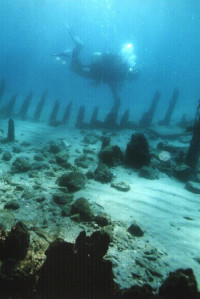
[/vc_column_text][/vc_column_inner][/vc_row_inner][mk_divider thickness=”1″ margin_top=”0″][vc_row_inner][vc_column_inner][vc_column_text]Welcome to泭The Ancient Near East Today泭Volume IV, No. 1!泭In this issue we travel from Iraq to Egypt, with a dive off the coast of Israel.

We begin with Ehud Galili and Sarah Arenson, who look at the challenges of managing Israel���s underwater archaeological resources. Next, Helen Malko describes an important project to document Mesopotamian monuments, from ancient sites to early modern buildings. From our sibling publication,泭Near Eastern Archaeology, we���re pleased to present a version of Renate M羹ller-Wollermann���s discussion of crime and punishment in ancient Egypt.

We���re also pleased to highlight a video of Susan Alcock���s important plenary talk from ASOR���s 2015 Annual Meeting, and scholarship reports from ASOR-supported students.

As always, we encourage you to send泭The Ancient Near East Today泭articles to family and friends, post links to Facebook and Twitter, and泭to be in touch with the editor. Remember, being a泭泭is free, so please spread the news![/vc_column_text][mk_divider thickness=”1″ margin_top=”0″][/vc_column_inner][/vc_row_inner][vc_row_inner][vc_column_inner][vc_column_text]

Israel���s Marine Archaeology Treasures ��� An Endangered Cultural Resource

By: Ehud Galili and Sarah Arenson

The Maritime cultural heritage of Israel is an integral part of human history, from the Neolithic revolution to the first Empires as well as the foundation of monotheistic religions. Responsibly preserving that heritage is an immense challenge.

READ MORE
[/vc_column_text][mk_divider thickness=”1″ margin_top=”10″][/vc_column_inner][/vc_row_inner][vc_row_inner][vc_column_inner][vc_column_text]

Preserving the Past: the Mapping Mesopotamian Monuments Project

By: Helen Malko

Since the appearance of the so-called Islamic State or泭Daesh泭in Syria and Iraq, the world has been faced with a vicious attack on cultural heritage aimed at erasing the rich and diverse history of the people in this region.

READ MORE
[/vc_column_text][mk_divider thickness=”1″ margin_top=”10″][/vc_column_inner][/vc_row_inner][vc_row_inner][vc_column_inner][vc_column_text]

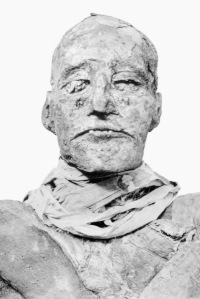
Crime and Punishment in Pharaonic Egypt

By: Renate M羹ller-Wollermann

In ancient Egypt crimes are acts against other persons or the state. Punishments are official, not private sanctions against persons who committed crimes. The term for ���crime��� is泭bt3. A capital crime is泭bt3 ���3泭(n mwt), ���great crime��� (worthy of death). Egyptian sources for crimes and punishments are extremely diverse but are primarily texts such as royal decrees.

READ MORE
[/vc_column_text][mk_divider thickness=”1″ margin_top=”10″][/vc_column_inner][/vc_row_inner][vc_row_inner][vc_column_inner][vc_column_text]The Ancient Near East Today泭features contributions from diverse academics, a forum featuring debates of current developments from the field, and links to news and resources. The ANE Today泭covers the entire Near East, and each issue presents discussions ranging from the state of biblical archaeology to archaeology after the Arab Spring.

[/vc_column_text][mk_divider thickness=”1″ margin_top=”10″][/vc_column_inner][/vc_row_inner][/vc_column][/vc_row]

ANE TODAY VOL IV n02 (2016)

[vc_row fullwidth=”true” css=”.vc_custom_1486761987223{padding-top: 0px !important;padding-right: 0px !important;padding-bottom: 0px !important;padding-left: 0px !important;}”][vc_column][vc_single_image image=”33901″ img_size=”full”][/vc_column][/vc_row][vc_row fullwidth=”true” css=”.vc_custom_1487275830783{padding-top: 10px !important;padding-right: 0px !important;padding-bottom: 0px !important;padding-left: 0px !important;}”][vc_column width=”1/12″ css=”.vc_custom_1493002455400{margin-right: 10px !important;}” offset=”vc_hidden-md vc_hidden-sm vc_hidden-xs”][vc_column_text]

泭釦晨插賊楚

[/vc_column_text][mk_image src=”http://www.asortest.org/wp-content/uploads/2017/01/social-fb-icon4.jpg” image_width=”42″ image_height=”42″ hover=”false” custom_url=”https://www.facebook.com/ASOResearch/” margin_bottom=”0″][mk_image src=”http://www.asortest.org/wp-content/uploads/2017/01/social-tw-icon4.jpg” image_width=”42″ image_height=”42″ hover=”false” custom_url=”https://twitter.com/ASOResearch?ref_src=twsrc%5Egoogle%7Ctwcamp%5Eserp%7Ctwgr%5Eauthor” margin_bottom=”0″][mk_image src=”http://www.asortest.org/wp-content/uploads/2017/01/social-in-icon4.jpg” image_width=”42″ image_height=”42″ hover=”false” custom_url=”https://www.linkedin.com/company/american-schools-of-oriental-research” margin_bottom=”0″][mk_image src=”http://www.asortest.org/wp-content/uploads/2017/01/social-ml-icon_7.jpg” image_width=”42″ image_height=”42″ hover=”false” custom_url=”mailto:asor@bu.edu” margin_bottom=”0″][mk_image src=”http://www.asortest.org/wp-content/uploads/2017/01/blog-icon3.jpg” image_width=”42″ image_height=”42″ hover=”false” custom_url=”http://asorblog.org/” margin_bottom=”0″][/vc_column][vc_column border_color=”rgba(255,255,255,0.01)” width=”1/6″ css=”.vc_custom_1493004112151{margin-right: 20px !important;border-left-width: 2px !important;padding-right: 20px !important;padding-left: 20px !important;border-left-color: #99422f !important;}”][mk_divider divider_color=”rgba(255,255,255,0.01)” thickness=”1″ margin_top=”3″ margin_bottom=”3″][vc_widget_sidebar sidebar_id=”sidebar-16″ el_class=”.widget { overflow: hidden; margin-bottom: 0; }”][/vc_column][vc_column border_color=”rgba(170,170,170,0.01)” width=”8/12″ css=”.vc_custom_1487276122024{margin-right: 10px !important;margin-bottom: 30px !important;border-right-width: 2px !important;border-bottom-width: 2px !important;padding-top: 30px !important;padding-right: 30px !important;padding-left: 20px !important;background-color: #ffffff !important;border-right-color: rgba(227,228,228,0.75) !important;border-bottom-color: rgba(227,228,228,0.75) !important;}”][vc_row_inner][vc_column_inner width=”1/3″ css=”.vc_custom_1515087305797{padding-right: 20px !important;}”][mk_image src=”http://www.asor.org/wp-content/uploads/2017/12/foa-reduced-100.png” image_width=”190″ image_height=”100″ crop=”false” hover=”false”][/vc_column_inner][vc_column_inner width=”2/3″][vc_column_text responsive_align=”left”]

February 2016

Vol. 4, No. 2
[/vc_column_text][/vc_column_inner][/vc_row_inner][mk_divider thickness=”1″ margin_top=”0″][vc_row_inner][vc_column_inner][vc_column_text]Welcome to泭The Ancient Near East Today泭Vol. IV, No. 2!泭In this issue we take you from the topic of head injuries in ancient Mesopotamia, to Egyptian archaeology, and to the imaginary worlds of virtual reality and fake inscriptions.

We begin with Ed Greenstein���s post-mortem for the much-discussed Jehoash tablet. Next, Arkadiusz So��tysiak discusses the intriguing pattern of head injuries and warfare in ancient Mesopotamia. That���s followed by a revealing interview with leading Egyptian archaeologist Zahi Hawass. Peter Herdrich then describes the new Nimrud Rising project, which recreates the site using virtual reality. Finally, we present links to the latest 17勛圖fellowship reports, podcasts, and videos from the Protecting Our Shared History in Syria Summit.

As always, we encourage you to send泭The Ancient Near East Today泭articles to family and friends, post links to Facebook and Twitter, and泭to be in touch with the editor. Remember, being a泭泭is free, so please spread the news![/vc_column_text][mk_divider thickness=”1″ margin_top=”0″][/vc_column_inner][/vc_row_inner][vc_row_inner][vc_column_inner][vc_column_text]

The So-Called Jehoash Inscription: A Post Mortem

By: Ed Greenstein

Three millennia of documented history of Sumer, Akkad, Babylonia and Assyria are dominated by the accounts of war, and violence seems to have been present in the everyday life of all Mesopotamians. What do the bodies of ancient Mesopotamians tell us about this violence?

READ MORE
[/vc_column_text][mk_divider thickness=”1″ margin_top=”10″][/vc_column_inner][/vc_row_inner][vc_row_inner][vc_column_inner][vc_column_text]

Head Injuries in Ancient Mesopotamia: What do we Really Know?

By: Arkadiusz So��tysiak

Three millennia of documented history of Sumer, Akkad, Babylonia and Assyria are dominated by the accounts of war, and violence seems to have been present in the everyday life of all Mesopotamians.

READ MORE
[/vc_column_text][mk_divider thickness=”1″ margin_top=”10″][/vc_column_inner][/vc_row_inner][vc_row_inner][vc_column_inner][vc_column_text]

Interview with Zahi Hawass

By: Alex Joffe

Few individuals are so closely identified with Egypt ��� and ancient Egypt ��� as Zahi Hawass. Formerly Minister of State for Antiquities, Hawass has been Chief Inspector and Director of the Giza Plateau, Secretary General of the Supreme Council of Antiquities, and has excavated at numerous sites throughout Egypt.

READ MORE
[/vc_column_text][mk_divider thickness=”1″ margin_top=”10″][/vc_column_inner][/vc_row_inner][vc_row_inner][vc_column_inner][vc_column_text]

Nimrud Rising: An Immersive Virtual Reality Recreation of a Lost Site

By: Peter Herdrich

In March, 2015, reports from the Iraqi Ministry of Tourism and Antiquities confirmed that agents of the Islamic State in Iraq and Syria (ISIS) had attacked the ancient Assyrian capital city of Nimrud in northeastern Iraq, just eighteen miles southeast of Mosul.

READ MORE
[/vc_column_text][mk_divider thickness=”1″ margin_top=”10″][/vc_column_inner][/vc_row_inner][vc_row_inner][vc_column_inner][vc_column_text]The Ancient Near East Today泭features contributions from diverse academics, a forum featuring debates of current developments from the field, and links to news and resources. The ANE Today泭covers the entire Near East, and each issue presents discussions ranging from the state of biblical archaeology to archaeology after the Arab Spring.

[/vc_column_text][mk_divider thickness=”1″ margin_top=”10″][/vc_column_inner][/vc_row_inner][/vc_column][/vc_row]

ANE TODAY VOL IV n03 (2016)

[vc_row fullwidth=”true” css=”.vc_custom_1486761987223{padding-top: 0px !important;padding-right: 0px !important;padding-bottom: 0px !important;padding-left: 0px !important;}”][vc_column][vc_single_image image=”33901″ img_size=”full”][/vc_column][/vc_row][vc_row fullwidth=”true” css=”.vc_custom_1487275830783{padding-top: 10px !important;padding-right: 0px !important;padding-bottom: 0px !important;padding-left: 0px !important;}”][vc_column width=”1/12″ css=”.vc_custom_1493002455400{margin-right: 10px !important;}” offset=”vc_hidden-md vc_hidden-sm vc_hidden-xs”][vc_column_text]

泭釦晨插賊楚

[/vc_column_text][mk_image src=”http://www.asortest.org/wp-content/uploads/2017/01/social-fb-icon4.jpg” image_width=”42″ image_height=”42″ hover=”false” custom_url=”https://www.facebook.com/ASOResearch/” margin_bottom=”0″][mk_image src=”http://www.asortest.org/wp-content/uploads/2017/01/social-tw-icon4.jpg” image_width=”42″ image_height=”42″ hover=”false” custom_url=”https://twitter.com/ASOResearch?ref_src=twsrc%5Egoogle%7Ctwcamp%5Eserp%7Ctwgr%5Eauthor” margin_bottom=”0″][mk_image src=”http://www.asortest.org/wp-content/uploads/2017/01/social-in-icon4.jpg” image_width=”42″ image_height=”42″ hover=”false” custom_url=”https://www.linkedin.com/company/american-schools-of-oriental-research” margin_bottom=”0″][mk_image src=”http://www.asortest.org/wp-content/uploads/2017/01/social-ml-icon_7.jpg” image_width=”42″ image_height=”42″ hover=”false” custom_url=”mailto:asor@bu.edu” margin_bottom=”0″][mk_image src=”http://www.asortest.org/wp-content/uploads/2017/01/blog-icon3.jpg” image_width=”42″ image_height=”42″ hover=”false” custom_url=”http://asorblog.org/” margin_bottom=”0″][/vc_column][vc_column border_color=”rgba(255,255,255,0.01)” width=”1/6″ css=”.vc_custom_1493004112151{margin-right: 20px !important;border-left-width: 2px !important;padding-right: 20px !important;padding-left: 20px !important;border-left-color: #99422f !important;}”][mk_divider divider_color=”rgba(255,255,255,0.01)” thickness=”1″ margin_top=”3″ margin_bottom=”3″][vc_widget_sidebar sidebar_id=”sidebar-16″ el_class=”.widget { overflow: hidden; margin-bottom: 0; }”][/vc_column][vc_column border_color=”rgba(170,170,170,0.01)” width=”8/12″ css=”.vc_custom_1487276122024{margin-right: 10px !important;margin-bottom: 30px !important;border-right-width: 2px !important;border-bottom-width: 2px !important;padding-top: 30px !important;padding-right: 30px !important;padding-left: 20px !important;background-color: #ffffff !important;border-right-color: rgba(227,228,228,0.75) !important;border-bottom-color: rgba(227,228,228,0.75) !important;}”][vc_row_inner][vc_column_inner width=”1/3″ css=”.vc_custom_1515087305797{padding-right: 20px !important;}”][mk_image src=”http://www.asor.org/wp-content/uploads/2017/12/foa-reduced-100.png” image_width=”190″ image_height=”100″ crop=”false” hover=”false”][/vc_column_inner][vc_column_inner width=”2/3″][vc_column_text responsive_align=”left”]

March 2016

Vol. 4, No. 3
[/vc_column_text][/vc_column_inner][/vc_row_inner][mk_divider thickness=”1″ margin_top=”0″][vc_row_inner][vc_column_inner][vc_column_text]Welcome to泭The Ancient Near East Today泭Vol. IV, No. 3!泭In this issue, we go from the names of the Biblical period to the plains of southern Turkey, with stops to consider Mesopotamian prayers and the history of Biblical Archaeology.

We begin with Mitka Golub���s consideration of Biblical names while Eric Meyers takes a look at famed Israeli archaeologist Yigal Yadin���s final visit to America. From there, Alan Lenzi discusses the nature of Akkadian prayers, and Minna Silver introduces us to the enormous site of Harran in Turkey. We���re also pleased to have two podcasts, with Robert Kawashima and Kerry Muhlestein, on crime, punishment, and violence in the ancient Near East. Finally, we present links to the latest 17勛圖fellowship and泭Cultural Heritage Initiative reports.

As always, we encourage you to send泭The Ancient Near East Today泭articles to family and friends, post links to Facebook and Twitter, and泭to be in touch with the editor. Remember, being a泭泭is free, so please spread the news![/vc_column_text][mk_divider thickness=”1″ margin_top=”0″][/vc_column_inner][/vc_row_inner][vc_row_inner][vc_column_inner][vc_column_text]

Unearthing the Past at Ancient Harran and the Wells of Paddan-Aram

By Minna Silver

Many know Harran from the biblical story of Abraham and his family���s wanderings. Today the huge tell of Harran, the mound of the ancient city, measures over one kilometre across and is surrounded by ancient walls.

READ MORE
[/vc_column_text][mk_divider thickness=”1″ margin_top=”10″][/vc_column_inner][/vc_row_inner][vc_row_inner][vc_column_inner][vc_column_text]

Akkadian Prayers in Ancient Mesopotamia

By Alan Lenzi

Prayer is ubiquitous in human societies, including ancient Mesopotamia, but it often appears alien or distant to our modern sensibilities. A closer look shows that this seemingly arcane topic tells us much about Mesopotamian hopes, fears, rituals, and history, sometimes in deeply human ways.

READ MORE
[/vc_column_text][mk_divider thickness=”1″ margin_top=”10″][/vc_column_inner][/vc_row_inner][vc_row_inner][vc_column_inner][vc_column_text]

What names teach us about Iron II society in the Land of Israel

By Mitka Golub

Names send messages about identity. Today, many African-Americans have first names that are totally different from those of white Americans. But until the early 1970s there was a great similarity between the two communities. Scholars who studied this phenomenon.

READ MORE
[/vc_column_text][mk_divider thickness=”1″ margin_top=”10″][/vc_column_inner][/vc_row_inner][vc_row_inner][vc_column_inner][vc_column_text]

Yigael Yadin���s Last Night in America: 17勛圖and the Biblical Archaeology Movement

By Eric M. Meyers

In light of the sharp decline in enrollments in the humanities in colleges and universities in the United States and abroad, I thought it might be helpful to share a story about Yigael Yadin���s last day in America, the day before he died.

READ MORE
[/vc_column_text][mk_divider thickness=”1″ margin_top=”10″][/vc_column_inner][/vc_row_inner][vc_row_inner][vc_column_inner][vc_column_text]The Ancient Near East Today泭features contributions from diverse academics, a forum featuring debates of current developments from the field, and links to news and resources. The ANE Today泭covers the entire Near East, and each issue presents discussions ranging from the state of biblical archaeology to archaeology after the Arab Spring.

[/vc_column_text][mk_divider thickness=”1″ margin_top=”10″][/vc_column_inner][/vc_row_inner][/vc_column][/vc_row]