ANE TODAY – 201703 – The Dead Sea Scrolls at Seventy

[vc_row fullwidth=”true” css=”.vc_custom_1486761987223{padding-top: 0px !important;padding-right: 0px !important;padding-bottom: 0px !important;padding-left: 0px !important;}”][vc_column][vc_single_image image=”33901″ img_size=”full”][/vc_column][/vc_row][vc_row fullwidth=”true” css=”.vc_custom_1487275830783{padding-top: 10px !important;padding-right: 0px !important;padding-bottom: 0px !important;padding-left: 0px !important;}”][vc_column width=”1/12″ css=”.vc_custom_1493002455400{margin-right: 10px !important;}” offset=”vc_hidden-md vc_hidden-sm vc_hidden-xs”][vc_column_text]

泭釦晨插賊楚

[/vc_column_text][mk_image src=”http://www.asortest.org/wp-content/uploads/2017/01/social-fb-icon4.jpg” image_width=”42″ image_height=”42″ hover=”false” custom_url=”https://www.facebook.com/ASOResearch/” margin_bottom=”0″][mk_image src=”http://www.asortest.org/wp-content/uploads/2017/01/social-tw-icon4.jpg” image_width=”42″ image_height=”42″ hover=”false” custom_url=”https://twitter.com/ASOResearch?ref_src=twsrc%5Egoogle%7Ctwcamp%5Eserp%7Ctwgr%5Eauthor” margin_bottom=”0″][mk_image src=”http://www.asortest.org/wp-content/uploads/2017/01/social-in-icon4.jpg” image_width=”42″ image_height=”42″ hover=”false” custom_url=”https://www.linkedin.com/company/american-schools-of-oriental-research” margin_bottom=”0″][mk_image src=”http://www.asortest.org/wp-content/uploads/2017/01/social-ml-icon_7.jpg” image_width=”42″ image_height=”42″ hover=”false” custom_url=”mailto:asor@bu.edu” margin_bottom=”0″][mk_image src=”http://www.asortest.org/wp-content/uploads/2017/01/blog-icon3.jpg” image_width=”42″ image_height=”42″ hover=”false” custom_url=”http://asorblog.org/” margin_bottom=”0″][/vc_column][vc_column border_color=”rgba(255,255,255,0.01)” width=”1/6″ css=”.vc_custom_1493004112151{margin-right: 20px !important;border-left-width: 2px !important;padding-right: 20px !important;padding-left: 20px !important;border-left-color: #99422f !important;}”][mk_divider divider_color=”rgba(255,255,255,0.01)” thickness=”1″ margin_top=”3″ margin_bottom=”3″][vc_widget_sidebar sidebar_id=”sidebar-16″ el_class=”.widget { overflow: hidden; margin-bottom: 0; }”][/vc_column][vc_column border_color=”rgba(170,170,170,0.01)” width=”8/12″ css=”.vc_custom_1487276122024{margin-right: 10px !important;margin-bottom: 30px !important;border-right-width: 2px !important;border-bottom-width: 2px !important;padding-top: 30px !important;padding-right: 30px !important;padding-left: 20px !important;background-color: #ffffff !important;border-right-color: rgba(227,228,228,0.75) !important;border-bottom-color: rgba(227,228,228,0.75) !important;}”][vc_row_inner][vc_column_inner width=”1/3″ css=”.vc_custom_1515089133751{padding-right: 20px !important;}”][mk_image src=”http://www.asor.org/wp-content/uploads/2017/12/foa-reduced-100.png” image_width=”190″ image_height=”100″ crop=”false” hover=”false”][/vc_column_inner][vc_column_inner width=”2/3″][vc_column_text responsive_align=”left”]

March 2017

Vol. 5, No. 3
[/vc_column_text][/vc_column_inner][/vc_row_inner][mk_divider thickness=”1″ margin_top=”10″][vc_row_inner][vc_column_inner][vc_column_text]

The Dead Sea Scrolls at Seventy

詁聆泭Timothy Lim

This year marks the seventieth anniversary of the discovery of the Dead Sea Scrolls. What have we learned over the past three score and ten? First, it has become increasingly recognized that we do not have a ���library of the Essenes��� in the way that it was previously understood. Not every scroll found in the eleven caves is Essenic. There are scrolls that reflect the views of one or more Jewish sects or schools, most likely associated with the Essenes, but the corpus of 800-900 scrolls known as ���the Dead Sea Scrolls��� constitute a heterogeneous collection of manuscripts. Within it are texts that belong to Judaism generally in the late Second Temple period, such as the biblical Dead Sea Scrolls. In the past, scholars have marginalized these biblical scrolls, but there is no evidence that they are sectarian biblical scrolls.

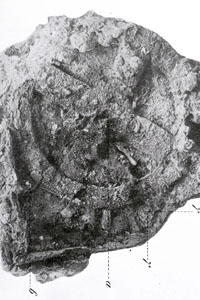
Cave 4Q at Qumran. (Wikimedia Commons)


Aerial view of the Qumran community. (The Orion Center)


Second, the consensus of the Maccabean theory that reigned supreme in the first generation of scrolls scholarship has given way to a different kind of Essene hypothesis, resulting from a reconsideration of the archaeology of Khirbet Qumran and the literary analysis of the different versions of the Rule of the Community from Caves 1 and 4 (1QS and 4QS). A reconsideration of the ���communal phase��� and the different periods within it by Jodi Magness, and more recently Dennis Mizzi, has led to a re-dating of the origins of the sect to the beginning of the first, rather than the middle of second, century BCE.

One view that has particular merit is what I have described as ���the multiple communities theory���. In the past, it was said that there were at least two different orders of the Essenes: the largely male-oriented, and maybe celibate, community of the Yahad at Qumran, and the married, family-oriented community of the Damascus Document (Josephus, BJ 2.120, 160).

John J. Collins moves the view forward by arguing that there are many more Essene communities. The description by Philo and Josephus of some 4000 Essenes living throughout Judaea is consistent with this view. There is not one, monolithic community of Essenes living at Qumran, but several chapters that flourished at the same time throughout Judaea. Collins anchors his theory on the interpretation of the clause of 1QS 6.3, ���in every place where there are ten men of the council of the community���, as referring to multiple communities. More specifically, ���of the council of the community��� should be understood in the partitive, rather than locative, sense. Multiple Essene communities were dispersed in different settlements at the same time throughout Judaea, and not just at Qumran. For him, this explains why different editions of Serekh ha-yahad or Rule of the Community continued to be copied, and why the more primitive form (in the literary and halakhic sense) of 4QSd was not superseded by the more developed version of 1QS.

Living quarters at Qumran. (Wikimedia Commons)


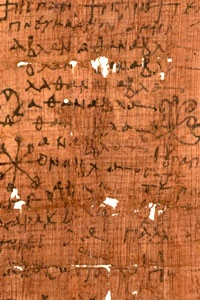
The Damascus Document (Wikimedia Commons)


Third, the sectarians did not have a developed understanding of ���canon���, but they did have the concept of ���authoritative scriptures���. I have characterized the sectarian view of authoritative scriptures as a dual pattern of authority and gradation of authority. They had a broadly bipartite collection of the Pentateuch and an undefined collection of books of the prophets. These traditional scriptures were interpreted and supplemented by other non-biblical but nonetheless authoritative scriptures, such as the book of Jubilees and the pesharim.

Fourth, the religious ideas of the sectarian communities were drawn from what I have called the ���sectarian matrix��� of ancient Judaism. The sectarian communities reflected in the Dead Sea Scrolls are not to be identified with the earliest followers of Jesus and the early church. However, the use of so many of the same or similar terminology and ideas in their writings suggests a connection between them that is difficult to deny. The identification of the Essene Gate and quarter in Jerusalem is consistent with the view that the communities likely interacted with one another.

The theory of the sectarian matrix posits that the Essenes and the followers of Jesus came upon the same biblical texts and distinctive ideas, but drew different lessons from them. These ideas were absent or ignored in Judaism of the period. For instance, the sectarians and early church were the only ones to have used the concept of ���the new covenant��� from the prophecy of Jeremiah. Other Jews did not comment on ���the new covenant��� nor did they use it in their writings. The sectarians of the scrolls, Paul and other Christian authors of the New Testament drew on this religiously significant notion of a new covenant in the prophetic writing, but they understood ���newness��� differently. The covenanters took newness to be a renewal of the old covenant, whereas Paul and the author of the epistle to the Hebrews saw in the Jeremianic prophecy a new dispensation in the life and death of Jesus. The sectarian matrix is a subset of ancient Judaism with distinctive and overlapping ideas. It is the well from which the Essenes, Christians and other sectarians drew their inspiration.

The Rule of the Community Scroll (Library of Congress)


The Dead Sea Scrolls have often been hailed as the greatest manuscript discovery. On this seventieth anniversary of their discovery, it is worth asking whether they warrant such a description. Why get excited over some dusty rolls and scraps of ancient Jewish writings? In what sense are they ���the greatest���? The public often understands by this sensational description something of a paradigm-shifting significance, comparable to the great scientific discoveries in history. For the scholar, however, the superlative description is much more specific. Compared to what were previously available by way of primary sources dating to the centuries around the turn of the era, the discovery of the Dead Sea Scrolls has been revolutionary. We now know so much more about the transmission of the biblical texts and other Jewish literature, sectarianism in the Second Temple period, and the Jewish background to early Christianity.

Timothy Lim is Professor of Hebrew Bible & Second Temple Judaism, and the author of The Dead Sea Scrolls. A Very Short Introduction (Oxford University Press), the second, updated edition will be published in March 2017. This piece appeared originally at the at the University of Edinburgh (New College) on 18 January 2017. It is reproduced by permission.

[/vc_column_text][/vc_column_inner][/vc_row_inner][/vc_column][/vc_row][vc_row][vc_column][vc_column_text]
[/vc_column_text][/vc_column][/vc_row]

ANE TODAY – 201704 – Hebrew as the Language behind the World���s First Alphabet?

[vc_row fullwidth=”true” css=”.vc_custom_1486761987223{padding-top: 0px !important;padding-right: 0px !important;padding-bottom: 0px !important;padding-left: 0px !important;}”][vc_column][vc_single_image image=”33901″ img_size=”full”][/vc_column][/vc_row][vc_row fullwidth=”true” css=”.vc_custom_1487275830783{padding-top: 10px !important;padding-right: 0px !important;padding-bottom: 0px !important;padding-left: 0px !important;}”][vc_column width=”1/12″ css=”.vc_custom_1493002455400{margin-right: 10px !important;}” offset=”vc_hidden-md vc_hidden-sm vc_hidden-xs”][vc_column_text]

泭釦晨插賊楚

[/vc_column_text][mk_image src=”http://www.asortest.org/wp-content/uploads/2017/01/social-fb-icon4.jpg” image_width=”42″ image_height=”42″ hover=”false” custom_url=”https://www.facebook.com/ASOResearch/” margin_bottom=”0″][mk_image src=”http://www.asortest.org/wp-content/uploads/2017/01/social-tw-icon4.jpg” image_width=”42″ image_height=”42″ hover=”false” custom_url=”https://twitter.com/ASOResearch?ref_src=twsrc%5Egoogle%7Ctwcamp%5Eserp%7Ctwgr%5Eauthor” margin_bottom=”0″][mk_image src=”http://www.asortest.org/wp-content/uploads/2017/01/social-in-icon4.jpg” image_width=”42″ image_height=”42″ hover=”false” custom_url=”https://www.linkedin.com/company/american-schools-of-oriental-research” margin_bottom=”0″][mk_image src=”http://www.asortest.org/wp-content/uploads/2017/01/social-ml-icon_7.jpg” image_width=”42″ image_height=”42″ hover=”false” custom_url=”mailto:asor@bu.edu” margin_bottom=”0″][mk_image src=”http://www.asortest.org/wp-content/uploads/2017/01/blog-icon3.jpg” image_width=”42″ image_height=”42″ hover=”false” custom_url=”http://asorblog.org/” margin_bottom=”0″][/vc_column][vc_column border_color=”rgba(255,255,255,0.01)” width=”1/6″ css=”.vc_custom_1493004112151{margin-right: 20px !important;border-left-width: 2px !important;padding-right: 20px !important;padding-left: 20px !important;border-left-color: #99422f !important;}”][mk_divider divider_color=”rgba(255,255,255,0.01)” thickness=”1″ margin_top=”3″ margin_bottom=”3″][vc_widget_sidebar sidebar_id=”sidebar-16″ el_class=”.widget { overflow: hidden; margin-bottom: 0; }”][/vc_column][vc_column border_color=”rgba(170,170,170,0.01)” width=”8/12″ css=”.vc_custom_1487276122024{margin-right: 10px !important;margin-bottom: 30px !important;border-right-width: 2px !important;border-bottom-width: 2px !important;padding-top: 30px !important;padding-right: 30px !important;padding-left: 20px !important;background-color: #ffffff !important;border-right-color: rgba(227,228,228,0.75) !important;border-bottom-color: rgba(227,228,228,0.75) !important;}”][vc_row_inner][vc_column_inner width=”1/3″ css=”.vc_custom_1515089133751{padding-right: 20px !important;}”][mk_image src=”http://www.asor.org/wp-content/uploads/2017/12/foa-reduced-100.png” image_width=”190″ image_height=”100″ crop=”false” hover=”false”][/vc_column_inner][vc_column_inner width=”2/3″][vc_column_text responsive_align=”left”]

April 2017

Vol. 5, No. 4
[/vc_column_text][/vc_column_inner][/vc_row_inner][mk_divider thickness=”1″ margin_top=”10″][vc_row_inner][vc_column_inner][vc_column_text]

Hebrew as the Language behind the World���s First Alphabet?

詁聆泭Douglas Petrovich

What is the language behind the world���s first alphabet? For over 150 years, scholars have studied the world���s first alphabetic script, the second millennium BCE Proto-Sinaitic inscriptions, found at Serabit el-Khadim in the southern reaches of the Sinai Peninsula.


Map of Egypt and the Sinai Peninsula (Courtesy of Douglas Petrovich)


While surprisingly few scholars have invested themselves into the narrow field of the proto-consonantal script, virtually all of them have agreed that this previously undeciphered script is Semitic. But which Semitic language remains unresolved.

Over 100 years ago, the great Egyptologist Sir Alan Gardiner convinced the majority of scholars that this script consisted of a number of Middle Egyptian hieroglyphs, that is alphabetic pictographs that represented consonants, using an acrophonic system. Let me illustrate how this works. If English had no script, and we were to create one for it using acrophony, we could draw a picture of a feather, so that whenever an English speaker sees it, he/she would pronounce the f sound. The pronunciation of the n letter could be made by drawing a nose, and so on.


Chart of Pro-Sinaitic signs and alphabetic letter equivalents (Courtesy of Douglas Petrovich)


If we were to draw a feather and a nose together, this would spell any word that uses a combination of those consonants in succession, such as ���fan,��� ���fin,��� or ���fun.��� The difficulty that comes with the world���s oldest alphabet is that no vowels were included, and that the text was written in continuous script, meaning that there was no break between words, and no punctuation. Thus, the sentence ���Lend me your ears!��� would have been written LNDMYRS. Only one r would appear for the r in ���your��� and the r in ���ears,��� because they refused to write the same consonant twice in succession if no differing consonant intervened.

Over recent decades, some of the letters of the original pictographic alphabet have been recognized universally as making a certain consonantal sound, such as the drawing of a house to represent the letter b, since the word for ���house��� ��� bayit – begins with b in virtually all Western Semitic languages. Other letters have remained in dispute, such as the fish-pictograph, which some scholars have identified as the letter d, and others have called the letter s.

I have come to believe that Hebrew is the language behind the proto-consonantal script. I came to this understanding by weighing the options systematically and allowing the context of various inscriptions to determine which option is correct. How I came to know that the inscriptions were written in Hebrew is completely accidental. As I was studying the archaeology of the Levant in the Iron Age, I fell into evidence for Israelite presence in Egypt during the middle of the 15th century BCE, the time when���according to biblical history���the Israelite exodus from Egypt supposedly took place.

I then followed a long archaeological trail that led to the identification of what I believe are Semitic Israelites who were living at an important site in Egypt, at the time when biblical chronology indicates that Jacob would have moved his family to Egypt (1876 BCE). This trail included the identification of several biblical figures of that generation, as inscribed on Middle Egyptian inscriptions of the 19th century BCE, which will be detailed in my second book. One of these individuals actually composed a number of inscribed stelae at Serabit el-Khadim, the site of many annual mining expeditions to extract turquoise.

At the bottom of these stelae, he often drew himself seated on a donkey, with his Egyptian attendant to the left and a Semitic child of varying heights, which changed from year to year on the stelae, to the right. Above one drawing, he inscribed his own name and official office. Above another drawing, he named the others. Above the drawing on one of the last of the stelae that he inscribed (Sinai 115), he added a mostly hieroglyphic caption that includes one Canaanite syllabic (or ���syllable���) and one proto-consonantal letter.


Sinai 115 photograph (Courtesy of Douglas Petrovich)


Sinai 115 drawing (Courtesy of Douglas Petrovich)


This is the oldest attested proto-consonantal letter in the world, dating to Year 18 of King Amenemhat III (ca. 1842 BCE). The oldest inscription completely inscribed in the proto-consonantal script (Sinai 377)���which derives from Wadi Nasb, the nearby water source for mining expeditions to Serabit���dates to only two years later. According to my reading, the caption on Sinai 115 reads, ���Six Levantines, Hebrews of Bethel, the beloved.���

This reading of Sinai 115���s caption thus confirms that the engraver whom I previously had identified as a biblical figure from the 19th century BCE is Hebrew. The reference to Bethel is not surprising, because, according to biblical history, that site was the hometown of Jacob when Joseph was taken into captivity, and when Jacob relocated his family to Egypt. Sinai 115 also moves back into time by hundreds of years the oldest attested reference to the Israelite/Hebrew people.

Of the 15 proto-consonantal inscriptions that were full enough for me to translate, five were composed during Egypt���s Middle Kingdom, while the other ten were composed during the New Kingdom. Interestingly, the Middle Kingdom inscriptions are almost completely optimistic and positive in their tone, while the New Kingdom inscriptions are almost completely pessimistic and negative in their tone. The number of original alphabetic letters is 22, which conflicts with the long-held conjecture that originally there were 27 letters, probably the result of incorrect extrapolation back from Ugaritic, a Semitic language with more than 22 consonants.

These findings are discussed in my book, (Carta: Jerusalem, 2016). According to my new readings, three of the proto-consonantal Hebrew inscriptions contain references to biblical figures: Asenath (Sinai 376), Ahisamach (Sinai 375a), and Moses (Sinai 361). Each of these names is used of only one individual in the entire Hebrew Bible, unlike more commonly used names, such as Joshua.


Sinai 375a photograph (Courtesy of Douglas Petrovich)


Sinai 375a drawing (Courtesy of Douglas Petrovich)


Sinai 361 photograph (Courtesy of Douglas Petrovich)


Sinai 361 drawing (Courtesy of Douglas Petrovich)


Asenath is the wife of Joseph (Gen 41:45), and Sinai 376 probably refers to her posthumously, since she was born over 130 years before it was composed, and because it refers to the ���house of the vineyard of Asenath��� honorifically. Ahisamach is the father of Oholiab (Exod 31:6), who was one of the two men reportedly assigned to construct the Israelite tabernacle. Sinai 375a designates Ahisamach with the office of Overseer of Minerals (?), probably signifying that he was responsible for the mineralogical work related to the acquisition of turquoise.

Moses, who needs little or no explanation, is the man attributed with having led the Israelites out of Egyptian captivity (Exodus 12). The Hebrew author of Sinai 361 complained that their bound servitude had lingered, then stated that Moses���whose name appears in the emphatic position���then provoked astonishment, and that this was a year of astonishment, due to Baalath (the female consort of the storm-god deity, and who in Egypt was identified with Hathor).

The thesis of my book challenges many longstanding theoretical constructs that have been created in the fields of biblical and ancient Near Eastern historical studies, such as the Documentary Hypothesis and its derivatives. The thesis also argues against models of Israelite origins suggesting that they migrated from Transjordan, or arose from among pastoralists already present in Canaan���s western highlands.

Despite the strong opposition that already has come against the claims in my book, I felt responsible to publish these findings, fully expecting that over the coming decades, time will prove them able to withstand the rigors of scholarly criticism.

Douglas Petrovich teaches in the history department at Wilfred Laurier University.

[/vc_column_text][/vc_column_inner][/vc_row_inner][/vc_column][/vc_row][vc_row][vc_column][vc_column_text] [/vc_column_text][/vc_column][/vc_row]

ANE TODAY VOL V n04 (2017)

[vc_row fullwidth=”true” css=”.vc_custom_1486761987223{padding-top: 0px !important;padding-right: 0px !important;padding-bottom: 0px !important;padding-left: 0px !important;}”][vc_column][vc_single_image image=”33901″ img_size=”full”][/vc_column][/vc_row][vc_row fullwidth=”true” css=”.vc_custom_1487275830783{padding-top: 10px !important;padding-right: 0px !important;padding-bottom: 0px !important;padding-left: 0px !important;}”][vc_column width=”1/12″ css=”.vc_custom_1493002455400{margin-right: 10px !important;}” offset=”vc_hidden-md vc_hidden-sm vc_hidden-xs”][vc_column_text]

泭釦晨插賊楚

[/vc_column_text][mk_image src=”http://www.asortest.org/wp-content/uploads/2017/01/social-fb-icon4.jpg” image_width=”42″ image_height=”42″ hover=”false” custom_url=”https://www.facebook.com/ASOResearch/” margin_bottom=”0″][mk_image src=”http://www.asortest.org/wp-content/uploads/2017/01/social-tw-icon4.jpg” image_width=”42″ image_height=”42″ hover=”false” custom_url=”https://twitter.com/ASOResearch?ref_src=twsrc%5Egoogle%7Ctwcamp%5Eserp%7Ctwgr%5Eauthor” margin_bottom=”0″][mk_image src=”http://www.asortest.org/wp-content/uploads/2017/01/social-in-icon4.jpg” image_width=”42″ image_height=”42″ hover=”false” custom_url=”https://www.linkedin.com/company/american-schools-of-oriental-research” margin_bottom=”0″][mk_image src=”http://www.asortest.org/wp-content/uploads/2017/01/social-ml-icon_7.jpg” image_width=”42″ image_height=”42″ hover=”false” custom_url=”mailto:asor@bu.edu” margin_bottom=”0″][mk_image src=”http://www.asortest.org/wp-content/uploads/2017/01/blog-icon3.jpg” image_width=”42″ image_height=”42″ hover=”false” custom_url=”http://asorblog.org/” margin_bottom=”0″][/vc_column][vc_column border_color=”rgba(255,255,255,0.01)” width=”1/6″ css=”.vc_custom_1493004112151{margin-right: 20px !important;border-left-width: 2px !important;padding-right: 20px !important;padding-left: 20px !important;border-left-color: #99422f !important;}”][mk_divider divider_color=”rgba(255,255,255,0.01)” thickness=”1″ margin_top=”3″ margin_bottom=”3″][vc_widget_sidebar sidebar_id=”sidebar-16″ el_class=”.widget { overflow: hidden; margin-bottom: 0; }”][/vc_column][vc_column border_color=”rgba(170,170,170,0.01)” width=”8/12″ css=”.vc_custom_1487276122024{margin-right: 10px !important;margin-bottom: 30px !important;border-right-width: 2px !important;border-bottom-width: 2px !important;padding-top: 30px !important;padding-right: 30px !important;padding-left: 20px !important;background-color: #ffffff !important;border-right-color: rgba(227,228,228,0.75) !important;border-bottom-color: rgba(227,228,228,0.75) !important;}”][vc_row_inner][vc_column_inner width=”1/3″ css=”.vc_custom_1515087305797{padding-right: 20px !important;}”][mk_image src=”http://www.asor.org/wp-content/uploads/2017/12/foa-reduced-100.png” image_width=”190″ image_height=”100″ crop=”false” hover=”false”][/vc_column_inner][vc_column_inner width=”2/3″][vc_column_text responsive_align=”left”]

April 2017

Vol. 5, No. 4
[/vc_column_text][/vc_column_inner][/vc_row_inner][mk_divider thickness=”1″ margin_top=”0″][vc_row_inner][vc_column_inner][vc_column_text]

Potent Potables of the Past: Beer and Brewing in Mesopotamia

By Tate Paulette and Michael Fisher

In ancient Mesopotamia, people knew how to appreciate a good beer. They appreciated their beer often and often in large quantities. They sang songs and wrote poetry about beer. Sometimes they got drunk and threw caution to the wind.

READ MORE
[/vc_column_text][mk_divider thickness=”1″ margin_top=”10″][/vc_column_inner][/vc_row_inner][vc_row_inner][vc_column_inner][vc_column_text]

A Response to Douglas Petrovich���s ���Hebrew as the Language behind the World���s First Alphabet?���

By Alan Millard

In his piece for ANE Today, Douglas Petrovich claims some of the thirty or so inscriptions engraved on stone monuments around the Egyptian turquoise mines at Ser璽b簾廜� el-Kh璽dim in western Sinai mention biblical figures. The following comments refer only to what he has written there.

READ MORE
[/vc_column_text][mk_divider thickness=”1″ margin_top=”10″][/vc_column_inner][/vc_row_inner][vc_row_inner][vc_column_inner][vc_column_text]

Hebrew as the Language behind the World���s First Alphabet?

By Douglas Petrovich

What is the language behind the world���s first alphabet? For over 150 years, scholars have studied the world���s first alphabetic script, the second millennium BCE Proto-Sinaitic inscriptions, found at Serabit el-Khadim in the southern reaches of the Sinai Peninsula.

READ MORE
[/vc_column_text][mk_divider thickness=”1″ margin_top=”10″][/vc_column_inner][/vc_row_inner][vc_row_inner][vc_column_inner][vc_column_text]

Rabbinic Tales of Roman Origins

By Sarit Kattan Gribetz

What stories do we tell about our own origins? What tales do we recount about the origins of others? What happens when our narratives ��� those about ourselves, and those about others ��� merge?

READ MORE
[/vc_column_text][mk_divider thickness=”1″ margin_top=”10″][/vc_column_inner][/vc_row_inner][vc_row_inner][vc_column_inner][vc_column_text]The Ancient Near East Today features contributions from diverse academics, a forum featuring debates of current developments from the field, and links to news and resources. The ANE Today covers the entire Near East, and each issue presents discussions ranging from the state of biblical archaeology to archaeology after the Arab Spring.

Take a look at the contents of this e-book!

  • Rabbinic Tales of Roman Origins
  • Hebrew as the Language behind the World’s First Alphabet?
  • A Response to “Hebrew as the Language behind the World’s First Alphabet?”
  • Potent Potable of the Past: Beer and Brewing in Mesopotamia
[/vc_column_text][mk_divider thickness=”1″ margin_top=”10″][/vc_column_inner][/vc_row_inner][/vc_column][/vc_row]

ANE TODAY VOL V n05 (2017)

[vc_row fullwidth=”true” css=”.vc_custom_1486761987223{padding-top: 0px !important;padding-right: 0px !important;padding-bottom: 0px !important;padding-left: 0px !important;}”][vc_column][vc_single_image image=”33901″ img_size=”full”][/vc_column][/vc_row][vc_row fullwidth=”true” css=”.vc_custom_1487275830783{padding-top: 10px !important;padding-right: 0px !important;padding-bottom: 0px !important;padding-left: 0px !important;}”][vc_column width=”1/12″ css=”.vc_custom_1493002455400{margin-right: 10px !important;}” offset=”vc_hidden-md vc_hidden-sm vc_hidden-xs”][vc_column_text]

泭釦晨插賊楚

[/vc_column_text][mk_image src=”http://www.asortest.org/wp-content/uploads/2017/01/social-fb-icon4.jpg” image_width=”42″ image_height=”42″ hover=”false” custom_url=”https://www.facebook.com/ASOResearch/” margin_bottom=”0″][mk_image src=”http://www.asortest.org/wp-content/uploads/2017/01/social-tw-icon4.jpg” image_width=”42″ image_height=”42″ hover=”false” custom_url=”https://twitter.com/ASOResearch?ref_src=twsrc%5Egoogle%7Ctwcamp%5Eserp%7Ctwgr%5Eauthor” margin_bottom=”0″][mk_image src=”http://www.asortest.org/wp-content/uploads/2017/01/social-in-icon4.jpg” image_width=”42″ image_height=”42″ hover=”false” custom_url=”https://www.linkedin.com/company/american-schools-of-oriental-research” margin_bottom=”0″][mk_image src=”http://www.asortest.org/wp-content/uploads/2017/01/social-ml-icon_7.jpg” image_width=”42″ image_height=”42″ hover=”false” custom_url=”mailto:asor@bu.edu” margin_bottom=”0″][mk_image src=”http://www.asortest.org/wp-content/uploads/2017/01/blog-icon3.jpg” image_width=”42″ image_height=”42″ hover=”false” custom_url=”http://asorblog.org/” margin_bottom=”0″][/vc_column][vc_column border_color=”rgba(255,255,255,0.01)” width=”1/6″ css=”.vc_custom_1493004112151{margin-right: 20px !important;border-left-width: 2px !important;padding-right: 20px !important;padding-left: 20px !important;border-left-color: #99422f !important;}”][mk_divider divider_color=”rgba(255,255,255,0.01)” thickness=”1″ margin_top=”3″ margin_bottom=”3″][vc_widget_sidebar sidebar_id=”sidebar-16″ el_class=”.widget { overflow: hidden; margin-bottom: 0; }”][/vc_column][vc_column border_color=”rgba(170,170,170,0.01)” width=”8/12″ css=”.vc_custom_1487276122024{margin-right: 10px !important;margin-bottom: 30px !important;border-right-width: 2px !important;border-bottom-width: 2px !important;padding-top: 30px !important;padding-right: 30px !important;padding-left: 20px !important;background-color: #ffffff !important;border-right-color: rgba(227,228,228,0.75) !important;border-bottom-color: rgba(227,228,228,0.75) !important;}”][vc_row_inner][vc_column_inner width=”1/3″ css=”.vc_custom_1515087305797{padding-right: 20px !important;}”][mk_image src=”http://www.asor.org/wp-content/uploads/2017/12/foa-reduced-100.png” image_width=”190″ image_height=”100″ crop=”false” hover=”false”][/vc_column_inner][vc_column_inner width=”2/3″][vc_column_text responsive_align=”left”]

May 2017

Vol. 5, No. 5
[/vc_column_text][/vc_column_inner][/vc_row_inner][mk_divider thickness=”1″ margin_top=”0″][vc_row_inner][vc_column_inner][vc_column_text]

The Gamla Excavations Final Report, The Rest of the Story

By Danny Syon

The importance of Gamla lies in that it is one of very few sites described in detail by the contemporaneous historian Flavius Josephus in connection with the First Jewish Revolt (66���73 CE), and the fact that it was never resettled after 67 CE.

READ MORE
[/vc_column_text][/vc_column_inner][/vc_row_inner][mk_divider thickness=”1″ margin_top=”10″][vc_row_inner][vc_column_inner][vc_column_text]

Israel Numismatic Report: Important Finds, Altruistic Reporting, and the Law

By David Hendin

Readers of Israeli newspapers and archaeology blogs for the last few years have seen a notable uptick in the number of coin finds reported by ���good Samaritans��� (both Israelis and tourists) and turned into the Israel Antiquities Authority (IAA), as well as some newsworthy numismatic finds at licensed excavations.

READ MORE
[/vc_column_text][mk_divider thickness=”1″ margin_top=”10″][/vc_column_inner][/vc_row_inner][vc_row_inner][vc_column_inner][vc_column_text]

Were the ancient Egyptians polite? Exploring politeness in Late Egyptian

By Kim Ridealgh

Were the ancient Egyptians polite? Before we understand politeness in an ancient culture, we must first understand ���politeness��� in the modern world. This is by no means easy; politeness is fluid, changing from person to person, culture to culture. Fundamentally politeness is a key means to maintain interpersonal relationships, through behaviour and speech.

READ MORE
[/vc_column_text][mk_divider thickness=”1″ margin_top=”10″][/vc_column_inner][/vc_row_inner][vc_row_inner][vc_column_inner][vc_column_text]

Ancient Legal Papyri Bring Lost World to Life

By Philip Esler

Everyone has heard of the ancient Jewish religious scrolls discovered at Qumran by the Dead Sea in the middle of the 20喧堯泭century. But who is aware that nearly 100 legal papyri have been found in the same region, or that they allow unparalleled access to the ancient social world of Judea and Nabatea in the period 100 BCE to 200 CE?

READ MORE
[/vc_column_text][mk_divider thickness=”1″ margin_top=”10″][/vc_column_inner][/vc_row_inner][vc_row_inner][vc_column_inner][vc_column_text]

Why 1 and 2 Kings?

By Lester Grabbe

Why were the books of 1 and 2 Kings written? Some would affirm that they are meant to be a history of Israel in the time of the kings. Indeed, some even combine their information with that in 1 and 2 Chronicles, although the latter books are almost universally acknowledged to be centuries later. Yet the Hebrew Bible is not a history book; it is a book of religion.

READ MORE
[/vc_column_text][mk_divider thickness=”1″ margin_top=”10″][/vc_column_inner][/vc_row_inner][vc_row_inner][vc_column_inner][vc_column_text]The Ancient Near East Today features contributions from diverse academics, a forum featuring debates of current developments from the field, and links to news and resources. The ANE Today covers the entire Near East, and each issue presents discussions ranging from the state of biblical archaeology to archaeology after the Arab Spring.

Take a look at the contents of this e-book!

  • Ancient Legal Papyri Bring Lost World to Life
  • Were the ancient Egyptians polite? Exploring politeness in Late Egyptian
  • Israel Numismatic Report: Important Finds, Altruistic Reporting, and the Law
  • The Gamla Excavations Final Report, The Rest of the Story
[/vc_column_text][mk_divider thickness=”1″ margin_top=”10″][/vc_column_inner][/vc_row_inner][/vc_column][/vc_row]

ANE TODAY VOL V n06 (2017)

[vc_row fullwidth=”true” css=”.vc_custom_1486761987223{padding-top: 0px !important;padding-right: 0px !important;padding-bottom: 0px !important;padding-left: 0px !important;}”][vc_column][vc_single_image image=”33901″ img_size=”full”][/vc_column][/vc_row][vc_row fullwidth=”true” css=”.vc_custom_1487275830783{padding-top: 10px !important;padding-right: 0px !important;padding-bottom: 0px !important;padding-left: 0px !important;}”][vc_column width=”1/12″ css=”.vc_custom_1493002455400{margin-right: 10px !important;}” offset=”vc_hidden-md vc_hidden-sm vc_hidden-xs”][vc_column_text]

泭釦晨插賊楚

[/vc_column_text][mk_image src=”http://www.asortest.org/wp-content/uploads/2017/01/social-fb-icon4.jpg” image_width=”42″ image_height=”42″ hover=”false” custom_url=”https://www.facebook.com/ASOResearch/” margin_bottom=”0″][mk_image src=”http://www.asortest.org/wp-content/uploads/2017/01/social-tw-icon4.jpg” image_width=”42″ image_height=”42″ hover=”false” custom_url=”https://twitter.com/ASOResearch?ref_src=twsrc%5Egoogle%7Ctwcamp%5Eserp%7Ctwgr%5Eauthor” margin_bottom=”0″][mk_image src=”http://www.asortest.org/wp-content/uploads/2017/01/social-in-icon4.jpg” image_width=”42″ image_height=”42″ hover=”false” custom_url=”https://www.linkedin.com/company/american-schools-of-oriental-research” margin_bottom=”0″][mk_image src=”http://www.asortest.org/wp-content/uploads/2017/01/social-ml-icon_7.jpg” image_width=”42″ image_height=”42″ hover=”false” custom_url=”mailto:asor@bu.edu” margin_bottom=”0″][mk_image src=”http://www.asortest.org/wp-content/uploads/2017/01/blog-icon3.jpg” image_width=”42″ image_height=”42″ hover=”false” custom_url=”http://asorblog.org/” margin_bottom=”0″][/vc_column][vc_column border_color=”rgba(255,255,255,0.01)” width=”1/6″ css=”.vc_custom_1493004112151{margin-right: 20px !important;border-left-width: 2px !important;padding-right: 20px !important;padding-left: 20px !important;border-left-color: #99422f !important;}”][mk_divider divider_color=”rgba(255,255,255,0.01)” thickness=”1″ margin_top=”3″ margin_bottom=”3″][vc_widget_sidebar sidebar_id=”sidebar-16″ el_class=”.widget { overflow: hidden; margin-bottom: 0; }”][/vc_column][vc_column border_color=”rgba(170,170,170,0.01)” width=”8/12″ css=”.vc_custom_1487276122024{margin-right: 10px !important;margin-bottom: 30px !important;border-right-width: 2px !important;border-bottom-width: 2px !important;padding-top: 30px !important;padding-right: 30px !important;padding-left: 20px !important;background-color: #ffffff !important;border-right-color: rgba(227,228,228,0.75) !important;border-bottom-color: rgba(227,228,228,0.75) !important;}”][vc_row_inner][vc_column_inner width=”1/3″ css=”.vc_custom_1515087305797{padding-right: 20px !important;}”][mk_image src=”http://www.asor.org/wp-content/uploads/2017/12/foa-reduced-100.png” image_width=”190″ image_height=”100″ crop=”false” hover=”false”][/vc_column_inner][vc_column_inner width=”2/3″][vc_column_text responsive_align=”left”]

June 2017

Vol. 5, No. 6
[/vc_column_text][/vc_column_inner][/vc_row_inner][mk_divider thickness=”1″ margin_top=”0″][vc_row_inner][vc_column_inner][vc_column_text]

The VALUE project: Video Games and Archaeology at Leiden University

By Aris Politopoulos

What do video games have to do with archaeology? The worlds of Grand Theft Auto, Super Mario Bros., or Tetris seem a far cry from anything archaeologists usually work on. But both involve imagining and visualizing worlds populated by humans.

READ MORE
[/vc_column_text][/vc_column_inner][/vc_row_inner][mk_divider thickness=”1″ margin_top=”10″][vc_row_inner][vc_column_inner][vc_column_text]

The Land before the Kingdom of Israel: Asking New Questions of Old Data

By Brendon C. Benz

Biblical traditions famously hold that ancient Israel was set apart from among the nations, representing a unique social and political entity in the ancient world. First and foremost, Israel is regarded as a monotheistic community, called to worship the God who delivered its people from Egypt.

READ MORE
[/vc_column_text][/vc_column_inner][/vc_row_inner][mk_divider thickness=”1″ margin_top=”10″][vc_row_inner][vc_column_inner][vc_column_text]

Sumerian Art and Modern Art from Gudea to Mir籀

By Pedro Azara

Artists always turn to their predecessors for inspiration. The impact of Mesopotamia on Modern Art was as significant as it was unexpected. But it was a case of artists being inspired by ���art��� that had been created thousands of years earlier and for completely different purposes.

READ MORE
[/vc_column_text][/vc_column_inner][/vc_row_inner][mk_divider thickness=”1″ margin_top=”10″][vc_row_inner][vc_column_inner][vc_column_text]

Discovering Genesis

By Iain Provan

���In the beginning God created the heavens and the earth.��� So the book of Genesis itself famously begins, by addressing three important questions: Did the universe begin? Are we living in a creation, or something else? Who created?

READ MORE
[/vc_column_text][mk_divider thickness=”1″ margin_top=”10″][/vc_column_inner][/vc_row_inner][vc_row_inner][vc_column_inner][vc_column_text]The Ancient Near East Today features contributions from diverse academics, a forum featuring debates of current developments from the field, and links to news and resources. The ANE Today covers the entire Near East, and each issue presents discussions ranging from the state of biblical archaeology to archaeology after the Arab Spring.

Take a look at the contents of this e-book!

  • Discovering Genesis
  • Sumerian Art and Modern Art from Gudea to Miro
  • The Land before the Kingdom of Israel: Asking New Questions of Old Data
  • The VALUE Project: Videogames and Archaeology at Leiden University
[/vc_column_text][mk_divider thickness=”1″ margin_top=”10″][/vc_column_inner][/vc_row_inner][/vc_column][/vc_row]

ANE TODAY VOL V n07 (2017)

[vc_row fullwidth=”true” css=”.vc_custom_1486761987223{padding-top: 0px !important;padding-right: 0px !important;padding-bottom: 0px !important;padding-left: 0px !important;}”][vc_column][vc_single_image image=”33901″ img_size=”full”][/vc_column][/vc_row][vc_row fullwidth=”true” css=”.vc_custom_1487275830783{padding-top: 10px !important;padding-right: 0px !important;padding-bottom: 0px !important;padding-left: 0px !important;}”][vc_column width=”1/12″ css=”.vc_custom_1493002455400{margin-right: 10px !important;}” offset=”vc_hidden-md vc_hidden-sm vc_hidden-xs”][vc_column_text]

泭釦晨插賊楚

[/vc_column_text][mk_image src=”http://www.asortest.org/wp-content/uploads/2017/01/social-fb-icon4.jpg” image_width=”42″ image_height=”42″ hover=”false” custom_url=”https://www.facebook.com/ASOResearch/” margin_bottom=”0″][mk_image src=”http://www.asortest.org/wp-content/uploads/2017/01/social-tw-icon4.jpg” image_width=”42″ image_height=”42″ hover=”false” custom_url=”https://twitter.com/ASOResearch?ref_src=twsrc%5Egoogle%7Ctwcamp%5Eserp%7Ctwgr%5Eauthor” margin_bottom=”0″][mk_image src=”http://www.asortest.org/wp-content/uploads/2017/01/social-in-icon4.jpg” image_width=”42″ image_height=”42″ hover=”false” custom_url=”https://www.linkedin.com/company/american-schools-of-oriental-research” margin_bottom=”0″][mk_image src=”http://www.asortest.org/wp-content/uploads/2017/01/social-ml-icon_7.jpg” image_width=”42″ image_height=”42″ hover=”false” custom_url=”mailto:asor@bu.edu” margin_bottom=”0″][mk_image src=”http://www.asortest.org/wp-content/uploads/2017/01/blog-icon3.jpg” image_width=”42″ image_height=”42″ hover=”false” custom_url=”http://asorblog.org/” margin_bottom=”0″][/vc_column][vc_column border_color=”rgba(255,255,255,0.01)” width=”1/6″ css=”.vc_custom_1493004112151{margin-right: 20px !important;border-left-width: 2px !important;padding-right: 20px !important;padding-left: 20px !important;border-left-color: #99422f !important;}”][mk_divider divider_color=”rgba(255,255,255,0.01)” thickness=”1″ margin_top=”3″ margin_bottom=”3″][vc_widget_sidebar sidebar_id=”sidebar-16″ el_class=”.widget { overflow: hidden; margin-bottom: 0; }”][/vc_column][vc_column border_color=”rgba(170,170,170,0.01)” width=”8/12″ css=”.vc_custom_1487276122024{margin-right: 10px !important;margin-bottom: 30px !important;border-right-width: 2px !important;border-bottom-width: 2px !important;padding-top: 30px !important;padding-right: 30px !important;padding-left: 20px !important;background-color: #ffffff !important;border-right-color: rgba(227,228,228,0.75) !important;border-bottom-color: rgba(227,228,228,0.75) !important;}”][vc_row_inner][vc_column_inner width=”1/3″ css=”.vc_custom_1515087305797{padding-right: 20px !important;}”][mk_image src=”http://www.asor.org/wp-content/uploads/2017/12/foa-reduced-100.png” image_width=”190″ image_height=”100″ crop=”false” hover=”false”][/vc_column_inner][vc_column_inner width=”2/3″][vc_column_text responsive_align=”left”]

July 2017

Vol. 5, No. 7
[/vc_column_text][/vc_column_inner][/vc_row_inner][mk_divider thickness=”1″ margin_top=”0″][vc_row_inner][vc_column_inner][vc_column_text]

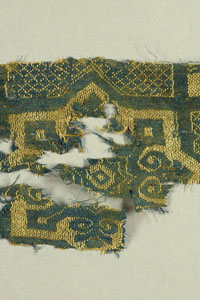
Silk Textiles in the Southern Levant

By Orit Shamir and Alisa Baginski

Silk, natural protein fibers produced by insect larvae, is first known from archaeology in China by the fourth millennium BCE. Valued for its drape, sheen, and ability to be dyed and woven into intricate patterns, silk spread widely across the Old World.

READ MORE
[/vc_column_text][/vc_column_inner][/vc_row_inner][mk_divider thickness=”1″ margin_top=”10″][vc_row_inner][vc_column_inner][vc_column_text]

G繹bekli Tepe: Neolithic Gathering and Feasting at the Beginning of Food Production

By Jens Notroff & Oliver Dietrich

A few kilometres northeast of modern ��anl覺urfa in south-eastern Turkey, the tell of G繹bekli Tepe is situated on the highest point of the otherwise barren Germu�� mountain range. Rising 15 metres and with an area of about 9 hectares.

READ MORE
[/vc_column_text][/vc_column_inner][/vc_row_inner][mk_divider thickness=”1″ margin_top=”10″][vc_row_inner][vc_column_inner][vc_column_text]

The Big Bad Wolves of the Ancient Near East Speak: Royal Apologetic in Context

By Andrew Knapp

There are two sides to every story���even when the public comes together to cry foul against a certain party. Take the story of the three little pigs. Every child knows that the pigs are innocent victims of the ruthless and insatiable big bad wolf. But the villain also has a tale to tell. Ancient Near Eastern kings felt the same way.

READ MORE
[/vc_column_text][/vc_column_inner][/vc_row_inner][mk_divider thickness=”1″ margin_top=”10″][vc_row_inner][vc_column_inner][vc_column_text]

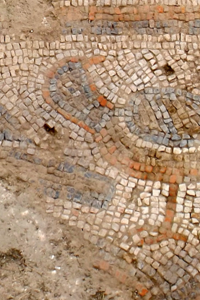
San Miceli in Sicily: Excavation of an early Christian Basilica and Village

By Randall W. Younker and ��lisabeth Lesnes

For decades Andrews University has undertaken long-term research projects in Jordan, at Hesban and elsewhere. But new challenges are necessary. So we decided to trade falafels for pasta and launched a new project in the town of Salemi in the province of Trapani in the northwestern ���corner��� of Sicily.

READ MORE
[/vc_column_text][mk_divider thickness=”1″ margin_top=”10″][/vc_column_inner][/vc_row_inner][vc_row_inner][vc_column_inner][vc_column_text]The Ancient Near East Today features contributions from diverse academics, a forum featuring debates of current developments from the field, and links to news and resources. The ANE Today covers the entire Near East, and each issue presents discussions ranging from the state of biblical archaeology to archaeology after the Arab Spring.

Take a look at the contents of this e-book!

  • San Miceli in Sicily: Excavation of an early Christian Basilica and Village
  • The Big Bad Wolves of the Ancient Near East Speak: Royal Apologetic in Context
  • G繹bekli Tepe: Neolithic Gathering and Feasting at the Beginning of Food Production
  • Silk Textiles in the Southern Levant
[/vc_column_text][mk_divider thickness=”1″ margin_top=”10″][/vc_column_inner][/vc_row_inner][/vc_column][/vc_row]

ANE TODAY VOL V n08 (2017)

[vc_row fullwidth=”true” css=”.vc_custom_1486761987223{padding-top: 0px !important;padding-right: 0px !important;padding-bottom: 0px !important;padding-left: 0px !important;}”][vc_column][vc_single_image image=”33901″ img_size=”full”][/vc_column][/vc_row][vc_row fullwidth=”true” css=”.vc_custom_1487275830783{padding-top: 10px !important;padding-right: 0px !important;padding-bottom: 0px !important;padding-left: 0px !important;}”][vc_column width=”1/12″ css=”.vc_custom_1493002455400{margin-right: 10px !important;}” offset=”vc_hidden-md vc_hidden-sm vc_hidden-xs”][vc_column_text]

泭釦晨插賊楚

[/vc_column_text][mk_image src=”http://www.asortest.org/wp-content/uploads/2017/01/social-fb-icon4.jpg” image_width=”42″ image_height=”42″ hover=”false” custom_url=”https://www.facebook.com/ASOResearch/” margin_bottom=”0″][mk_image src=”http://www.asortest.org/wp-content/uploads/2017/01/social-tw-icon4.jpg” image_width=”42″ image_height=”42″ hover=”false” custom_url=”https://twitter.com/ASOResearch?ref_src=twsrc%5Egoogle%7Ctwcamp%5Eserp%7Ctwgr%5Eauthor” margin_bottom=”0″][mk_image src=”http://www.asortest.org/wp-content/uploads/2017/01/social-in-icon4.jpg” image_width=”42″ image_height=”42″ hover=”false” custom_url=”https://www.linkedin.com/company/american-schools-of-oriental-research” margin_bottom=”0″][mk_image src=”http://www.asortest.org/wp-content/uploads/2017/01/social-ml-icon_7.jpg” image_width=”42″ image_height=”42″ hover=”false” custom_url=”mailto:asor@bu.edu” margin_bottom=”0″][mk_image src=”http://www.asortest.org/wp-content/uploads/2017/01/blog-icon3.jpg” image_width=”42″ image_height=”42″ hover=”false” custom_url=”http://asorblog.org/” margin_bottom=”0″][/vc_column][vc_column border_color=”rgba(255,255,255,0.01)” width=”1/6″ css=”.vc_custom_1493004112151{margin-right: 20px !important;border-left-width: 2px !important;padding-right: 20px !important;padding-left: 20px !important;border-left-color: #99422f !important;}”][mk_divider divider_color=”rgba(255,255,255,0.01)” thickness=”1″ margin_top=”3″ margin_bottom=”3″][vc_widget_sidebar sidebar_id=”sidebar-16″ el_class=”.widget { overflow: hidden; margin-bottom: 0; }”][/vc_column][vc_column border_color=”rgba(170,170,170,0.01)” width=”8/12″ css=”.vc_custom_1487276122024{margin-right: 10px !important;margin-bottom: 30px !important;border-right-width: 2px !important;border-bottom-width: 2px !important;padding-top: 30px !important;padding-right: 30px !important;padding-left: 20px !important;background-color: #ffffff !important;border-right-color: rgba(227,228,228,0.75) !important;border-bottom-color: rgba(227,228,228,0.75) !important;}”][vc_row_inner][vc_column_inner width=”1/3″ css=”.vc_custom_1515087305797{padding-right: 20px !important;}”][mk_image src=”http://www.asor.org/wp-content/uploads/2017/12/foa-reduced-100.png” image_width=”190″ image_height=”100″ crop=”false” hover=”false”][/vc_column_inner][vc_column_inner width=”2/3″][vc_column_text responsive_align=”left”]

August 2017

Vol. 5, No. 8
[/vc_column_text][/vc_column_inner][/vc_row_inner][mk_divider thickness=”1″ margin_top=”0″][vc_row_inner][vc_column_inner][vc_column_text]

The Pharaoh���s Magic ��� Imagery and Diplomacy in the Late Bronze Age

By Flora Brooke Anthony

Today we imagine Egyptian magic through the lenses of the Bible and films. But what was the ���actual��� role of ancient Egyptian magic in the royal palace when the king received foreign delegations? Imagine you are an upper class Hittite. In your own country you serve your king and live a comfortable life in a spacious estate surrounded by many exotic luxury goods.

READ MORE
[/vc_column_text][/vc_column_inner][/vc_row_inner][mk_divider thickness=”1″ margin_top=”10″][vc_row_inner][vc_column_inner][vc_column_text]

Sunlight and Shade in the First Cities ��� A Sensory Archaeology of Early Iraq

By Mary Shepperson

There are two periods of about five days each, one in the Spring and one in the Autumn, when the weather in southern Iraq is quite nice. Outside of those brief pleasant interludes, it���s either cold, windy and rainy, or roasting, windy and dusty.

READ MORE
[/vc_column_text][/vc_column_inner][/vc_row_inner][mk_divider thickness=”1″ margin_top=”10″][vc_row_inner][vc_column_inner][vc_column_text]

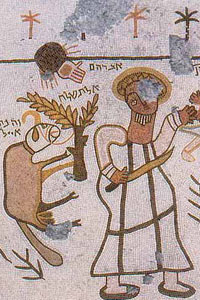
Were YHWH and Dionysus Once the Same God?

By Nissim Amzallag

If we look for a parallel deity to YHWH in ancient Greece, we think immediately of Zeus, the patron of the Greek pantheon whose representation was introduced in the Jerusalem temple in the Hellenistic period. The shared ancestry of the two has been well accepted from antiquity, for example by Josephus Flavius (Jewish Antiquities 12.22), to modern times.

READ MORE
[/vc_column_text][/vc_column_inner][/vc_row_inner][mk_divider thickness=”1″ margin_top=”10″][vc_row_inner][vc_column_inner][vc_column_text]

The Invention of Judaism. Torah and Jewish Identity from Deuteronomy to Paul

By John Collins

In the second century BCE, the Syrian king Antiochus Epiphanes issued a decree proscribing the ancestral laws of Judea. The Jerusalem temple was taken over and renamed for Zeus Olympios. People were forbidden to practice traditional Jewish customs such as circumcision on pain of death.

READ MORE
[/vc_column_text][mk_divider thickness=”1″ margin_top=”10″][/vc_column_inner][/vc_row_inner][vc_row_inner][vc_column_inner][vc_column_text]

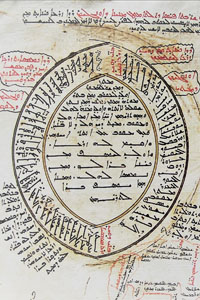
Rescuing Syriac Manuscripts in Iraq

By Amir Harrak

The so-called Islamic State invaded Mosul and the Plain of Nineveh in the north of Iraq in August 2014, destroying people, especially minorities, centuries-old religious and civil buildings, and cultural heritages, including collections of manuscripts owned privately or by institutions.

READ MORE
[/vc_column_text][mk_divider thickness=”1″ margin_top=”10″][/vc_column_inner][/vc_row_inner][vc_row_inner][vc_column_inner][vc_column_text]The Ancient Near East Today features contributions from diverse academics, a forum featuring debates of current developments from the field, and links to news and resources. The ANE Today covers the entire Near East, and each issue presents discussions ranging from the state of biblical archaeology to archaeology after the Arab Spring.

Take a look at the contents of this e-book!

  • Rescuing Syriac Manuscripts in Iraq
  • The Invention of Judaism: Torah and Jewish Identity from Deuteronomy to Paul
  • Were YHWH and Dionysus Once the Same God?
  • Sunlight and Shade in the First Cities: A Sensory Archaeology of Early Iraq
[/vc_column_text][mk_divider thickness=”1″ margin_top=”10″][/vc_column_inner][/vc_row_inner][/vc_column][/vc_row]

ANE TODAY VOL V n09 (2017)

[vc_row fullwidth=”true” css=”.vc_custom_1486761987223{padding-top: 0px !important;padding-right: 0px !important;padding-bottom: 0px !important;padding-left: 0px !important;}”][vc_column][vc_single_image image=”33901″ img_size=”full”][/vc_column][/vc_row][vc_row fullwidth=”true” css=”.vc_custom_1487275830783{padding-top: 10px !important;padding-right: 0px !important;padding-bottom: 0px !important;padding-left: 0px !important;}”][vc_column width=”1/12″ css=”.vc_custom_1493002455400{margin-right: 10px !important;}” offset=”vc_hidden-md vc_hidden-sm vc_hidden-xs”][vc_column_text]

泭釦晨插賊楚

[/vc_column_text][mk_image src=”http://www.asortest.org/wp-content/uploads/2017/01/social-fb-icon4.jpg” image_width=”42″ image_height=”42″ hover=”false” custom_url=”https://www.facebook.com/ASOResearch/” margin_bottom=”0″][mk_image src=”http://www.asortest.org/wp-content/uploads/2017/01/social-tw-icon4.jpg” image_width=”42″ image_height=”42″ hover=”false” custom_url=”https://twitter.com/ASOResearch?ref_src=twsrc%5Egoogle%7Ctwcamp%5Eserp%7Ctwgr%5Eauthor” margin_bottom=”0″][mk_image src=”http://www.asortest.org/wp-content/uploads/2017/01/social-in-icon4.jpg” image_width=”42″ image_height=”42″ hover=”false” custom_url=”https://www.linkedin.com/company/american-schools-of-oriental-research” margin_bottom=”0″][mk_image src=”http://www.asortest.org/wp-content/uploads/2017/01/social-ml-icon_7.jpg” image_width=”42″ image_height=”42″ hover=”false” custom_url=”mailto:asor@bu.edu” margin_bottom=”0″][mk_image src=”http://www.asortest.org/wp-content/uploads/2017/01/blog-icon3.jpg” image_width=”42″ image_height=”42″ hover=”false” custom_url=”http://asorblog.org/” margin_bottom=”0″][/vc_column][vc_column border_color=”rgba(255,255,255,0.01)” width=”1/6″ css=”.vc_custom_1493004112151{margin-right: 20px !important;border-left-width: 2px !important;padding-right: 20px !important;padding-left: 20px !important;border-left-color: #99422f !important;}”][mk_divider divider_color=”rgba(255,255,255,0.01)” thickness=”1″ margin_top=”3″ margin_bottom=”3″][vc_widget_sidebar sidebar_id=”sidebar-16″ el_class=”.widget { overflow: hidden; margin-bottom: 0; }”][/vc_column][vc_column border_color=”rgba(170,170,170,0.01)” width=”8/12″ css=”.vc_custom_1487276122024{margin-right: 10px !important;margin-bottom: 30px !important;border-right-width: 2px !important;border-bottom-width: 2px !important;padding-top: 30px !important;padding-right: 30px !important;padding-left: 20px !important;background-color: #ffffff !important;border-right-color: rgba(227,228,228,0.75) !important;border-bottom-color: rgba(227,228,228,0.75) !important;}”][vc_row_inner][vc_column_inner width=”1/3″ css=”.vc_custom_1515087305797{padding-right: 20px !important;}”][mk_image src=”http://www.asor.org/wp-content/uploads/2017/12/foa-reduced-100.png” image_width=”190″ image_height=”100″ crop=”false” hover=”false”][/vc_column_inner][vc_column_inner width=”2/3″][vc_column_text responsive_align=”left”]

September 2017

Vol. 5, No. 9
[/vc_column_text][/vc_column_inner][/vc_row_inner][mk_divider thickness=”1″ margin_top=”0″][vc_row_inner][vc_column_inner][vc_column_text]

The Christian Monks Who Saved Jewish History

By Malka Simkovich

Many Jews view the Second Temple period as a ���filler��� period that bridges the biblical period and the rabbinic period. Some figures who appear in the latest strata of the Hebrew Bible, Ezra and Nehemiah are viewed by many of these Jews as proto-rabbis who forged the way into the rabbinic period.

READ MORE
[/vc_column_text][/vc_column_inner][/vc_row_inner][mk_divider thickness=”1″ margin_top=”10″][vc_row_inner][vc_column_inner][vc_column_text]

The Grammar of Messianism

By Matthew V. Novenson

Messianism is one of those classic topics in Jewish studies that suffers not for lack of attention but rather for confusion surrounding the concept itself. My new book picks up where the classic studies of ancient Jewish messianism leave off.

READ MORE
[/vc_column_text][/vc_column_inner][/vc_row_inner][mk_divider thickness=”1″ margin_top=”10″][vc_row_inner][vc_column_inner][vc_column_text]

Rebuilding Eden in the Land of Eridu

By Marco Ramazzotti

The site of Eridu had a special place in the Mesopotamian tradition. In Babylonian literature the relevance of Eridu was always more religious than political. For example, in the Sumerian King List the gods first handed kingship down to Eridu. In Babylonian mythology Eridu was founded by the god Enki/Ea, who warned Zuisudra, the Sumerian Noah, about the flood.

READ MORE
[/vc_column_text][/vc_column_inner][/vc_row_inner][mk_divider thickness=”1″ margin_top=”10″][vc_row_inner][vc_column_inner][vc_column_text]

The Exodus in Archaeology and Text

By Richard Elliott Friedman

For too long Biblical studies was made up of Bible scholars who weren���t trained in archaeology or historical method. And then for too long we leaned on archaeologists who weren���t trained in biblical texts, their history, language, and authorship. Father of Biblical Archaeology William F. Albright���s ideal was that eventually the two would work together.

READ MORE
[/vc_column_text][mk_divider thickness=”1″ margin_top=”10″][/vc_column_inner][/vc_row_inner][vc_row_inner][vc_column_inner][vc_column_text]The Ancient Near East Today features contributions from diverse academics, a forum featuring debates of current developments from the field, and links to news and resources. The ANE Today covers the entire Near East, and each issue presents discussions ranging from the state of biblical archaeology to archaeology after the Arab Spring.

Take a look at the contents of this e-book!

  • The Pharaoh���s Magic ��� Imagery and Diplomacy in the Late Bronze Age
  • The Exodus in Archaeology and Text
  • Rebuilding Eden in the Land of Eridu
  • The Grammar of Messianism
  • The Christian Monks Who Saved Jewish History
[/vc_column_text][mk_divider thickness=”1″ margin_top=”10″][/vc_column_inner][/vc_row_inner][/vc_column][/vc_row]

ANE TODAY VOL V n10 (2017)

[vc_row fullwidth=”true” css=”.vc_custom_1486761987223{padding-top: 0px !important;padding-right: 0px !important;padding-bottom: 0px !important;padding-left: 0px !important;}”][vc_column][vc_single_image image=”33901″ img_size=”full”][/vc_column][/vc_row][vc_row fullwidth=”true” css=”.vc_custom_1487275830783{padding-top: 10px !important;padding-right: 0px !important;padding-bottom: 0px !important;padding-left: 0px !important;}”][vc_column width=”1/12″ css=”.vc_custom_1493002455400{margin-right: 10px !important;}” offset=”vc_hidden-md vc_hidden-sm vc_hidden-xs”][vc_column_text]

泭釦晨插賊楚

[/vc_column_text][mk_image src=”http://www.asortest.org/wp-content/uploads/2017/01/social-fb-icon4.jpg” image_width=”42″ image_height=”42″ hover=”false” custom_url=”https://www.facebook.com/ASOResearch/” margin_bottom=”0″][mk_image src=”http://www.asortest.org/wp-content/uploads/2017/01/social-tw-icon4.jpg” image_width=”42″ image_height=”42″ hover=”false” custom_url=”https://twitter.com/ASOResearch?ref_src=twsrc%5Egoogle%7Ctwcamp%5Eserp%7Ctwgr%5Eauthor” margin_bottom=”0″][mk_image src=”http://www.asortest.org/wp-content/uploads/2017/01/social-in-icon4.jpg” image_width=”42″ image_height=”42″ hover=”false” custom_url=”https://www.linkedin.com/company/american-schools-of-oriental-research” margin_bottom=”0″][mk_image src=”http://www.asortest.org/wp-content/uploads/2017/01/social-ml-icon_7.jpg” image_width=”42″ image_height=”42″ hover=”false” custom_url=”mailto:asor@bu.edu” margin_bottom=”0″][mk_image src=”http://www.asortest.org/wp-content/uploads/2017/01/blog-icon3.jpg” image_width=”42″ image_height=”42″ hover=”false” custom_url=”http://asorblog.org/” margin_bottom=”0″][/vc_column][vc_column border_color=”rgba(255,255,255,0.01)” width=”1/6″ css=”.vc_custom_1493004112151{margin-right: 20px !important;border-left-width: 2px !important;padding-right: 20px !important;padding-left: 20px !important;border-left-color: #99422f !important;}”][mk_divider divider_color=”rgba(255,255,255,0.01)” thickness=”1″ margin_top=”3″ margin_bottom=”3″][vc_widget_sidebar sidebar_id=”sidebar-16″ el_class=”.widget { overflow: hidden; margin-bottom: 0; }”][/vc_column][vc_column border_color=”rgba(170,170,170,0.01)” width=”8/12″ css=”.vc_custom_1487276122024{margin-right: 10px !important;margin-bottom: 30px !important;border-right-width: 2px !important;border-bottom-width: 2px !important;padding-top: 30px !important;padding-right: 30px !important;padding-left: 20px !important;background-color: #ffffff !important;border-right-color: rgba(227,228,228,0.75) !important;border-bottom-color: rgba(227,228,228,0.75) !important;}”][vc_row_inner][vc_column_inner width=”1/3″ css=”.vc_custom_1515087305797{padding-right: 20px !important;}”][mk_image src=”http://www.asor.org/wp-content/uploads/2017/12/foa-reduced-100.png” image_width=”190″ image_height=”100″ crop=”false” hover=”false”][/vc_column_inner][vc_column_inner width=”2/3″][vc_column_text responsive_align=”left”]

October 2017

Vol. 5, No. 10
[/vc_column_text][/vc_column_inner][/vc_row_inner][mk_divider thickness=”1″ margin_top=”0″][vc_row_inner][vc_column_inner][vc_column_text]

Fighting Over the Bible: Jewish Interpretation, Sectarianism and Polemic from Temple to Talmud and Beyond

By Isaac Kalimi

The Hebrew Bible/Old Testament stands as an important sacred text for all branches of the Abrahamic faiths, although these maintain fundamentally different attitudes towards it. Nonetheless, far from unifying Jews, Christians and Muslims, the biblical texts divided them.

READ MORE
[/vc_column_text][/vc_column_inner][/vc_row_inner][mk_divider thickness=”1″ margin_top=”10″][vc_row_inner][vc_column_inner][vc_column_text]

The Antikythera Device ��� A Working Model of the Cosmos

By Alexander Jones

All cultures create models of the cosmos in words and images; the ancient Greeks were the first to make a mechanical working model of the cosmos. In the spring of 1900, a group of Greek sponge divers en route to their usual diving grounds off North Africa chanced upon the site of a shipwreck dating from about 60 BCE off the small island of Antikythera.

READ MORE
[/vc_column_text][/vc_column_inner][/vc_row_inner][mk_divider thickness=”1″ margin_top=”10″][vc_row_inner][vc_column_inner][vc_column_text]

Making Amulets Christian: Artefact, Scribes, and Contexts

By Theodore de Bruyn

Much religious activity is customary. People do what they do because others have done it before them. But at the same time people adapt customary activities so that they continue to be meaningful. Indeed, it is the combination of the customary and the personal in religious activity that makes it powerful and relevant to people.

READ MORE
[/vc_column_text][/vc_column_inner][/vc_row_inner][mk_divider thickness=”1″ margin_top=”10″][vc_row_inner][vc_column_inner][vc_column_text]

Revolutionary Biblical Discoveries and the Need for Historical Amnesia

By Philip Jenkins

The Gospel of Judas, the Gospel of Mary, the Gospel of Jesus���s Wife��� every few years, the media report new finds of ancient texts that supposedly throw revolutionary new light on the Biblical world, and (commonly) on Christian origins. In reality, such finds rarely tell us much that is new or unexplored, and are mainly of use to hardcore specialists.

READ MORE
[/vc_column_text][mk_divider thickness=”1″ margin_top=”10″][/vc_column_inner][/vc_row_inner][vc_row_inner][vc_column_inner][vc_column_text]The Ancient Near East Today features contributions from diverse academics, a forum featuring debates of current developments from the field, and links to news and resources. The ANE Today covers the entire Near East, and each issue presents discussions ranging from the state of biblical archaeology to archaeology after the Arab Spring.

Take a look at the contents of this e-book!

  • ���Making Amulets Christian: Artefact, Scribes, and Contexts���
  • ���Fighting Over the Bible: Jewish Interpretation, Sectarianism and Polemic from Temple to Talmud and Beyond���
  • ���The Antikythera Device ��� A Working Model of the Cosmos���
  • ���Revolutionary Biblical Discoveries and the Need for Historical Amnesia���
[/vc_column_text][mk_divider thickness=”1″ margin_top=”10″][/vc_column_inner][/vc_row_inner][/vc_column][/vc_row]

Officers & Trustees from 2017

[vc_row fullwidth=”true” css=”.vc_custom_1490224714943{padding-top: 0px !important;padding-right: 0px !important;padding-bottom: 0px !important;padding-left: 0px !important;}”][vc_column][vc_single_image image=”28650″ img_size=”full” alignment=”center”][/vc_column][/vc_row][vc_row][vc_column][vc_column_text][/vc_column_text][/vc_column][/vc_row][vc_row fullwidth=”true” css=”.vc_custom_1490225468623{padding-top: 0px !important;padding-right: 0px !important;padding-bottom: 0px !important;padding-left: 0px !important;}”][vc_column width=”1/12″ css=”.vc_custom_1490225195470{margin-right: 10px !important;}” offset=”vc_hidden-sm vc_hidden-xs”][vc_column_text]

�� SHARE

[/vc_column_text][mk_image src=”http://www.asortest.org/wp-content/uploads/2017/01/social-fb-icon4.jpg” image_width=”42″ image_height=”42″ hover=”false” custom_url=”https://www.facebook.com/ASOResearch/” margin_bottom=”0″][mk_image src=”http://www.asortest.org/wp-content/uploads/2017/01/social-tw-icon4.jpg” image_width=”42″ image_height=”42″ hover=”false” custom_url=”https://twitter.com/ASOResearch?ref_src=twsrc%5Egoogle%7Ctwcamp%5Eserp%7Ctwgr%5Eauthor” margin_bottom=”0″][mk_image src=”http://www.asortest.org/wp-content/uploads/2017/01/social-in-icon4.jpg” image_width=”42″ image_height=”42″ hover=”false” custom_url=”https://www.linkedin.com/company/american-schools-of-oriental-research” margin_bottom=”0″][mk_image src=”http://www.asortest.org/wp-content/uploads/2017/01/social-ml-icon_7.jpg” image_width=”42″ image_height=”42″ hover=”false” custom_url=”mailto:asor@bu.edu” margin_bottom=”0″][mk_image src=”http://www.asortest.org/wp-content/uploads/2017/01/blog-icon3.jpg” image_width=”42″ image_height=”42″ hover=”false” custom_url=”http://asorblog.org/” margin_bottom=”0″][/vc_column][vc_column border_color=”rgba(255,255,255,0.01)” width=”1/6″ css=”.vc_custom_1490365673198{margin-right: 20px !important;border-left-width: 2px !important;padding-right: 20px !important;padding-left: 20px !important;border-left-color: #99422f !important;}” el_class=”sticky-sidenav”][mk_divider divider_color=”rgba(255,255,255,0.01)” thickness=”1″ margin_top=”3″ margin_bottom=”3″][vc_widget_sidebar sidebar_id=”ca-sidebar-37292″ el_class=”.widget { overflow: hidden; margin-bottom: 0; }”][/vc_column][vc_column border_color=”rgba(170,170,170,0.01)” width=”1/2″ css=”.vc_custom_1490225606852{margin-right: 10px !important;margin-bottom: 30px !important;border-right-width: 2px !important;border-bottom-width: 2px !important;padding-top: 30px !important;padding-right: 30px !important;padding-left: 20px !important;background-color: #ffffff !important;border-right-color: rgba(227,228,228,0.75) !important;border-bottom-color: rgba(227,228,228,0.75) !important;}”][vc_column_text responsive_align=”left”]

OFFICERS & TRUSTEES FROM 2017

(as of 12/31/2017)
  • Richard Coffman, Chairman of the Board (until December 31, 2019)
  • Susan Ackerman, President (until December 31, 2019)
  • P. E. MacAllister, Chairman of the Board, Emeritus
  • Andy Vaughn, Executive Director (until June 30, 2020)
  • Sharon Herbert, Vice President (until December 31, 2018)
  • Tim Harrison, Past President (until December 31, 2019)
  • Lynn Swartz Dodd, Secretary (until December 31, 2018)
  • Christopher White, Treasurer (until December 31, 2017)

TRUSTEE CLASSES

Class of 2017 (through 12/31/17)
  • Rami Arav (Membership-elected Trustee)
  • Theodore Burgh (Membership-elected Trustee)
  • Joseph Greene (Institutionally-elected Trustee)
  • Carol Meyers (Institutionally-elected Trustee)
  • Peggy Duly (Board member)
  • Susan Laden (Board member)
  • W. Mark Lanier (Board member)
  • Joe D. Seger (Board member)
Class of 2018 (through 12/31/18)
  • Jane DeRose Evans (Membership-elected Trustee)
  • Ann-Marie Knoblauch (Membership-elected Trustee)
  • J. Edward Wright (Institutionally-elected Trustee)
  • Jeffrey Blakely (Institutionally-elected Trustee)
  • Peyton Randolph Helm (Board-elected Trustee)
  • Eric M. Meyers (Board-elected Trustee)
  • James F. Strange (Board-elected Trustee)
  • B. W. Ruffner (Board-elected Trustee)
Class of 2019 (through 12/31/19)
  • Hanan Charaf (Membership-elected Trustee)
  • Heather Dana Davis Parker (Membership-elected Trustee)
  • Debra Foran (Institutionally-elected Trustee)
  • Michael Hasel (Institutionally-elected Trustee)
  • Sheila Bishop (Board-elected Trustee)
  • Vivian Bull (Board-elected Trustee)
  • Elizabeth Macaulay-Lewis (Board-elected Trustee)

LIFE TRUSTEE

  • P. E. MacAllister

OVERSEAS INSTITUTE TRUSTEES

  • J. P. Dessel, AIAR
  • ��ystein LaBianca, ACOR
  • F. Bryan Wilkins, CAARI

HONORARY TRUSTEES

  • Norma Kershaw
  • C.C. Lamberg-Karlovsky
  • Elizabeth Moynihan
  • Kevin O’Connell, S. J.
  • Lydie Shufro
  • Gough Thompson, Jr.

Note: Ex-officio committee members are voting members of the respective committees except where the notation “nv” (non-voting) is appended.

List of Past 17勛圖Officers and Trustees

[/vc_column_text][/vc_column][vc_column border_color=”rgba(170,170,170,0.01)” width=”1/6″ css=”.vc_custom_1490571214409{margin-right: 10px !important;margin-bottom: 30px !important;border-right-width: 2px !important;border-bottom-width: 2px !important;padding-top: 30px !important;padding-right: 20px !important;padding-left: 20px !important;background-color: #ffffff !important;border-right-color: rgba(227,228,228,0.75) !important;border-bottom-color: rgba(227,228,228,0.75) !important;}”][vc_wp_posts title=”BROWSE THE NEWS ARCHIVE” number=”4″][/vc_column][vc_column border_color=”rgba(170,170,170,0.01)” width=”1/6″ css=”.vc_custom_1490225688999{margin-right: 10px !important;margin-bottom: 30px !important;border-right-width: 2px !important;border-bottom-width: 2px !important;padding-top: 30px !important;padding-right: 30px !important;padding-left: 20px !important;background-color: #ffffff !important;border-right-color: rgba(227,228,228,0.75) !important;border-bottom-color: rgba(227,228,228,0.75) !important;}”][vc_column_text] [/vc_column_text][/vc_column][/vc_row][vc_row][vc_column][vc_column_text] [/vc_column_text][/vc_column][/vc_row]