FY20 HONOR ROLL OF DONORS

[vc_row fullwidth=”true” css=”.vc_custom_1486761987223{padding-top: 0px !important;padding-right: 0px !important;padding-bottom: 0px !important;padding-left: 0px !important;}”][vc_column][vc_single_image image=”30814″ img_size=”full”][/vc_column][/vc_row][vc_row][vc_column][mk_divider divider_color=”rgba(242,243,243,0.01)” thickness=”10″ margin_top=”10″ margin_bottom=”10″][/vc_column][/vc_row][vc_row fullwidth=”true” css=”.vc_custom_1487275830783{padding-top: 10px !important;padding-right: 0px !important;padding-bottom: 0px !important;padding-left: 0px !important;}”][vc_column width=”1/12″ css=”.vc_custom_1496375427665{margin-right: 10px !important;}” offset=”vc_hidden-md vc_hidden-sm vc_hidden-xs”][vc_column_text]

Ìý³§±ᴡ¸鷡

[/vc_column_text][mk_image src=”http://www.asortest.org/wp-content/uploads/2017/01/social-fb-icon4.jpg” image_width=”42″ image_height=”42″ hover=”false” custom_url=”https://www.facebook.com/ASOResearch/” margin_bottom=”0″][mk_image src=”http://www.asortest.org/wp-content/uploads/2017/01/social-tw-icon4.jpg” image_width=”42″ image_height=”42″ hover=”false” custom_url=”https://twitter.com/ASOResearch?ref_src=twsrc%5Egoogle%7Ctwcamp%5Eserp%7Ctwgr%5Eauthor” margin_bottom=”0″][mk_image src=”http://www.asortest.org/wp-content/uploads/2017/01/social-in-icon4.jpg” image_width=”42″ image_height=”42″ hover=”false” custom_url=”https://www.linkedin.com/company/american-schools-of-oriental-research” margin_bottom=”0″][mk_image src=”http://www.asortest.org/wp-content/uploads/2017/01/social-ml-icon_7.jpg” image_width=”42″ image_height=”42″ hover=”false” custom_url=”mailto:info@asor.org” margin_bottom=”0″][mk_image src=”http://www.asortest.org/wp-content/uploads/2017/01/blog-icon3.jpg” image_width=”42″ image_height=”42″ hover=”false” custom_url=”http://asor.org/blog” margin_bottom=”0″][/vc_column][vc_column border_color=”rgba(255,255,255,0.01)” width=”1/6″ css=”.vc_custom_1496375273755{margin-right: 20px !important;border-left-width: 2px !important;padding-right: 20px !important;padding-left: 20px !important;border-left-color: #99422f !important;}”][mk_divider divider_color=”rgba(255,255,255,0.01)” thickness=”1″ margin_top=”3″ margin_bottom=”3″][vc_widget_sidebar sidebar_id=”ca-sidebar-63649″][/vc_column][vc_column border_color=”rgba(170,170,170,0.01)” width=”1/2″ css=”.vc_custom_1487276122024{margin-right: 10px !important;margin-bottom: 30px !important;border-right-width: 2px !important;border-bottom-width: 2px !important;padding-top: 30px !important;padding-right: 30px !important;padding-left: 20px !important;background-color: #ffffff !important;border-right-color: rgba(227,228,228,0.75) !important;border-bottom-color: rgba(227,228,228,0.75) !important;}”][vc_column_text responsive_align=”left”]

FISCAL YEAR 2020 HONOR ROLL OF DONORS

for a list of Fiscal Year 2020 Honorific and Memorial Gifts.[/vc_column_text][vc_column_text]

Benefactor ($20,000 and up)

[/vc_column_text][vc_row_inner][vc_column_inner width=”1/2″][vc_column_text]Susan Ackerman ∞
Arnold and Porter, LLC (in kind) ∞
Stevan B. Dana ‡
Sharon Herbert ‡[/vc_column_text][/vc_column_inner][vc_column_inner width=”1/2″][vc_column_text]P. E. MacAllister* ∞
Richard F. Natarian ‡
Wayne R. Shepard ◊
Carolyn Midkiff Strange ∞[/vc_column_text][/vc_column_inner][/vc_row_inner][vc_column_text]

Patron ($10,000 – $19,999)

[/vc_column_text][vc_row_inner][vc_column_inner width=”1/2″][vc_column_text]La Sierra University
W. Mark Lanier Theological Library ‡
Eric and Carol Meyers ∞[/vc_column_text][/vc_column_inner][vc_column_inner width=”1/2″][vc_column_text]Joe D. Seger ∞
Virginia Theological Seminary
Rabbi Yosef Wosk[/vc_column_text][/vc_column_inner][/vc_row_inner][vc_column_text]

Friend ($5,000 – $9,999)

[/vc_column_text][vc_row_inner][vc_column_inner width=”1/2″][vc_column_text]Anonymous ∞
Anonymous ◊
Anonymous
Anonymous
Sheila T. Bishop ∞
Sonya and Richard Coffman ◊
Michael Hasel ◊[/vc_column_text][/vc_column_inner][vc_column_inner width=”1/2″][vc_column_text]Norma Kershaw ∞
Oystein and Asta LaBianca ∞
Thomas R. Pickering ∞
Timothy Potts
Marsha Rozenblit
Charles W. Steinmetz
Andy and Amy Vaughn ∞[/vc_column_text][/vc_column_inner][/vc_row_inner][vc_column_text]

Sponsor ($1,000 – $4,999)

[/vc_column_text][vc_row_inner][vc_column_inner width=”1/2″][vc_column_text]Lisa Marilyn Ackerman
William S. Andreas ‡
Andrea Berlin ◊
Emily Miller Bonney ◊
James Bucko ◊
Wallace Cameron ◊
Ted Dodd and Lynn Swartz Dodd ‡
Sheldon and Debbie Fox ∞
Paul Gaylo ∞
Elizabeth R. Gebhard
Denise Gold ◊
Timothy P. Harrison ∞
Peyton R. Helm ◊[/vc_column_text][/vc_column_inner][vc_column_inner width=”1/2″][vc_column_text]David Hendin ◊
Brian Landers
Carol Landes ∞
Albert Leonard ◊
Alex and Bridget MacAllister ◊
Byron R. McCane ◊
David Rosenstein ∞
Ann V. Sahlman
H. Katharine Sheeler ‡
Abraham Sofaer and Marian Scheuer Sofaer ◊
John Sweetland
Donald Whitcomb and Janet Johnson
Malcolm H. Wiener[/vc_column_text][/vc_column_inner][/vc_row_inner][vc_column_text]

Sustainer ($500 – $999)

[/vc_column_text][vc_row_inner][vc_column_inner width=”1/2″][vc_column_text]Betty Adams
Gary Arbino ∞
Jeffrey A. Blakely and Brauna Hartzel ∞
Douglas Clark ‡
Robert and Erin Darby
P. M. Michèle Daviau ◊
Jane DeRose Evans ‡
Jerry and Jane Ford
Jürgen Friede ‡
Lawrence T. Geraty ∞
Joseph Greene ‡
Carroll Kobs ◊
Thomas R.W. Longstaff ◊
Dale Manor ‡
Vincent Mauer ◊[/vc_column_text][/vc_column_inner][vc_column_inner width=”1/2″][vc_column_text]Robert A. Mullins ‡
Beth Alpert Nakhai ∞
Suzanne Richard ∞
Thomas Schneider ◊
Daniel Schowalter ◊
Audrey Shaffer ∞
Joanna Strange
Jeanne Marie Teutonico ◊
Mitchell and Patsy Tyner
Joseph J. Weinstein ∞
Eric Welch ◊
J. Edward and Keeley Wright ‡
K. Lawson Younger ‡
Randall Younker ∞[/vc_column_text][/vc_column_inner][/vc_row_inner][vc_column_text]

Supporter ($250 – $499)

[/vc_column_text][vc_row_inner][vc_column_inner width=”1/2″][vc_column_text]Lamar Barden ‡
Robert D. Bates
Kent Bramlett
Joan R. Branham
Theodore Burgh ◊
Pearce Paul Creasman
Janet Crisler
Steven E. Falconer and Patricia Fall
Paul V. M. Flesher ◊
David Fosse
Joe Furr
Jody Garfinkle
Kristine S. Garroway
Seymour Gitin ∞
Edward Hanlon ◊
James F. Joyner III ‡
Lisa Kahn
Aren LaBianca
Jennifer Lile[/vc_column_text][/vc_column_inner][vc_column_inner width=”1/2″][vc_column_text]Andrew McCarthy
Heather McKee
Richard H. Meadow
Barbara O. Miley
Steve Phelps
Julie Piller
Barbara A. Porter ∞
John Poss
Jonathan Rosenbaum ◊
Jennifer Schneider
Lee R. Seeman ◊
Gary Smith ◊
John R. Spencer ‡
Jane C. Waldbaum ∞
F. Bryan Wilkins
Jacob Wright
Joseph Yellin ◊
Rev Joseph Donald Zarro[/vc_column_text][/vc_column_inner][/vc_row_inner][vc_column_text]

Contributor ($100 – $249)

[/vc_column_text][vc_row_inner][vc_column_inner width=”1/2″][vc_column_text]Elie M. Abemayor ◊
Khaled Abu Jayyab
Matthew J. Adams ‡
Henry Addkison ◊
Amazon Smile ◊
Steven Matthew Anderson
Wako Anazawa
Vernon Appleby ◊
Rami Arav ◊
Randall C. Bailey
Bruce Basile
Mildred Bilt ◊
Lee Raffaele Biondi
Elizabeth Bloch-Smith ◊
Oded Borowski ∞
Karen Borstad ◊
Roger Bove
Margaret Brandt
Thomas Brayshaw
Wilfred F. Bunge ◊
Cynthia Ruth Burdge ◊
Katherine Strange Burke
Philip Caddell
Frances Cahill ◊
Christopher Carr ◊
Mark Chancey ‡
Scott Chesworth
W. Malcolm Clark ‡
Kathleen Cleveland
Eric Cline ◊
Betty Coffman
Margaret E. Cohen ◊
William Cook
Robert E. Cooley
Sarah Kielt Costello ◊
Janice Courtney
Gregorio del Olmo Lete
Bert DeVries ◊
Paul J. Dirkes
Stephanie Elkins
Raymond Ewing ‡
Brian Facemire ◊
Valerie Fargo
Aaron Faust
Paul Fischer
Marjorie Fisher ◊
Debra Foran
Catherine P. Foster ‡
Deirdre Fulton
Constance Gane
Steven Garfinkle ‡
Robert Gauld
Barry M. Gittlen ‡
Kathryn Gleason
Richard Cartier Godfrey ◊
Morris Golik ◊
Angela Goodwin ‡
David Gordon
Marylinda Govaars ‡
Arnold J. Gutierrez ◊
Mosab Hawarey
Joseph P. Healey ◊
Ellen Herscher
Susan Tower Hollis ◊
Thomas Hoyt ◊
Herbert B. Huffmon ◊
Regine Hunziker-Rodewald
David Ilan ‡
Roger Isaacs[/vc_column_text][/vc_column_inner][vc_column_inner width=”1/2″][vc_column_text]Charles Ellwood Jones ◊
Jeffery Keefe
Ruth E. Kent ◊
Charles Knapp
Ann-Marie Knoblauch ‡
Michael Koko
Edward Koskie ‡
Steve Kover
Joel Kramer
David Laird
Andrew Lawler
Mark Leson
Christine Lilyquist
JoAnn Long ◊
Meir Lubetski
Elizabeth Macaulay-Lewis ◊
Frank Maddox
Christina Mahle
Charles Marlin ◊
Faith Mason
Sandy Mermelstein ◊
Garold Mills
Andrew Moelis
Abbas Mokhtarzadeh
Jenna Morton
Nawal Nasrallah and Shakir Mustafa
Orlyn Nelson
Kiersten Neumann
David Norris ‡
Kazumi Oguchi
John P. Oleson ◊
Dee Pendley
Stephen Pfann
Donald Polaski
Arlene and Michael Press
Jennifer Ramsay ◊
Robert W. Randle
William Raynolds
M. Barbara Reeves ◊
Barbara Rentenbach
Robert Leo Reynolds
Thomas Roby
Bruce Romanic
B. W. Ruffner ∞
Mark Rufo
Jeremy B. Rutter ◊
Ryland and Carol Scott ‡
David and Ruth Seigle ◊
Harriet Seiler
Maria-Louise Sidoroff
Alan Simmons ◊
Kathryn Simonsen ◊
Ondrej Stehlik
James Riley Strange
Janet Sullivan
Dwight Tawney ◊
Edward Thomas ◊
Allison Karmel Thomason
Gilbert Valentine
Carolyn Waldron ‡
James L. Walker ‡
Joseph J. Weinstein ∞
Jane Cahill West ‡
Robert R. Wilson ◊
Rita Winston
Frederick Winter
Ziony Zevit
Frank Zindler ◊[/vc_column_text][/vc_column_inner][/vc_row_inner][vc_column_text]

Donor (up to $100)

[/vc_column_text][vc_row_inner][vc_column_inner width=”1/2″][vc_column_text]Randy Akers ∞
Pauline Albenda
Susan J. Allen
Nathanael J. Andrade ◊
Anonymous
Brenda Baker ◊
Jill Baker
Neal Bierling
Nic Birt
Odette Boivin
Abdelhamid Bouzouzou
Alan Bower ◊
Joyceen Boyle
Daniel C. Browning
Terrence T. Buck
Joel P. Butler MW
John Calderone
Mervyn Carson ◊
Christian Dane Casey
Hanan Charaf ◊
Miriam Chernoff ◊
Richard Claman
Emmert Clevenstine
Stephen L. Cook
Marta D’Andrea
John D. Darst ◊
Peter Davids
Aaron Demsky ◊
J. P. Dessel
Helen Dixon ◊
Leslie Dobbs-Allsopp
Pinar Durgun
Carl Ebert
A. Asa Eger
Jeanne Evans
Kevin Fisher
Amy Rebecca Gansell
Susan Gidley
Eran Gluska
Samuel Greengus
Robert Griffin
Carl Guzzo ‡
Robert Haak ∞
Linda Halliburton
Britt Hartenberger
Rick Hauser ◊
Elliot Heifetz
Kerry Hennigan
Shirlee Hoffman
Janet Horowitz
Deborah Hurn
Benedict Janecko
Craig Jones
Marshall Kaiser
Debra Kalodner ◊
Ido Koch
Thomas Kock
William Krieger
Joel Kvitky
Betsy Weiss Lafferty[/vc_column_text][/vc_column_inner][vc_column_inner width=”1/2″][vc_column_text]Joseph I. Lauer
Ehud Lenz
Richard Lobban
Matthew Loran
Jaimie Luria
Peter Machinist
David Maltsberger
Suzanne Malush
Maurice Margulies
Susan Rebecca Martin
Robert Matteo
Stanley Maxwell
Anne McKinney Dehnisch
Martin McNamara ◊
Myles Miller
Teresa Moore
Nathan Morello
Caterina Moro
Melissa Muendel
Allen C. Myers
David L. Nelson
Erika Marie Niemann
Sam Oppenheim
Paul Orselli
David Payne
Laurie E. Pearce
George Allen Pierce
Taube Ponce
George R. Rapp
Paul Ray Jr.
Carol Recker
Charlotte Rose
Mitchell Rothman
Richard Sarason
Pamela Sayre
Volker Schmitz
William Schniedewind ‡
Paul Schreiber
Bettina Schwarz-Seibert
Carl D. Shankweiler
Felicia Silcox
H.D. Uriel Smith
Stephen R. and Betty Snow
Bruno Soltic
Sharon Steadman
Theodore Swanson ◊
Aldo Tamburrino and Violeta Tavantzis
Richard Jude Thompson
Oya Topcuoglu
Herbert Unger ◊
Annelies Van de Ven
Michael G. VanZant
Armando Vargas
Peeranut Visetsuth
Beau Wadsworth
Charles Wilson
Thomas Wu
Naama Yahalom-Mack
Shigeo Yamada
Jaime Young[/vc_column_text][/vc_column_inner][/vc_row_inner][vc_column_text]17³ԹÏis grateful to our generous donors and has made every effort to ensure accuracy in recognizing them. Please contact us at info@asor.org if we have made an error in acknowledging you as a donor.


* = Deceased
◊ = 5–9 years of consecutive giving
‡ = 10–14 years of consecutive giving
∞ = 15+ years of consecutive giving[/vc_column_text][/vc_column][vc_column border_color=”rgba(170,170,170,0.01)” width=”1/6″ css=”.vc_custom_1496377378685{margin-right: 10px !important;margin-bottom: 30px !important;border-right-width: 2px !important;border-bottom-width: 2px !important;padding-top: 30px !important;padding-right: 20px !important;padding-left: 20px !important;background-color: #ffffff !important;border-right-color: rgba(227,228,228,0.75) !important;border-bottom-color: rgba(227,228,228,0.75) !important;}”][vc_wp_posts title=”BROWSE THE NEWS ARCHIVE” number=”4″][/vc_column][vc_column border_color=”rgba(170,170,170,0.01)” width=”1/6″ css=”.vc_custom_1496375380556{margin-right: 10px !important;margin-bottom: 30px !important;border-right-width: 2px !important;border-bottom-width: 2px !important;padding-top: 30px !important;padding-right: 20px !important;padding-left: 20px !important;background-color: #ffffff !important;border-right-color: rgba(227,228,228,0.75) !important;border-bottom-color: rgba(227,228,228,0.75) !important;}”][vc_column_text] [/vc_column_text][/vc_column][/vc_row]

رقمنة مخطوطات التجارة عبر الصحراء

رقمنة مخطوطات التجارة عبر الصحراء

طلال بريون و ويل رينولدز

بالشراكة مع جمعية غدامس للتراث والمخطوطات ، وبدعم من مؤسسة وايتنغ ومتحف ومكتبة هيل للمخطوطات ، تواصل إيسور تسهيل رقمنة (نسخ الوثائق والمخطوطات القديمة بالتصوير الفوتوغرافى عالى الجودة والدقة) مجموعة مهمة من المخطوطات ضمن موقع التراث العالمي لليونسكو في غدامس ، ليبيا

لأكثر من خمسة عشر قرنا ، توقفت قوافل الإبل للتبادل التجارى ، و للراحة وإعادة التموين في واحة غدامس ، بالقرب من النقطة التي تتقاطع فيها الحدود حالياً بين ليبيا و تونس والجزائر. ربط مفترق الطرق القديم هذا مسالك ومسارات لقوافل الإبل بين الشرق والغرب يمتد من مصر إلى موريتانيا ، وطريق من الشمال إلى الجنوب يربط ساحل البحر الأبيض المتوسط ​​بكانو وتومبكتو وادي نهر النيجر والسودان الإفريقى على الجانب البعيد من الصحراء الكبرى

جنبا إلى جنب مع السلع المكدسة عالياً على ظهور الجمال ، سهلت تجارة القوافل تدفق حركة الأفكار والمعتقدات الدينية والمفاهيم الثقافية و العلمية ، وتم تشكيل ثقافة المنطقة بأسرها. يعتمد هذا التدفق ، بالإضافة إلى شبكة الأشخاص التي دعمته عبر مسافات شاسعة ، على نظام متطور للتوثيق والتسجيل وسجلات محاسبية بعدة لغات. كانت غدامس واحدة من ألمع العقد الفريدة على طول هذه الشبكة وأصبحت مستودعًا مهمًا للمخطوطات التي توثق هذه العلاقات التي نشأت وأزدهرت عبر مساحات رملية شاسعة وقاسية . وجدت المعاملات الاقتصادية والسياسية والإجتماعية والضرائب ورسوم الحماية والمرور والمخطوطات الدينية والإقتصادية والعلمية والنجاحات وخيبات الأمل والمعاملات الإنسانية الفردية والجماعية ، وشن الحرب وبناء السلام على مر القرون ، طريقها إلى الأراشيف التي تحتفظ بها أسر غدامس ، كمعاملات تجارية وقانونية وتوثيق وضمان الحقوق وإثبات الإلتزامات

بناء وإستكمالاً لجهود والده ، عمل السيد قاسم يوشا بلا كلل أو ملل لفهرسة مجموعات ضخمة من الوثائق والمخطوطات ورقمنتها. في عام 2013 ، أسس جمعية غدامس للتراث والمخطوطات ، وهي أول منظمة غير حكومية ليبية تعمل في هذا المجال. تتجمع الجهود التطوعية في الجمعية لجمع وتوثيق وحفظ مخطوطات المدينة. يتذكر السيد يوشع قائلاً: “لقد بدأنا بعدد قليل من الأشخاص ومجرد فكرة ، ثم جمعنا شيئًا فشيئًا معدات وأجهزة تم التبرع بها وجمعنا فريقًا من المتطوعين ذوي الخبرات المتنوعة لإنجاح المشروع

منذ ما يقرب من عامين ، اتصل السيد يوشع بإيسور لطلب المساعدة. وبدعم مالي من مؤسسة وايتنغ فاونديشن وخبرة متحف هيل ومكتبة المخطوطات بجامعة سانت جيمس بولاية مينيسوتا الأمريكية ، شرعت إيسور في هذه الشراكة الجديدة من خلال ورشة تدريبية على الرقمنة في تونس في نهاية فبراير وبداية مارس 2020

قاد السيد وليد مراد ، المدير الميداني والمدرب الرئيسي في هيمل ، ورشة العمل لخمسة أعضاء من مجموعة جمعية غدامس للتراث والمخطوطات ، الذين تعلموا استخدام معدات عالية الجودة ومعايير دقيقة لدعم عملهم الرقمي المستمر. ووفقًا للسيد يوشع ، “قبل ورشة العمل ، لم يكن لدينا سوى ماسح ضوئي في مكتبنا ، واستمر العمل ببطء شديد أثناء قيامنا بمسح صفحة تلو الأخرى. لقد كانت الكاميرا الجديدة المتصلة بالأجهزة Ìýالتي قدمها لنا وليد بمثابة تحسن كبير ، ونحن ممتنون لأن إيسور أعادتنا إلى غدامس بكل المعدات التي استخدمناها أثناء التدريب

عاد فريق جمعية غدامس للتراث والمخطوطات إلى غدامس مع كامل المعدات وتم تركيب استوديو الرقمنة في مقر الجمعية. في حين تأخر التقدم خلال جائحة كورونا ، فقد قاموا برقمنة عدد من المخطوطات والكتب النادرة وعددها تسعة على الأقل حتى الأن ، التي يشاركونها عبر صفحتهم على شبكة فيس بوك وموقعهم الإلكتروني. في حين ساعدت البيئة الجافة وإنخفاض معدلات الرطوبة لغدامس مجموعات كبيرة من المخطوطات على البقاء على مر القرون ، فإن العديد من هذه الوثائق في حالة هشة وتتطلب حفظها بالشكل العلمى الصحيح . حيث لا تتوفر لدى الجمعية الخبرة الكافية في معالجة وترميم المخطوطات ولكنها تعمل على تنظيمها تدريجيًا وفقًا للموضوع وبدء مشروع الرقمنة على المدى الطويل

يشجع السيد يوشع المتطوعين وغيرهم من أفراد المجتمع على قضاء الوقت في المكتب من خلال تقديم إنترنت مجاني عالي السرعة والقهوة والشاي. كما قدم دورات في محو الأمية الحاسوبية لكبار السن من سكان المدينة كوسيلة لجذبهم ، وتزويدهم بالمهارات الأساسية التي قد يستخدمونها للمساهمة في المجتمع وكذلك تشجيع مشاركتهم في عمل الجمعية المستمر لتسجيل التواريخ الشفوية للمدينة الموغلة فى القدم

مباشرة قبل جائحة الوباء ، أقام فريق المشروع الوطنى الليبى للحقيبة المتحفية إيسور ورشة عمل تطوعية للتوعية بأهمية المحافظة على الموروث الثقافى لعدة أيام في غدامس. حيث قمنا بزيارة مقر جمعية غدامس للتراث والمخطوطات التى كان بعض أعضاءها أصدقاء لنا من قبل ، وبشرح مستفيض من السيد قاسم يوشع ، أعجب العمل جميع الحاضرين

بالإضافة إلى المخطوطات ، قامت الجمعية أيضًا برقمنة تسجيلات الأشرطة النادرة للمهرجانات الموسيقية السياحية والثقافية في غدامس وإنتاج مقاطع فيديو ثقافية للقناة الخاصة بالجمعية على شبكة يوتيوب. وشدد السيد يوشع على إن عمل الجمعية يتجاوز مجرد الرقمنة ، لدى الجمعية حاجة كبيرة لخبرة الحفظ ومستلزمات التخزين والأرشفة ذات الصلة لتمكينها من الحفاظ على مجموعاتها بشكل صحيح ، حيث قال “نأمل مع نمونا كجمعية ، سنتمكن في النهاية من توظيف موظفين يتمتعون بالخبرة المناسبة و في الوقت الحالي ، نعتمد على المتطوعين الذين يحذبهم الإنترنت السريع والقهوة

في هذه الأثناء ، تواصل الجمعية مشاركة نتائج الرقمنة مع هيميل ، وهي واحدة من المستودعات العالمية الكبرى للمخطوطات الرقمية. على الرغم من القيود الحالية على السفر ، لا يزال وليد مراد من هيمل على اتصال منتظم بالفريق في غدامس ، حيث يقدم التشجيع والمساعدة حسب الحاجة. وفقًا لكولومبا ستيوارت ، المدير التنفيذي لـ هيمل ، “بفضل مشروع إيسور و وايتنغ في غدامس ، يمكننا توفير إمكانية الوصول إلى مجموعة تاريخية Ìýمهمة ولكن لا يمكن ربطها بالمخطوطات ذات العلاقات الثقافية الفكرية لعمل في مالي والشرق الأوسط . إن شجاعة الفريق المحلي بجمعية غدامس للتراث والمخطوطات ، الذى تمزق بلاده الحرب الأهلية ، هو عمل يلهمنا فى هيمل و في إلتزامنا الخاص بالحفاظ على التراث أينما وجد ومهما كان معرضًا للخطر

New B17³ԹÏEditors Announced

[vc_row fullwidth=”true” attached=”true” css=”.vc_custom_1496247803139{padding-top: 0px !important;padding-right: 0px !important;padding-bottom: 0px !important;padding-left: 0px !important;}”][vc_column][vc_single_image image=”53271″ img_size=”1920×400″ alignment=”center”][/vc_column][/vc_row][vc_row fullwidth=”true” css=”.vc_custom_1496682730308{padding-top: 10px !important;padding-right: 0px !important;padding-bottom: 0px !important;padding-left: 0px !important;}”][vc_column width=”1/12″ css=”.vc_custom_1496683820796{margin-right: 10px !important;}” offset=”vc_hidden-md vc_hidden-sm vc_hidden-xs”][vc_column_text]

Ìý³§±ᴡ¸鷡

[/vc_column_text][mk_image src=”http://www.asortest.org/wp-content/uploads/2017/01/social-fb-icon4.jpg” image_width=”42″ image_height=”42″ hover=”false” custom_url=”https://www.facebook.com/ASOResearch/” margin_bottom=”0″][mk_image src=”http://www.asortest.org/wp-content/uploads/2017/01/social-tw-icon4.jpg” image_width=”42″ image_height=”42″ hover=”false” custom_url=”https://twitter.com/ASOResearch?ref_src=twsrc%5Egoogle%7Ctwcamp%5Eserp%7Ctwgr%5Eauthor” margin_bottom=”0″][mk_image src=”http://www.asortest.org/wp-content/uploads/2017/01/social-in-icon4.jpg” image_width=”42″ image_height=”42″ hover=”false” custom_url=”https://www.linkedin.com/company/american-schools-of-oriental-research” margin_bottom=”0″][mk_image src=”http://www.asortest.org/wp-content/uploads/2017/01/social-ml-icon_7.jpg” image_width=”42″ image_height=”42″ hover=”false” custom_url=”mailto:info@asor.org” margin_bottom=”0″][mk_image src=”http://www.asortest.org/wp-content/uploads/2017/01/blog-icon3.jpg” image_width=”42″ image_height=”42″ hover=”false” custom_url=”http://asor.org/blog” margin_bottom=”0″][/vc_column][vc_column border_color=”rgba(255,255,255,0.01)” width=”1/6″ css=”.vc_custom_1496683923840{margin-right: 20px !important;border-left-width: 2px !important;padding-right: 20px !important;padding-left: 20px !important;border-left-color: #99422f !important;}”][mk_divider divider_color=”rgba(255,255,255,0.01)” thickness=”1″ margin_top=”3″ margin_bottom=”3″][vc_column_text]

NEWS@17³ԹÏE-NEWSLETTER

ANCIENT NEAR EAST TODAY E-NEWSLETTER

PAST 17³ԹÏNEWS, MONTH BY MONTH

17³ԹÏANNUAL MEETING

[/vc_column_text][/vc_column][vc_column border_color=”rgba(170,170,170,0.01)” width=”1/2″ css=”.vc_custom_1487276122024{margin-right: 10px !important;margin-bottom: 30px !important;border-right-width: 2px !important;border-bottom-width: 2px !important;padding-top: 30px !important;padding-right: 30px !important;padding-left: 20px !important;background-color: #ffffff !important;border-right-color: rgba(227,228,228,0.75) !important;border-bottom-color: rgba(227,228,228,0.75) !important;}”][vc_column_text responsive_align=”left”]

THE BULLETIN OF ASORÌý(BASOR) EDITORIAL TEAM ANNOUNCED

[/vc_column_text][mk_divider][vc_wp_text]17³ԹÏis pleased to announce the appointment of the new editors of —a team of four scholars from the United States and Europe. Susan Cohen of Montana State University and Regine Pruzsinszky of the Albert-Ludwigs-University Freiburg will lead the team as co-editors. Working with them will be two associate editors: Jana Mynářová of the Charles University in Prague; and Marwan Kilani, currently a postdoc researcher associated with the Freie Universität in Berlin and the Swiss National Science Foundation. All four team members come to the position with extensive editorial experience and diverse academic backgrounds that reflect the diversity of ASOR’s membership and mandate. The editors were nominated by the BASOR Editorial Search Committee after an extensive public search process. The nomination was unanimously endorsed by ASOR’s Publications Committee, and the editors were unanimously approved by the 17³ԹÏBoard of Trustees in May 2020.

The May 2020 issue of BASOR.

Susan Cohen is an archaeologist, focusing on rural-urban relations and interactions and chronological connections between Egypt and the southern Levant. Regine Pruzsinszky is an Assyriologist with a particular interest in Semitic and Hurrian onomastics, Mesopotamian chronology of the second millennium BCE, and the socio-cultural role of musicians in the Ancient Near East. Jana Mynářová is an Assyriologist and Egyptologist, focusing on political and cultural relations of Egypt and the Near East. Marwan Kilani is an Egyptologist and linguist working on cultural and linguistic interactions between Egypt and the Levant. He has a strong interest in methodological questions, and in digital humanities and computational methods applied to the study of the ancient world. BASOR editors are appointed for a three-year term, with the possibility of being re-appointed for a second term. Their initial term will run from 2021–2023.

The new editors will succeed the current co-editors, Eric Cline and Christopher Rollston, in January 2021. Those interested in publishing in BASOR should continue to submit manuscripts through the .[/vc_wp_text][/vc_column][vc_column border_color=”rgba(170,170,170,0.01)” width=”1/6″ css=”.vc_custom_1496684098866{margin-right: 5px !important;margin-bottom: 20px !important;border-right-width: 2px !important;border-bottom-width: 2px !important;padding-top: 30px !important;padding-right: 10px !important;padding-left: 10px !important;background-color: #ffffff !important;border-right-color: rgba(227,228,228,0.75) !important;border-bottom-color: rgba(227,228,228,0.75) !important;}”][vc_wp_posts title=”BROWSE THE NEWS ARCHIVE” number=”4″][/vc_column][vc_column border_color=”rgba(170,170,170,0.01)” width=”1/6″ css=”.vc_custom_1496684008271{margin-right: 10px !important;margin-bottom: 30px !important;border-right-width: 2px !important;border-bottom-width: 2px !important;padding-top: 30px !important;padding-right: 20px !important;padding-left: 20px !important;background-color: #ffffff !important;border-right-color: rgba(227,228,228,0.75) !important;border-bottom-color: rgba(227,228,228,0.75) !important;}”][vc_column_text] [/vc_column_text][/vc_column][/vc_row]

2019 GCI-17³ԹÏConservation and Archaeology Workshop

[vc_row fullwidth=”true” attached=”true” css=”.vc_custom_1496247803139{padding-top: 0px !important;padding-right: 0px !important;padding-bottom: 0px !important;padding-left: 0px !important;}”][vc_column][vc_single_image image=”55614″ img_size=”1920×400″ alignment=”center”][/vc_column][/vc_row][vc_row fullwidth=”true” css=”.vc_custom_1496682730308{padding-top: 10px !important;padding-right: 0px !important;padding-bottom: 0px !important;padding-left: 0px !important;}”][vc_column width=”1/12″ css=”.vc_custom_1496683820796{margin-right: 10px !important;}” offset=”vc_hidden-md vc_hidden-sm vc_hidden-xs”][vc_column_text]

Ìý³§±ᴡ¸鷡

[/vc_column_text][mk_image src=”http://www.asortest.org/wp-content/uploads/2017/01/social-fb-icon4.jpg” image_width=”42″ image_height=”42″ hover=”false” custom_url=”https://www.facebook.com/ASOResearch/” margin_bottom=”0″][mk_image src=”http://www.asortest.org/wp-content/uploads/2017/01/social-tw-icon4.jpg” image_width=”42″ image_height=”42″ hover=”false” custom_url=”https://twitter.com/ASOResearch?ref_src=twsrc%5Egoogle%7Ctwcamp%5Eserp%7Ctwgr%5Eauthor” margin_bottom=”0″][mk_image src=”http://www.asortest.org/wp-content/uploads/2017/01/social-in-icon4.jpg” image_width=”42″ image_height=”42″ hover=”false” custom_url=”https://www.linkedin.com/company/american-schools-of-oriental-research” margin_bottom=”0″][mk_image src=”http://www.asortest.org/wp-content/uploads/2017/01/social-ml-icon_7.jpg” image_width=”42″ image_height=”42″ hover=”false” custom_url=”mailto:info@asor.org” margin_bottom=”0″][mk_image src=”http://www.asortest.org/wp-content/uploads/2017/01/blog-icon3.jpg” image_width=”42″ image_height=”42″ hover=”false” custom_url=”http://asor.org/blog” margin_bottom=”0″][/vc_column][vc_column border_color=”rgba(255,255,255,0.01)” width=”1/6″ css=”.vc_custom_1496683923840{margin-right: 20px !important;border-left-width: 2px !important;padding-right: 20px !important;padding-left: 20px !important;border-left-color: #99422f !important;}”][mk_divider divider_color=”rgba(255,255,255,0.01)” thickness=”1″ margin_top=”3″ margin_bottom=”3″][vc_column_text]

NEWS@17³ԹÏE-NEWSLETTER

ANCIENT NEAR EAST TODAY E-NEWSLETTER

PAST 17³ԹÏNEWS, MONTH BY MONTH

17³ԹÏANNUAL MEETING

[/vc_column_text][/vc_column][vc_column border_color=”rgba(170,170,170,0.01)” width=”1/2″ css=”.vc_custom_1487276122024{margin-right: 10px !important;margin-bottom: 30px !important;border-right-width: 2px !important;border-bottom-width: 2px !important;padding-top: 30px !important;padding-right: 30px !important;padding-left: 20px !important;background-color: #ffffff !important;border-right-color: rgba(227,228,228,0.75) !important;border-bottom-color: rgba(227,228,228,0.75) !important;}”][vc_column_text responsive_align=”left”]

GCI-17³ԹÏCONSERVATION AND ARCHAEOLOGY WORKSHOP AT THE 2019 ANNUAL MEETING

[/vc_column_text][mk_divider][vc_wp_text]The , in collaboration with the American Schools of Oriental Research (ASOR), organized a workshop on conservation and archaeology for selected directors of excavations and members of 17³ԹÏfollowing its Annual Meeting in November 2019 in San Diego, CA.

Photograph by Juliette Raffaelli. Image copyright J. Paul Getty Trust.

The workshop grew out of the Archaeology and Conservation Education Roundtable organized by the GCI and hosted by the Getty Villa and the GCI in 2017, an initiative itself rooted in the Institute’s long-term work in archaeological conservation. During the roundtable, the invited faculty in archaeology and conservation, from universities where both fields are taught, identified the need for better knowledge of conservation by archaeologists and better knowledge of archaeology by conservators, to improve collaboration and best practices in fieldwork. One proposed action coming out of the roundtable was delivering workshops or “boot camps” on conservation for archaeologists, and on archaeology for conservators, in association with their respective professional meetings. This GCI-17³ԹÏcollaboration was the first of the proposed workshops to be conducted.

Photograph by Juliette Raffaelli. Image copyright J. Paul Getty Trust.

The one-day workshop was attended by twenty-four midcareer and senior excavation directors in the 17³ԹÏregion and selected staff from the in Amman, Jordan. It included an introduction to archaeological materials and their deterioration causes and mechanisms, followed by a discussion of ethics in archaeology and conservation. Subsequent presentations by conservators with extensive experience on archaeological excavations focused on the conservation process and the importance of pre-excavation planning. Case studies of best practices in collaborative fieldwork were presented, forming the basis for discussions on planning, budgeting, and funding. This last topic was of particular importance to some participants, who identified it as a primary obstacle to integrating conservation in their research and excavation plans. One potential follow-up of the workshop will be for the GCI to convene a meeting of archaeological organizations and principal funders of archaeological research to advocate for including funding for conservation and a conservator in their research grants.

Photograph by Juliette Raffaelli. Image copyright J. Paul Getty Trust.

[/vc_wp_text][/vc_column][vc_column border_color=”rgba(170,170,170,0.01)” width=”1/6″ css=”.vc_custom_1496684098866{margin-right: 5px !important;margin-bottom: 20px !important;border-right-width: 2px !important;border-bottom-width: 2px !important;padding-top: 30px !important;padding-right: 10px !important;padding-left: 10px !important;background-color: #ffffff !important;border-right-color: rgba(227,228,228,0.75) !important;border-bottom-color: rgba(227,228,228,0.75) !important;}”][vc_wp_posts title=”BROWSE THE NEWS ARCHIVE” number=”4″][/vc_column][vc_column border_color=”rgba(170,170,170,0.01)” width=”1/6″ css=”.vc_custom_1496684008271{margin-right: 10px !important;margin-bottom: 30px !important;border-right-width: 2px !important;border-bottom-width: 2px !important;padding-top: 30px !important;padding-right: 20px !important;padding-left: 20px !important;background-color: #ffffff !important;border-right-color: rgba(227,228,228,0.75) !important;border-bottom-color: rgba(227,228,228,0.75) !important;}”][vc_column_text] [/vc_column_text][/vc_column][/vc_row]

The Jewish Cultural Heritage Initiative Completes Initial Assessment of Jewish Heritage in Iraq and Syria

The Jewish Cultural Heritage Initiative Completes Initial Assessment of Jewish Heritage in Iraq and Syria

Darren P. Ashby

ADDENDUM 6/14/20: JCHI is pleased to report that the Alliance for the Restoration of Cultural Heritage (ARCH) has made significant progress on the restoration of the Shrine of the Prophet Nahum since the drafting of the initial report on the condition of Jewish built heritage in Iraq and Syria. In light of this work, the Shrine of the Prophet Nahum no longer requires the level of intervention called for in the report. For more on ARCH’s work and their current needs, go .

Over the last three months, the work has focused on two main priorities. The first, and most urgent, has been repairing a damaged enclosure wall at the southeastern corner of the site. The 50-meter breach in the wall made the property vulnerable, giving direct access to damaged storerooms and other sensitive parts of the museum.

The Jewish Cultural Heritage Initiative is a joint project of 17³ԹÏand the Foundation for Jewish Heritage. JCHI thanks the Thomas S. Kaplan and Daphne Recanati Family for their generous support of the work discussed here. JCHI also extends its deep gratitude to Dr. Zvi Yehuda, Director of Research at the Babylonian Jewry Heritage Center, and his assistant Limor Kattan for their support and feedback throughout the project.

Jewish communities have lived in Iraq and Syria for 2,600 years. During a time when cultural heritage reflecting the ethnic and religious diversity of the Middle East is under attack, the documentation and preservation of Jewish sites as one strand in the region’s rich cultural tapestry has never been more important. These sites bear witness to a past of greater coexistence and cooperation, and calls from across the region for their preservation provide hope for the future.

However, in the aftermath of the departure of the majority of the Jewish communities during the second half of the 20th century, the physical remains of Jewish heritage in both Iraq and Syria have deteriorated rapidly. Without urgent intervention, this once-rich heritage stands to be almost entirely lost in the near future. But where to begin?

In order to establish the current status of Jewish heritage in both countries, 17³ԹÏand the Ìýlaunched the Jewish Cultural Heritage Initiative (JCHI)—a joint project made possible through the generous support given by the Thomas S. Kaplan and Daphne Recanati family to the Foundation for Jewish Heritage. JCHI utilized satellite imagery, desk-based assessment, and collaboration with in-country sources to assemble a list of the most significant Jewish heritage sites in Iraq and Syria from antiquity to the present day, assess their history and condition, and identify priority emergency relief and stabilization projects.

The JCHI record for the Bandara Synagogue in Aleppo.
Recently, JCHI completed its initial assessment of Jewish heritage in the two countries. The project documented 368 heritage sites ranging from settlements to individual graves. The majority of these (81%) are located in Iraq—a disparity that primarily originates from the more systematic publication of Jewish heritage in Iraq rather than from any major differences in the size or significance of the two communities.

The geographic distribution of sites in the JCHI database at settlement level.

Iraq and Syria show distinct differences in the patterns of preservation of Jewish heritage. In Iraq, only 30 of the 297 documented sites are confirmed to still exist. Of these 30 sites, 21 are in Poor or Very Bad condition, the two ranks immediately above No Return. Although the ratio of extant to destroyed sites in Iraq is exaggerated by the inclusion of many ancient settlements, this number of badly deteriorated sites still stands in stark contrast to Syria where, despite the ongoing civil war, 27 of the 33 sites identified as extant are listed as in Fair or Good condition, the highest two ranks in the assessment hierarchy. JCHI did not explore in detail the potential causes for this disparity; however, possible reasons include the later emigration of the Syrian Jewish community and different policies of state repression in the two countries.

The distribution of documented heritage types in Iraq and Syria.

After assembling our list of sites, JCHI identified four candidates for priority emergency relief projects on the basis of their significance, condition, and project viability. Due to the current conditions in Syria, all four are located in Iraq. These sites are:

  • Meir Tweig Synagogue in Baghdad
  • Al-Habibiyah Jewish Cemetery in Baghdad
  • Sasson Synagogue in Mosul
  • Shrine of the Prophet Nahum in al-Qosh

Two of these sites—Meir Tweig Synagogue and the Al-Habibiyah Jewish Cemetery—are the last “living” Jewish heritage in Iraq. Built in the early 1940s, Meir Tweig Synagogue is one of the last synagogues constructed in Iraq before the majority of the Iraqi Jewish community emigrated in the early 1950s. As the community continued to dwindle in the following decades, Meir Tweig became the sole synagogue for the entire Iraqi Jewish community. Similarly, the Al-Habibiyah Jewish Cemetery was founded in the early 20th century and subsequently became the main burial ground for the Jewish community. The cemetery contains many Iraqi Jewish notables and remains active to the present day.

Although very small, the Jewish community in Baghdad continues to actively preserve its cultural property to the best of its ability. However, additional work is necessary. The community has expressed interest in help to fix damage at these two sites and conduct preventative maintenance so that the two locations can be kept in good condition for future generations.

The other two sites—Sasson Synagogue and the Shrine of the Prophet Nahum—represent important historical locations that have now fallen into ruin. Both are the legacy of the large Jewish community that lived in Mosul, the Nineveh Plains, and Iraqi Kurdistan. Located in Mosul, the Sasson Synagogue became the city’s main synagogue during the 20th century due to its central location in the Jewish Quarter in the Old City. In the decades since the Jewish community’s departure, the building has deteriorated significantly. The roof of the synagogue has collapsed in several places, exposing the interior decoration—including wall paintings—to weathering and increasing the risk that the rest of the standing architecture will fall. The property has also become a dumping ground for trash from the surrounding community.

Until recently, the Shrine of the Prophet Nahum in al-Qosh was in a similar condition. Located ca. 40 km north of Mosul, the shrine—which consists of a synagogue with the prophet’s tomb and a series of subsidiary buildings, all arrayed around a courtyard—dates back to at least the 12th century CE. The shrine was an important pilgrimage location for the Jewish community in Mosul and the surrounding region during Shavuot. Despite attempts by the local Christian community to maintain the site, the building had badly deteriorated by the early 2000s, resulting in the collapse of the southeastern corner of the synagogue as well as parts of the subsidiary buildings. In 2008, the US Army conducted a thorough condition assessment, which led to the construction of a large metal roof over the synagogue. More recently, the , in collaboration with GEMA ART International, conducted stabilization work at the site and is now in the midst of a larger restoration project funded by the U.S. Department of State that is nearing completion.

JCHI’s assessment work represents a substantial contribution to ongoing attempts to preserve the rich multicultural history of Iraq and Syria. Although far from comprehensive, this project’s results provide valuable baseline data on the location and condition of some of the most significant built Jewish heritage in Iraq and Syria, and recommendations for where stabilization projects can have the most immediate impact. In order to help with future project planning, JCHI is in the process of making its data set publicly available. Additional information on its location will be posted on this page soon.

Press Release: Jewish Heritage in Iraq and Syria

[vc_row fullwidth=”true” attached=”true” css=”.vc_custom_1496247803139{padding-top: 0px !important;padding-right: 0px !important;padding-bottom: 0px !important;padding-left: 0px !important;}”][vc_column][vc_single_image image=”61890″ img_size=”1920×400″ alignment=”center”][/vc_column][/vc_row][vc_row fullwidth=”true” css=”.vc_custom_1496682730308{padding-top: 10px !important;padding-right: 0px !important;padding-bottom: 0px !important;padding-left: 0px !important;}”][vc_column width=”1/12″ css=”.vc_custom_1496683820796{margin-right: 10px !important;}” offset=”vc_hidden-md vc_hidden-sm vc_hidden-xs”][vc_column_text]

Ìý³§±ᴡ¸鷡

[/vc_column_text][mk_image src=”http://www.asortest.org/wp-content/uploads/2017/01/social-fb-icon4.jpg” image_width=”42″ image_height=”42″ hover=”false” custom_url=”https://www.facebook.com/ASOResearch/” margin_bottom=”0″][mk_image src=”http://www.asortest.org/wp-content/uploads/2017/01/social-tw-icon4.jpg” image_width=”42″ image_height=”42″ hover=”false” custom_url=”https://twitter.com/ASOResearch?ref_src=twsrc%5Egoogle%7Ctwcamp%5Eserp%7Ctwgr%5Eauthor” margin_bottom=”0″][mk_image src=”http://www.asortest.org/wp-content/uploads/2017/01/social-in-icon4.jpg” image_width=”42″ image_height=”42″ hover=”false” custom_url=”https://www.linkedin.com/company/american-schools-of-oriental-research” margin_bottom=”0″][mk_image src=”http://www.asortest.org/wp-content/uploads/2017/01/social-ml-icon_7.jpg” image_width=”42″ image_height=”42″ hover=”false” custom_url=”mailto:info@asor.org” margin_bottom=”0″][mk_image src=”http://www.asortest.org/wp-content/uploads/2017/01/blog-icon3.jpg” image_width=”42″ image_height=”42″ hover=”false” custom_url=”http://asor.org/blog” margin_bottom=”0″][/vc_column][vc_column border_color=”rgba(255,255,255,0.01)” width=”1/6″ css=”.vc_custom_1496683923840{margin-right: 20px !important;border-left-width: 2px !important;padding-right: 20px !important;padding-left: 20px !important;border-left-color: #99422f !important;}”][mk_divider divider_color=”rgba(255,255,255,0.01)” thickness=”1″ margin_top=”3″ margin_bottom=”3″][vc_column_text]

NEWS@17³ԹÏE-NEWSLETTER

ANCIENT NEAR EAST TODAY E-NEWSLETTER

PAST 17³ԹÏNEWS, MONTH BY MONTH

17³ԹÏANNUAL MEETING

[/vc_column_text][/vc_column][vc_column border_color=”rgba(170,170,170,0.01)” width=”1/2″ css=”.vc_custom_1487276122024{margin-right: 10px !important;margin-bottom: 30px !important;border-right-width: 2px !important;border-bottom-width: 2px !important;padding-top: 30px !important;padding-right: 30px !important;padding-left: 20px !important;background-color: #ffffff !important;border-right-color: rgba(227,228,228,0.75) !important;border-bottom-color: rgba(227,228,228,0.75) !important;}”][vc_column_text responsive_align=”left”]

17³ԹÏPRESS RELEASE

ENDANGERED CULTURAL HERITAGE OF THE MIDDLE EAST—THE JEWISH HERITAGE OF IRAQ AND SYRIA

[/vc_column_text][mk_divider][vc_column_text responsive_align=”left”]ADDENDUM 6/14/20: JCHI is pleased to report that the Alliance for the Restoration of Cultural Heritage (ARCH) has made significant progress on the restoration of the Shrine of the Prophet Nahum since the drafting of the initial report on the condition of Jewish built heritage in Iraq and Syria. In light of this work, the Shrine of the Prophet Nahum no longer requires the level of intervention called for in the report. For more on ARCH’s work and their current needs, go [/vc_column_text][mk_divider][vc_wp_text]The Jewish Cultural Heritage Initiative (JCHI)—a joint project of the London-based Foundation for Jewish Heritage and the American Schools of Oriental Research (ASOR)—has completed its initial assessment of present and past Jewish heritage sites in Iraq and Syria. Thanks to the generous sponsorship provided by the Thomas S. Kaplan and Daphne Recanati Family to the Foundation for Jewish Heritage, this work has identified the location and condition of 368 settlements and heritage sites from antiquity to the present day in this once vibrant center of Jewish life.Ìý

The geographic distribution of sites in the JCHI database at settlement level.

After 2,600 years of continuous Jewish settlement going back to the time of Babylon, the Jewish community in Iraq and Syria largely came to an abrupt end in the second half of the 20th century. Yet, a significant physical heritage remains. Working remotely and with in-country partners, JCHI gathered the history and significance of Jewish sites in both countries, assessed their condition, and made recommendations for priority emergency relief and preservation projects.

The research identified 27 sites that are still extant and in danger, being in poor or very bad condition. Of these, JCHI selected four significant sites as priority candidates for emergency relief because it was determined that urgent intervention could substantially improve their condition. Due to the infeasibility of carrying out stabilization projects during the ongoing Syrian Civil War, all four are in Iraq. These candidates are:
[/vc_wp_text][vc_column_text]

  • the Meir Tweig Synagogue in Baghdad—the last surviving ‘functioning’ synagogue in Iraq;
  • the Al-Habibiyah Jewish Cemetery in Baghdad – created during the early 20th century and the main location for Jewish burial in the city, with many local Jewish notables interred there;
  • the Sasson Synagogue in Mosul—the main synagogue in the city during the 20th century due to its central location in the Jewish Quarter, it represents the best-preserved Jewish heritage in Mosul;
  • the Shrine of the Prophet Nahum in al-Qosh—the Shrine dates back to at least the 12th century CE and was an important pilgrimage site for the Jewish community. It consists of a central synagogue with the Prophet’s tomb as well as a series of subsidiary buildings situated around a courtyard.

[/vc_column_text][vc_wp_text]

Video still of the interior courtyard of the Sasson Synagogue in Mosul. (Source: France 24)

JCHI is currently exploring ways to help protect these sites, either through new initiatives or in collaboration with ongoing projects active at some of the sites. JCHI hopes to revisit candidates in Syria when conditions are more stable. The Foundation for Jewish Heritage and 17³ԹÏemphasize the importance of documenting and preserving the physical traces of Jewish heritage alongside that of the many other ethnic and religious groups that have lived side-by-side in the Middle East for millennia.

Michael Mail, Foundation Chief Executive stated, “at a time when there is so much attention on saving heritage in danger across the Middle East, this unique research has shone a light on a forgotten aspect – the remarkable ancient Jewish heritage of the region. The Jewish community made a profound contribution and we need to ensure its heritage, and this story, is not erased.”

Andrew Vaughn, Executive Director of 17³ԹÏremarked, “During a time when cultural heritage that reflects the ethnic and religious diversity of the Middle East is under attack, the documentation and preservation of Jewish sites as one strand in the region’s rich cultural tapestry has never been more important. These sites bear witness to a past of greater coexistence and cooperation, and calls from across the region for their preservation provide hope for the future.”

Al-Habibiyah Jewish Cemetery in Baghdad.

Dame Helen Hyde, the Chair of the Foundation for Jewish Heritage commented, “We were delighted to partner with 17³ԹÏin undertaking this ground-breaking work, and are especially grateful to the Thomas S. Kaplan and Daphne Recanati Kaplan family for their support, which made all this possible.“

Sharon Herbert, ASOR’s President said, “Preservation of antiquities and exploration of the lessons we can glean from them today is at the heart of ASOR’s mission. We are honoured to partner with Foundation for Jewish Heritage in identifying these important monuments of Jewish achievement in the Middle East. We hope this is a first step in protecting them for posterity.”

JCHI is currently assessing ways to make its data on Jewish heritage sites in Iraq and Syria publicly accessible. It is hoped that the research will draw attention to this neglected dimension of Iraqi and Syrian heritage and ensure its protection. Intervention now will save these sites for the appreciation of future generations of Iraqis, Syrians, and international visitors, and preserve a profound legacy of millennia of Jewish life.Ìý[/vc_wp_text][mk_divider][vc_wp_text]For further information, please contact Michael Mail, the Chief Executive of the Foundation for Jewish Heritage, at michaelmail@foundationforjewishheritage.com; or Andrew Vaughn, 17³ԹÏExecutive Director, at executive-director@asor.org.

The Foundation for Jewish Heritage works internationally on the preservation of Jewish Heritage, and its website is .

The mission of the American Schools of Oriental Research is to promote research into, and public understanding of, the history and cultures of the Near East and wider Mediterranean world, and its website is .


[/vc_wp_text][/vc_column][vc_column border_color=”rgba(170,170,170,0.01)” width=”1/6″ css=”.vc_custom_1496684098866{margin-right: 5px !important;margin-bottom: 20px !important;border-right-width: 2px !important;border-bottom-width: 2px !important;padding-top: 30px !important;padding-right: 10px !important;padding-left: 10px !important;background-color: #ffffff !important;border-right-color: rgba(227,228,228,0.75) !important;border-bottom-color: rgba(227,228,228,0.75) !important;}”][vc_wp_posts title=”BROWSE THE NEWS ARCHIVE” number=”4″][/vc_column][vc_column border_color=”rgba(170,170,170,0.01)” width=”1/6″ css=”.vc_custom_1496684008271{margin-right: 10px !important;margin-bottom: 30px !important;border-right-width: 2px !important;border-bottom-width: 2px !important;padding-top: 30px !important;padding-right: 20px !important;padding-left: 20px !important;background-color: #ffffff !important;border-right-color: rgba(227,228,228,0.75) !important;border-bottom-color: rgba(227,228,228,0.75) !important;}”][vc_column_text] [/vc_column_text][/vc_column][/vc_row]

17³ԹÏAffirms ACLS’ Statement on Fostering Equity and Justice

[vc_row fullwidth=”true” attached=”true” css=”.vc_custom_1496247803139{padding-top: 0px !important;padding-right: 0px !important;padding-bottom: 0px !important;padding-left: 0px !important;}”][vc_column][vc_single_image image=”36736″ img_size=”full” alignment=”center”][/vc_column][/vc_row][vc_row fullwidth=”true” css=”.vc_custom_1496682730308{padding-top: 10px !important;padding-right: 0px !important;padding-bottom: 0px !important;padding-left: 0px !important;}”][vc_column width=”1/12″ css=”.vc_custom_1496683820796{margin-right: 10px !important;}” offset=”vc_hidden-md vc_hidden-sm vc_hidden-xs”][vc_column_text]

Ìý³§±ᴡ¸鷡

[/vc_column_text][mk_image src=”http://www.asortest.org/wp-content/uploads/2017/01/social-fb-icon4.jpg” image_width=”42″ image_height=”42″ hover=”false” custom_url=”https://www.facebook.com/ASOResearch/” margin_bottom=”0″][mk_image src=”http://www.asortest.org/wp-content/uploads/2017/01/social-tw-icon4.jpg” image_width=”42″ image_height=”42″ hover=”false” custom_url=”https://twitter.com/ASOResearch?ref_src=twsrc%5Egoogle%7Ctwcamp%5Eserp%7Ctwgr%5Eauthor” margin_bottom=”0″][mk_image src=”http://www.asortest.org/wp-content/uploads/2017/01/social-in-icon4.jpg” image_width=”42″ image_height=”42″ hover=”false” custom_url=”https://www.linkedin.com/company/american-schools-of-oriental-research” margin_bottom=”0″][mk_image src=”http://www.asortest.org/wp-content/uploads/2017/01/social-ml-icon_7.jpg” image_width=”42″ image_height=”42″ hover=”false” custom_url=”mailto:info@asor.org” margin_bottom=”0″][mk_image src=”http://www.asortest.org/wp-content/uploads/2017/01/blog-icon3.jpg” image_width=”42″ image_height=”42″ hover=”false” custom_url=”http://asor.org/blog” margin_bottom=”0″][/vc_column][vc_column border_color=”rgba(255,255,255,0.01)” width=”1/6″ css=”.vc_custom_1496683923840{margin-right: 20px !important;border-left-width: 2px !important;padding-right: 20px !important;padding-left: 20px !important;border-left-color: #99422f !important;}”][mk_divider divider_color=”rgba(255,255,255,0.01)” thickness=”1″ margin_top=”3″ margin_bottom=”3″][vc_column_text]

NEWS@17³ԹÏE-NEWSLETTER

ANCIENT NEAR EAST TODAY E-NEWSLETTER

PAST 17³ԹÏNEWS, MONTH BY MONTH

17³ԹÏANNUAL MEETING

[/vc_column_text][/vc_column][vc_column border_color=”rgba(170,170,170,0.01)” width=”1/2″ css=”.vc_custom_1487276122024{margin-right: 10px !important;margin-bottom: 30px !important;border-right-width: 2px !important;border-bottom-width: 2px !important;padding-top: 30px !important;padding-right: 30px !important;padding-left: 20px !important;background-color: #ffffff !important;border-right-color: rgba(227,228,228,0.75) !important;border-bottom-color: rgba(227,228,228,0.75) !important;}”][vc_column_text responsive_align=”left”]

17³ԹÏAFFIRMS ACLS’ STATEMENT ON FOSTERING EQUITY AND JUSTICE

[/vc_column_text][mk_divider][vc_wp_text]The American Council of Learned Societies, an organization of which 17³ԹÏis member, issued a statement this past week on the role humanistic studies play in fostering equity and justice in society (). 17³ԹÏapplauds and supports the ACLS statement. As a collective of humanistic scholars and seekers of knowledge about societies in areas far removed from our own time and place, 17³ԹÏadheres to the fundamental humanitarian values of fostering equity and justice as it is eloquently formulated by the ACLS. Black lives matter everywhere and always. 17³ԹÏdeplores racial injustice in all its forms and actively seeks to foster an atmosphere of inclusivity in all our endeavors both in the U.S. and abroad. To that end this past February as we were formulating the goals of our post 2020 strategic plan, we agreed to form an ad hoc committee on issues of diversity, equity and inclusion. More news on this committee will follow on this page as we develop our program.[/vc_wp_text][/vc_column][vc_column border_color=”rgba(170,170,170,0.01)” width=”1/6″ css=”.vc_custom_1496684098866{margin-right: 5px !important;margin-bottom: 20px !important;border-right-width: 2px !important;border-bottom-width: 2px !important;padding-top: 30px !important;padding-right: 10px !important;padding-left: 10px !important;background-color: #ffffff !important;border-right-color: rgba(227,228,228,0.75) !important;border-bottom-color: rgba(227,228,228,0.75) !important;}”][vc_wp_posts title=”BROWSE THE NEWS ARCHIVE” number=”4″][/vc_column][vc_column border_color=”rgba(170,170,170,0.01)” width=”1/6″ css=”.vc_custom_1496684008271{margin-right: 10px !important;margin-bottom: 30px !important;border-right-width: 2px !important;border-bottom-width: 2px !important;padding-top: 30px !important;padding-right: 20px !important;padding-left: 20px !important;background-color: #ffffff !important;border-right-color: rgba(227,228,228,0.75) !important;border-bottom-color: rgba(227,228,228,0.75) !important;}”][vc_column_text] [/vc_column_text][/vc_column][/vc_row]

ANE TODAY VOL VIII n06 (2020)

[vc_row fullwidth=”true” css=”.vc_custom_1486761987223{padding-top: 0px !important;padding-right: 0px !important;padding-bottom: 0px !important;padding-left: 0px !important;}”][vc_column][vc_single_image image=”33901″ img_size=”full”][/vc_column][/vc_row][vc_row fullwidth=”true” css=”.vc_custom_1487275830783{padding-top: 10px !important;padding-right: 0px !important;padding-bottom: 0px !important;padding-left: 0px !important;}”][vc_column width=”1/12″ css=”.vc_custom_1493002455400{margin-right: 10px !important;}” offset=”vc_hidden-md vc_hidden-sm vc_hidden-xs”][vc_column_text]

Ìý³§±ᴡ¸鷡

[/vc_column_text][mk_image src=”http://www.asortest.org/wp-content/uploads/2017/01/social-fb-icon4.jpg” image_width=”42″ image_height=”42″ hover=”false” custom_url=”https://www.facebook.com/ASOResearch/” margin_bottom=”0″][mk_image src=”http://www.asortest.org/wp-content/uploads/2017/01/social-tw-icon4.jpg” image_width=”42″ image_height=”42″ hover=”false” custom_url=”https://twitter.com/ASOResearch?ref_src=twsrc%5Egoogle%7Ctwcamp%5Eserp%7Ctwgr%5Eauthor” margin_bottom=”0″][mk_image src=”http://www.asortest.org/wp-content/uploads/2017/01/social-in-icon4.jpg” image_width=”42″ image_height=”42″ hover=”false” custom_url=”https://www.linkedin.com/company/american-schools-of-oriental-research” margin_bottom=”0″][mk_image src=”http://www.asortest.org/wp-content/uploads/2017/01/social-ml-icon_7.jpg” image_width=”42″ image_height=”42″ hover=”false” custom_url=”mailto:info@asor.org” margin_bottom=”0″][mk_image src=”http://www.asortest.org/wp-content/uploads/2017/01/blog-icon3.jpg” image_width=”42″ image_height=”42″ hover=”false” custom_url=”http://asor.org/blog” margin_bottom=”0″][/vc_column][vc_column border_color=”rgba(255,255,255,0.01)” width=”1/6″ css=”.vc_custom_1493004112151{margin-right: 20px !important;border-left-width: 2px !important;padding-right: 20px !important;padding-left: 20px !important;border-left-color: #99422f !important;}”][mk_divider divider_color=”rgba(255,255,255,0.01)” thickness=”1″ margin_top=”3″ margin_bottom=”3″][vc_widget_sidebar sidebar_id=”sidebar-16″ el_class=”.widget { overflow: hidden; margin-bottom: 0; }”][vc_row_inner][vc_column_inner css=”.vc_custom_1632944008435{padding-top: 10px !important;padding-right: 10px !important;padding-bottom: 5px !important;padding-left: 10px !important;background-image: url(/wp-content/uploads/2021/09/ASOR_Patterns_CMYK_Blue_Thin.jpg?id=77162) !important;}”][vc_column_text]

Not a Friend of 17³ԹÏyet? Sign up here to receive ANE Today in your inbox weekly!

[/vc_column_text][/vc_column_inner][/vc_row_inner][/vc_column][vc_column border_color=”rgba(170,170,170,0.01)” width=”8/12″ css=”.vc_custom_1487276122024{margin-right: 10px !important;margin-bottom: 30px !important;border-right-width: 2px !important;border-bottom-width: 2px !important;padding-top: 30px !important;padding-right: 30px !important;padding-left: 20px !important;background-color: #ffffff !important;border-right-color: rgba(227,228,228,0.75) !important;border-bottom-color: rgba(227,228,228,0.75) !important;}”][vc_row_inner][vc_column_inner width=”1/3″ css=”.vc_custom_1515087305797{padding-right: 20px !important;}”][mk_image src=”http://www.asor.org/wp-content/uploads/2017/12/foa-reduced-100.png” image_width=”190″ image_height=”100″ crop=”false” hover=”false”][/vc_column_inner][vc_column_inner width=”2/3″][vc_column_text responsive_align=”left”]

June 2020

Vol. 8, No. 6

[/vc_column_text][/vc_column_inner][/vc_row_inner][vc_row_inner][vc_column_inner][mk_divider thickness=”1″ margin_top=”10″][vc_column_text]

ByÌýDamian Robinson

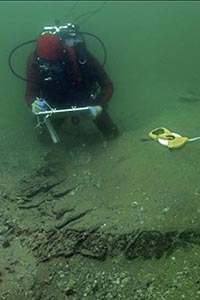
What happens to a ship at the end of its life? Underwater archaeology at an Egyptian port near Alexandria provides a vivid picture of very different fates. [/vc_column_text][mk_divider thickness=”1″ margin_top=”10″][vc_column_text]

ByÌýAmir Gorzalczany and Baruch Rosen

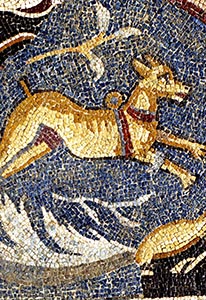
Many cultures hunt with animals. Roman mosaics give us insights about different techniques for restraining animals but also about the ideologies of their patrons. [/vc_column_text][mk_divider thickness=”1″ margin_top=”10″][vc_column_text]

ByÌýBen Noonan

There are 235 non-Semitic loanwords in the Hebrew Bible from languages ranging from Egyptian, Greek, Hittite, Luvian, Hurrian, Old Indic, to Old Iranian. What do these tell us about the writers and their society? [/vc_column_text][mk_divider thickness=”1″ margin_top=”10″][vc_column_text]

ByÌýJörg W.E. Fassbinder

The southern Mesopotamian city of Uruk is approximately five kilometers in diameter. Even after a century of work, excavations have barely scratched the surface. But new techniques now look far below the surface. [/vc_column_text][mk_divider thickness=”1″ margin_top=”10″][/vc_column_inner][/vc_row_inner][/vc_column][/vc_row]

Message From ASOR’s Board Chair

[vc_row fullwidth=”true” attached=”true” css=”.vc_custom_1496247803139{padding-top: 0px !important;padding-right: 0px !important;padding-bottom: 0px !important;padding-left: 0px !important;}”][vc_column][vc_single_image image=”59849″ img_size=”full” alignment=”center”][/vc_column][/vc_row][vc_row fullwidth=”true” css=”.vc_custom_1496682730308{padding-top: 10px !important;padding-right: 0px !important;padding-bottom: 0px !important;padding-left: 0px !important;}”][vc_column width=”1/12″ css=”.vc_custom_1496683820796{margin-right: 10px !important;}” offset=”vc_hidden-md vc_hidden-sm vc_hidden-xs”][vc_column_text]

Ìý³§±ᴡ¸鷡

[/vc_column_text][mk_image src=”http://www.asortest.org/wp-content/uploads/2017/01/social-fb-icon4.jpg” image_width=”42″ image_height=”42″ hover=”false” custom_url=”https://www.facebook.com/ASOResearch/” margin_bottom=”0″][mk_image src=”http://www.asortest.org/wp-content/uploads/2017/01/social-tw-icon4.jpg” image_width=”42″ image_height=”42″ hover=”false” custom_url=”https://twitter.com/ASOResearch?ref_src=twsrc%5Egoogle%7Ctwcamp%5Eserp%7Ctwgr%5Eauthor” margin_bottom=”0″][mk_image src=”http://www.asortest.org/wp-content/uploads/2017/01/social-in-icon4.jpg” image_width=”42″ image_height=”42″ hover=”false” custom_url=”https://www.linkedin.com/company/american-schools-of-oriental-research” margin_bottom=”0″][mk_image src=”http://www.asortest.org/wp-content/uploads/2017/01/social-ml-icon_7.jpg” image_width=”42″ image_height=”42″ hover=”false” custom_url=”mailto:info@asor.org” margin_bottom=”0″][mk_image src=”http://www.asortest.org/wp-content/uploads/2017/01/blog-icon3.jpg” image_width=”42″ image_height=”42″ hover=”false” custom_url=”http://asor.org/blog” margin_bottom=”0″][/vc_column][vc_column border_color=”rgba(255,255,255,0.01)” width=”1/6″ css=”.vc_custom_1496683923840{margin-right: 20px !important;border-left-width: 2px !important;padding-right: 20px !important;padding-left: 20px !important;border-left-color: #99422f !important;}”][mk_divider divider_color=”rgba(255,255,255,0.01)” thickness=”1″ margin_top=”3″ margin_bottom=”3″][vc_column_text]

NEWS@17³ԹÏE-NEWSLETTER

ANCIENT NEAR EAST TODAY E-NEWSLETTER

PAST 17³ԹÏNEWS, MONTH BY MONTH

17³ԹÏANNUAL MEETING

[/vc_column_text][/vc_column][vc_column border_color=”rgba(170,170,170,0.01)” width=”1/2″ css=”.vc_custom_1487276122024{margin-right: 10px !important;margin-bottom: 30px !important;border-right-width: 2px !important;border-bottom-width: 2px !important;padding-top: 30px !important;padding-right: 30px !important;padding-left: 20px !important;background-color: #ffffff !important;border-right-color: rgba(227,228,228,0.75) !important;border-bottom-color: rgba(227,228,228,0.75) !important;}”][vc_column_text responsive_align=”left”]

MESSAGE FROM ASOR’S BOARD CHAIR, RICHARD COFFMAN

[/vc_column_text][mk_divider][vc_wp_text]

June 17, 2020

Dear 17³ԹÏFriend:

I usually begin my annual fiscal year-end fundraising missive with a pithy observation about life in the world of ASOR. But not this year. There’s too much uncertainty and unrest.

So, I will gratefully report that even during the COVID-19 pandemic, 17³ԹÏhas stayed on course and on mission. To our members and donors who have already made gifts this fiscal year, thank you. Your generosity has enabled us to continue to operate at a high level.

For example, we have continued to publish and distribute our journals without interruption. Their quality is at an all-time high—to the point that they are now receiving external rankings and impact factors, a new development in 2020.

We also have continued to preserve and protect cultural heritage as an ideal uniting peoples and promoting diversity—such as digitizing manuscripts of the trans-Saharan trade, assessing Jewish heritage in Iraq and Syria, and conducting cultural heritage education and stewardship programs in Libya.

But we have another financial gap to close. Early in the pandemic, we shifted our focus to you. We zigged when others zagged. We pledged to support our members by dramatically increasing online resources and providing membership scholarships to anyone financially impacted by the coronavirus. While we’ve lived up to our commitment in a big way, there is much work to be done. And we need your help to do it.

Any gift will be gratefully accepted and wonderfully acknowledged—$25, $50, $100, or even $1,000. In fact, the more individual donations we receive, regardless of the amount, the better positioned we will be to attract gifts from donors and foundations. So, please join me in standing in the gap for our members who need 17³ԹÏthe most during the current prevailing madness.

Best regards,

Richard L. Coffman
Chairman of the Board of Trustees

[/vc_wp_text][/vc_column][vc_column border_color=”rgba(170,170,170,0.01)” width=”1/6″ css=”.vc_custom_1496684098866{margin-right: 5px !important;margin-bottom: 20px !important;border-right-width: 2px !important;border-bottom-width: 2px !important;padding-top: 30px !important;padding-right: 10px !important;padding-left: 10px !important;background-color: #ffffff !important;border-right-color: rgba(227,228,228,0.75) !important;border-bottom-color: rgba(227,228,228,0.75) !important;}”][vc_wp_posts title=”BROWSE THE NEWS ARCHIVE” number=”4″][/vc_column][vc_column border_color=”rgba(170,170,170,0.01)” width=”1/6″ css=”.vc_custom_1496684008271{margin-right: 10px !important;margin-bottom: 30px !important;border-right-width: 2px !important;border-bottom-width: 2px !important;padding-top: 30px !important;padding-right: 20px !important;padding-left: 20px !important;background-color: #ffffff !important;border-right-color: rgba(227,228,228,0.75) !important;border-bottom-color: rgba(227,228,228,0.75) !important;}”][vc_column_text] [/vc_column_text][/vc_column][/vc_row]

Code of Conduct for 17³ԹÏAnnual Meeting & More

CODE OF CONDUCT FOR THE 17³ԹÏANNUAL MEETING AND OTHER 17³ԹÏSPONSORED EVENTS

May 2020

I. Introduction

In 2015 the Board of Trustees for 17³ԹÏapproved a Policy on Professional Conduct that laid out the basic principles 17³ԹÏmembers are expected to follow in their professional activities. Subsequently 17³ԹÏadopted the Code of Conduct for Fieldwork Projects. While these documents address most professional activities, they do not provide specific guidance for behavior at the 17³ԹÏAnnual Meeting. While this silence may have been predicated on the assumption that the aforementioned policies should suffice, events at other professional conferences in 2018 and 2019, including the promulgation of codes of conduct for such events, suggested to the 17³ԹÏBoard that the organization should follow these other professional organizations such as SCS, SAA, and the European Association of Archaeologists and adopt a policy on conduct at the 17³ԹÏAnnual Meeting or other 17³ԹÏsponsored events.

ÌýII. Statement on Harassment

The annual meeting and other 17³ԹÏsponsored events provide opportunities for 17³ԹÏmembers to engage in the active exchange of ideas both within and outside formal sessions and to interact and network with colleagues. This policy does not seek to limit the subjects of inquiry or in any way to constrain robust debate and dialogue. Participants in the annual meeting must feel free to explore the ideas that are raised in and out of the formal sessions. At the same time this activity should always occur within an atmosphere of mutual respect, recognizing the diversity of 17³ԹÏmembership and of those who participate in the conference. Attendees, participants, speakers, volunteers, exhibitors and vendors (hereinafter attendees) at any ASOR-sponsored event, including online venues and official or unofficial social events occurring at ASOR-sponsored meetings, are entitled to expect an atmosphere that is free from any kind of disrespect and are expected to adhere to the provisions of this code irrespective of whether they are members of ASOR.

To that end, 17³ԹÏwill not tolerate harassment in any form. The policies referenced above, as well as ASOR’s non-discrimination policy, emphasize the organization’s commitment to a professional environment in which the dignity of every individual is recognized and valued and individuals are not subjected to discrimination based on categories such as gender, which includes real or perceived gender identity, religion, age, race, disability, and sexual orientation and adds the other federally-protected categories of familial status (i.e., marital and parental situation, including pregnancy), color, and national origin.

This means that harassment, intimidation, and bullying of any kind have no place at the 17³ԹÏAnnual Meeting. For purposes of this policy harassment includes, but is not limited to, sexual harassment such as unwelcome sexual advances, or other verbal or physical contact of a sexual nature. Harassment also pertains to activities/behaviors such as stalking, queer/trans bullying, or hostility or abuse based on age, disability, religion, race or ethnicity. Such conduct is harmful, disrespectful, and unprofessional. Attendees at the Annual Meeting shall not engage in harassment, bullying, or intimidation of other attendees whether in person or online or through other forms of media, such as unwanted photography/recording whether in or outside a session, or through sustained disruption of talks or other events, and their attendance at the meeting is an express acceptance of the obligation to follow the directives of this policy. Attendees should be mindful that they are bound by the codes of conduct at their own institutions and. as applicable, the provisions of Title IX, and that this policy reinforces those codes.

In the event that an 17³ԹÏattendee experiences or witnesses harassment, bullying, or intimidation at the meeting that is inconsistent with the values articulated in ASOR’s Policy on Professional Conduct, the attendee should contact ASOR’s Executive Director or other member of the Executive Committee or such other third party as the Executive Committee shall have identified and is encouraged to make a report in writing or electronically to them immediately or as soon as is practicable. The Executive Committee will delegate two members of that body to work together to investigate the reported behavior, to contact the person who has reported the behavior, and, if warranted, to contact the person about whom the complaint has been made. Pursuant to that determination the Executive Committee or its delegate(s) may take further and immediate action at the annual meeting, including notifying the individual that he/she is barred from attending any further events at the meeting without providing any refund of registration or membership fees, if complaints are made onsite and such a response is deemed necessary. The Executive Committee or its delegate(s) may, if circumstances warrant it, bar the individual from attending one or more subsequent meetings or revoke the individual’s membership in 17³ԹÏdepending on the severity of the matter. The Executive Committee or its delegate(s) may also exclude from the Annual Meeting or other 17³ԹÏsponsored events any individual censured by his or her home institution for harassment of any kind as described above if the Executive Committee learns of such censure prior to the commencement of the Annual Meeting or other 17³ԹÏsponsored event. In order to facilitate the process for giving notice of harassment 17³ԹÏshall provide attendees with a flyer or other handout or badge identifying the members of the Executive Committee or such other persons as attendees should contact in the event of an incident of harassment. Placards with the text of this policy and contact information shall be posted in the venue of the Annual Meeting.