Ad Hoc Climate Impact Committee Seeks Members

17勛圖Forms Ad Hoc Climate Impact Committee

Nominations (including self-) sought for committee members

It has long been recognized that climate degradation in the form of air pollution, fire, and flooding poses serious threats to cultural monuments central to ASOR���s mission. The accelerating climate emergency calls for 17勛圖to uphold this mission by addressing the contribution of its own activities to this global problem, and the 17勛圖Board has engaged in conversations about this issue over the past two years. During its meeting in December 2020, the Board received a proposal from President Sharon Herbert and Executive Director Andy Vaughn that 17勛圖investigate the feasibility of achieving carbon neutrality for the Annual Meeting by 2025. Prior to the Board discussion, this proposal had been strongly endorsed by the Annual Meeting Program Committee. The Board did not take a vote last December, but the general sentiment was that the formation of an ad hoc泭committee would be the appropriate next step.

Thus, 17勛圖is now seeking volunteers for an泭Ad Hoc泭Climate Impact Committee to study the impact of its activities on climate change and to make recommendations to the Board of Trustees on how to mitigate these, particularly as regards our Annual Meeting. This泭ad hoc泭committee will be comprised of 6-8 17勛圖members. Virginia Herrmann, who presented with Lucas Stephens a poster on ������ at our 2019 meeting in San Diego, has agreed to chair the committee along with our Executive Director, Andy Vaughn. We will ask the committee to present a report on directions to take at the Fall 2022 Board of Trustees��� meeting.

Those interested in serving on泭Ad Hoc泭Climate Impact Committee should contact the Chairs,泭Virginia Herrmann泭硃紳餃泭Andy Vaughn. Early career members are particularly encouraged to apply. We hope to have the membership determined by Nov 10, 2021.

2021 Annual Meeting Student Paper Award

2021 ANNUAL MEETING STUDENT PAPER AWARD

17勛圖is accepting applications for the 2021 Student Paper Award. This award is conferred upon the author(s) of a paper presented during either component (In-Person/Chicago, Nov. 17-19; Virtual, Dec. 9-12) of the Annual Meeting that conveys the results of a study about ancient Near Eastern and wider Mediterranean societies in a clear, understandable and convincing fashion. The first author and presenter of the paper must be a registered student at the time of presentation in order to be eligible for consideration for this award. Students will need to complete the following steps to be considered for the award. Applications are due泭November 8.


Students and Early Career Scholars at the 2019 Annual Meeting

1.泭 Please complete this泭泭in order to apply for the Student Paper Award.

2.泭 Submit your pre-recorded paper presentation (mp4 video, 20 minutes maximum) by November 8 to Jared Koller (jaredkoller@asor.org) using a DropBox link or other file sharing method. Even students who will present their papers live in Chicago still need to submit the presentation recording to be considered for the award.

Applications and Papers are both due by November 8

Please note that this award is independent of the Sean Dever Memorial Prize, which is conferred by the W.F. Albright Institute of Archaeological Research. To learn more about Awards presented at the Annual Meeting, please visit the Honors and Awards泭page. For questions and inquiries please email泭info@asor.org.

WHERE ARE THEY NOW? SARAH COSTELLO

[vc_row fullwidth=”true” css=”.vc_custom_1490224714943{padding-top: 0px !important;padding-right: 0px !important;padding-bottom: 0px !important;padding-left: 0px !important;}”][vc_column][mk_edge_slider slides=”30813″ full_height=”false” height=”400″ parallax=”true”][/vc_column][/vc_row][vc_row][vc_column][vc_column_text][/vc_column_text][/vc_column][/vc_row][vc_row fullwidth=”true” css=”.vc_custom_1490225468623{padding-top: 0px !important;padding-right: 0px !important;padding-bottom: 0px !important;padding-left: 0px !important;}”][vc_column width=”1/12″ css=”.vc_custom_1490225195470{margin-right: 10px !important;}” offset=”vc_hidden-sm vc_hidden-xs”][vc_column_text]

泭 SHARE

[/vc_column_text][mk_image src=”http://www.asortest.org/wp-content/uploads/2017/01/social-fb-icon4.jpg” image_width=”42″ image_height=”42″ hover=”false” custom_url=”https://www.facebook.com/ASOResearch/” margin_bottom=”0″][mk_image src=”http://www.asortest.org/wp-content/uploads/2017/01/social-tw-icon4.jpg” image_width=”42″ image_height=”42″ hover=”false” custom_url=”https://twitter.com/ASOResearch?ref_src=twsrc%5Egoogle%7Ctwcamp%5Eserp%7Ctwgr%5Eauthor” margin_bottom=”0″][mk_image src=”http://www.asortest.org/wp-content/uploads/2017/01/social-in-icon4.jpg” image_width=”42″ image_height=”42″ hover=”false” custom_url=”https://www.linkedin.com/company/american-schools-of-oriental-research” margin_bottom=”0″][mk_image src=”http://www.asortest.org/wp-content/uploads/2017/01/social-ml-icon_7.jpg” image_width=”42″ image_height=”42″ hover=”false” custom_url=”mailto:asor@bu.edu” margin_bottom=”0″][mk_image src=”http://www.asortest.org/wp-content/uploads/2017/01/blog-icon3.jpg” image_width=”42″ image_height=”42″ hover=”false” custom_url=”http://asorblog.org/” margin_bottom=”0″][/vc_column][vc_column border_color=”rgba(255,255,255,0.01)” width=”1/6″ css=”.vc_custom_1490365673198{margin-right: 20px !important;border-left-width: 2px !important;padding-right: 20px !important;padding-left: 20px !important;border-left-color: #99422f !important;}” el_class=”sticky-sidenav”][mk_divider divider_color=”rgba(255,255,255,0.01)” thickness=”1″ margin_top=”3″ margin_bottom=”3″][vc_widget_sidebar sidebar_id=”ca-sidebar-38739″ el_class=”.widget { overflow: hidden; margin-bottom: 0; }”][/vc_column][vc_column border_color=”rgba(170,170,170,0.01)” width=”1/2″ css=”.vc_custom_1490225606852{margin-right: 10px !important;margin-bottom: 30px !important;border-right-width: 2px !important;border-bottom-width: 2px !important;padding-top: 30px !important;padding-right: 30px !important;padding-left: 20px !important;background-color: #ffffff !important;border-right-color: rgba(227,228,228,0.75) !important;border-bottom-color: rgba(227,228,228,0.75) !important;}”][vc_column_text responsive_align=”left”]

17勛圖FELLOWSHIP RECIPIENTS: WHERE ARE THEY NOW?

SARAH COSTELLO

Sarah at Phaistos, Crete.

What was your most memorable moment during the excavation season you participated in?

One of the most memorable experiences during the excavation season in Cyprus, supported by the Platt grant, was driving through the Troodos mountains. I had never driven on the left side of the road, and the windy, narrow Troodos roads were a trial by fire. Now I’m a seasoned Cypriot driver!

What advice would you give a fellow recipient?

Make the most of it. See as many sites as possible, meet as many people as you can. Think about your future excavation plans while you are on site.

Are you still affiliated with 17勛圖as a member?

I am current 17勛圖member. I’m an Assistant Professor of Art History. I co-organized a session at the 17勛圖annual meeting for about a decade, and will continue to participate in the meetings in the future.

How did the scholarship/grant help you with your career?

The Platt grant helped me get back into the field after a hiatus (when my kids were very young). Returning to the field rekindled my passion for being on site. I followed that season with 3 more seasons of excavation on Cyprus. I have also brought student groups to the Mediterranean and participated in a study tour of Greece. You can’t keep me away now!

Learn more about 17勛圖Excavation Fellowships[/vc_column_text][/vc_column][vc_column border_color=”rgba(170,170,170,0.01)” width=”1/6″ css=”.vc_custom_1490571214409{margin-right: 10px !important;margin-bottom: 30px !important;border-right-width: 2px !important;border-bottom-width: 2px !important;padding-top: 30px !important;padding-right: 20px !important;padding-left: 20px !important;background-color: #ffffff !important;border-right-color: rgba(227,228,228,0.75) !important;border-bottom-color: rgba(227,228,228,0.75) !important;}”][vc_wp_posts title=”BROWSE THE NEWS ARCHIVE” number=”4″][/vc_column][vc_column border_color=”rgba(170,170,170,0.01)” width=”1/6″ css=”.vc_custom_1490225688999{margin-right: 10px !important;margin-bottom: 30px !important;border-right-width: 2px !important;border-bottom-width: 2px !important;padding-top: 30px !important;padding-right: 30px !important;padding-left: 20px !important;background-color: #ffffff !important;border-right-color: rgba(227,228,228,0.75) !important;border-bottom-color: rgba(227,228,228,0.75) !important;}”][vc_column_text] [/vc_column_text][/vc_column][/vc_row][vc_row][vc_column][vc_column_text]

[/vc_column_text][/vc_column][/vc_row]

INSTITUTIONAL MEMBERSHIPS

INSTITUTIONAL MEMBERSHIPS

Being an 17勛圖member means being part of an organization that has shaped the study of the Near East for over a century. Our mission is to initiate, encourage, and support research into, and public understanding of, the history and cultures of the Near East and wider Mediterranean, from the earliest times.

Our memberships help foster original research, exploration, and archaeological fieldwork; encourage scholarship about Near Eastern and Mediterranean traditions and societies; uphold the highest academic standards in interdisciplinary research and teaching; and support efforts to protect, preserve, and present to the public the historic and cultural heritage of the Near Eastern and Mediterranean world.

17勛圖invites select institutions to join the 17勛圖consortium. Membership is prestigious and offers tremendous benefits to the students, faculty, and staff of your college, university, or seminary. If you would like to apply for institutional membership, please have the appropriate official fill out the form available at ���Join Now��� and send it to the 17勛圖office. Please be sure to designate an institutional representative.

Faculty, students, and staff of your member institution will receive the following benefits:

泭

To pay your Institutional Membership dues, please either call 703-789-9230 to make a payment over the phone泭棗娶泭mail the payment information to ASOR, 209 Commerce Street, Alexandria, VA 22314.

For more information about becoming an institutional member, please contact the Membership Office at 703-789-9230 or by email.

ANE TODAY VOL VII n10 (2019)

[vc_row fullwidth=”true” css=”.vc_custom_1486761987223{padding-top: 0px !important;padding-right: 0px !important;padding-bottom: 0px !important;padding-left: 0px !important;}”][vc_column][vc_single_image image=”33901″ img_size=”full”][/vc_column][/vc_row][vc_row fullwidth=”true” css=”.vc_custom_1487275830783{padding-top: 10px !important;padding-right: 0px !important;padding-bottom: 0px !important;padding-left: 0px !important;}”][vc_column width=”1/12″ css=”.vc_custom_1493002455400{margin-right: 10px !important;}” offset=”vc_hidden-md vc_hidden-sm vc_hidden-xs”][vc_column_text]

泭SHARE

[/vc_column_text][mk_image src=”http://www.asortest.org/wp-content/uploads/2017/01/social-fb-icon4.jpg” image_width=”42″ image_height=”42″ hover=”false” custom_url=”https://www.facebook.com/ASOResearch/” margin_bottom=”0″][mk_image src=”http://www.asortest.org/wp-content/uploads/2017/01/social-tw-icon4.jpg” image_width=”42″ image_height=”42″ hover=”false” custom_url=”https://twitter.com/ASOResearch?ref_src=twsrc%5Egoogle%7Ctwcamp%5Eserp%7Ctwgr%5Eauthor” margin_bottom=”0″][mk_image src=”http://www.asortest.org/wp-content/uploads/2017/01/social-in-icon4.jpg” image_width=”42″ image_height=”42″ hover=”false” custom_url=”https://www.linkedin.com/company/american-schools-of-oriental-research” margin_bottom=”0″][mk_image src=”http://www.asortest.org/wp-content/uploads/2017/01/social-ml-icon_7.jpg” image_width=”42″ image_height=”42″ hover=”false” custom_url=”mailto:info@asor.org” margin_bottom=”0″][mk_image src=”http://www.asortest.org/wp-content/uploads/2017/01/blog-icon3.jpg” image_width=”42″ image_height=”42″ hover=”false” custom_url=”http://asor.org/blog” margin_bottom=”0″][/vc_column][vc_column border_color=”rgba(255,255,255,0.01)” width=”1/6″ css=”.vc_custom_1493004112151{margin-right: 20px !important;border-left-width: 2px !important;padding-right: 20px !important;padding-left: 20px !important;border-left-color: #99422f !important;}”][mk_divider divider_color=”rgba(255,255,255,0.01)” thickness=”1″ margin_top=”3″ margin_bottom=”3″][vc_widget_sidebar sidebar_id=”sidebar-16″ el_class=”.widget { overflow: hidden; margin-bottom: 0; }”][/vc_column][vc_column border_color=”rgba(170,170,170,0.01)” width=”8/12″ css=”.vc_custom_1487276122024{margin-right: 10px !important;margin-bottom: 30px !important;border-right-width: 2px !important;border-bottom-width: 2px !important;padding-top: 30px !important;padding-right: 30px !important;padding-left: 20px !important;background-color: #ffffff !important;border-right-color: rgba(227,228,228,0.75) !important;border-bottom-color: rgba(227,228,228,0.75) !important;}”][vc_row_inner][vc_column_inner width=”1/3″ css=”.vc_custom_1515087305797{padding-right: 20px !important;}”][mk_image src=”http://www.asor.org/wp-content/uploads/2017/12/foa-reduced-100.png” image_width=”190″ image_height=”100″ crop=”false” hover=”false”][/vc_column_inner][vc_column_inner width=”2/3″][vc_column_text responsive_align=”left”]

October 2019

Vol. 7, No. 10

[/vc_column_text][/vc_column_inner][/vc_row_inner][vc_row_inner][vc_column_inner][mk_divider thickness=”1″ margin_top=”10″][vc_column_text]

By Naama Sukenik

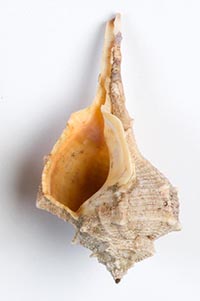
During the Roman period the color purple was restricted to elites. Not surprisingly, fakes and imitations were common. New analytical techniques help us understand these industries and their diverse source materials. [/vc_column_text][mk_divider thickness=”1″ margin_top=”10″][vc_column_text]

By Catherine Hezser

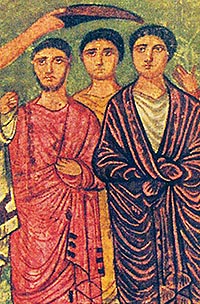
King David was a sinner, but post-Biblical Jews and Christians transformed him into a hero. These changes tell us as much about competition between the two as they do about evolving religions and theologies. [/vc_column_text][mk_divider thickness=”1″ margin_top=”10″][vc_column_text]

By Tim Frank

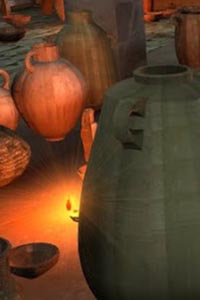
The expression seeing is believing has another meaning in archaeology; imagination is necessary to see what has been removed. Visualization is a powerful technique to see what is no longer there. [/vc_column_text][mk_divider thickness=”1″ margin_top=”10″][vc_column_text]

By Hossein Badamchi

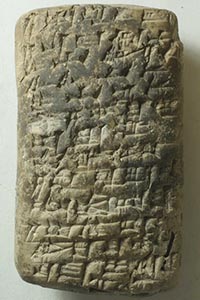
A unique series of texts from the early second millennium BCE at Susa shows that care of the elderly was a serious concern for families. Then, as now, inheritance was a motivation for children to provide their parents with proper care. [/vc_column_text][mk_divider thickness=”1″ margin_top=”10″][vc_column_text]

By Alexander Ahrens

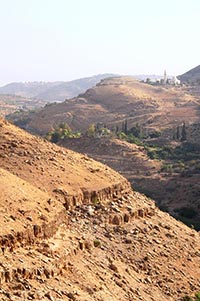
Some eighteen kilometers long and with a vertical rise of a kilometer, the Wadi Shu尪aib connects the Jordan Valley with the Amman area. A recent survey project has revealed sites of many ages tucked into this diverse landscape. [/vc_column_text][mk_divider thickness=”1″ margin_top=”10″][/vc_column_inner][/vc_row_inner][/vc_column][/vc_row]

Table of Contents for NEA 82.3 (2019)

[vc_row fullwidth=”true” attached=”true” css=”.vc_custom_1496247803139{padding-top: 0px !important;padding-right: 0px !important;padding-bottom: 0px !important;padding-left: 0px !important;}”][vc_column][vc_single_image image=”54173″ img_size=”full” alignment=”center”][/vc_column][/vc_row][vc_row fullwidth=”true” css=”.vc_custom_1496682730308{padding-top: 10px !important;padding-right: 0px !important;padding-bottom: 0px !important;padding-left: 0px !important;}”][vc_column width=”1/12″ css=”.vc_custom_1496683820796{margin-right: 10px !important;}” offset=”vc_hidden-md vc_hidden-sm vc_hidden-xs”][vc_column_text]

泭SHARE

[/vc_column_text][mk_image src=”http://www.asortest.org/wp-content/uploads/2017/01/social-fb-icon4.jpg” image_width=”42″ image_height=”42″ hover=”false” custom_url=”https://www.facebook.com/ASOResearch/” margin_bottom=”0″][mk_image src=”http://www.asortest.org/wp-content/uploads/2017/01/social-tw-icon4.jpg” image_width=”42″ image_height=”42″ hover=”false” custom_url=”https://twitter.com/ASOResearch?ref_src=twsrc%5Egoogle%7Ctwcamp%5Eserp%7Ctwgr%5Eauthor” margin_bottom=”0″][mk_image src=”http://www.asortest.org/wp-content/uploads/2017/01/social-in-icon4.jpg” image_width=”42″ image_height=”42″ hover=”false” custom_url=”https://www.linkedin.com/company/american-schools-of-oriental-research” margin_bottom=”0″][mk_image src=”http://www.asortest.org/wp-content/uploads/2017/01/social-ml-icon_7.jpg” image_width=”42″ image_height=”42″ hover=”false” custom_url=”mailto:asor@bu.edu” margin_bottom=”0″][mk_image src=”http://www.asortest.org/wp-content/uploads/2017/01/blog-icon3.jpg” image_width=”42″ image_height=”42″ hover=”false” custom_url=”http://asorblog.org/” margin_bottom=”0″][/vc_column][vc_column border_color=”rgba(255,255,255,0.01)” width=”1/6″ css=”.vc_custom_1496683923840{margin-right: 20px !important;border-left-width: 2px !important;padding-right: 20px !important;padding-left: 20px !important;border-left-color: #99422f !important;}”][mk_divider divider_color=”rgba(255,255,255,0.01)” thickness=”1″ margin_top=”3″ margin_bottom=”3″][vc_column_text]

[/vc_column_text][/vc_column][vc_column border_color=”rgba(170,170,170,0.01)” width=”1/2″ css=”.vc_custom_1487276122024{margin-right: 10px !important;margin-bottom: 30px !important;border-right-width: 2px !important;border-bottom-width: 2px !important;padding-top: 30px !important;padding-right: 30px !important;padding-left: 20px !important;background-color: #ffffff !important;border-right-color: rgba(227,228,228,0.75) !important;border-bottom-color: rgba(227,228,228,0.75) !important;}”][vc_row_inner][vc_column_inner width=”1/4″ css=”.vc_custom_1570040186774{padding-right: 10px !important;}”][mk_image src=”http://www.asor.org/wp-content/uploads/2019/09/NEA_82_3jpg.jpg” image_width=”148″ image_height=”200″ crop=”false” hover=”false”][/vc_column_inner][vc_column_inner width=”3/4″][vc_column_text]

Table of Contents for Near Eastern Archaeology 82.3 (September 2019)

[/vc_column_text][/vc_column_inner][/vc_row_inner][vc_row_inner][vc_column_inner css=”.vc_custom_1570040186774{padding-right: 10px !important;}”][vc_column_text]

You can receive (and other ) through an . Please e-mail泭the Membership office if you have any questions.

[/vc_column_text][/vc_column_inner][/vc_row_inner][mk_divider][vc_row_inner][vc_column_inner width=”1/4″ css=”.vc_custom_1570041002103{padding-right: 10px !important;}”][mk_image src=”http://www.asor.org/wp-content/uploads/2019/09/fg11_200x500.jpg” image_width=”200″ image_height=”500″ crop=”false” hover=”false”][/vc_column_inner][vc_column_inner width=”3/4″][vc_column_text]

Pp. 132-139: “Exile and Return of the First Temple Vessels: Competing Postexilic Perspectives and Claims of Continuity,” by Debra Scoggins Ballentine

Jerusalem���s destruction and the Babylonian exile were catalysts for the composition and redaction of much Judean literature. Authors wrestled with disruption of cultus and the uncertainty of returnees having to sort out their place���both physical spaces and abstract social places���back in Jerusalem and Judah. Stories about the temple vessels feature competing claims about their fate: that they were dismantled or left intact during the exile; that they were stored in a Babylonian temple or used as Babylonian wine goblets; that they were returned to Jerusalem with divine protection; and even that they were temporarily displaced once back in Jerusalem. These varied fates reflect competition between groups and individuals���both historical figures and literary characters���such as Jeremiah, Daniel, Ezra, and Nehemiah. Postexilic authors employed stories about the vessels to privilege particular forms of ritual, endorse select groups and ideologies, and undercut alternative positions.[/vc_column_text][/vc_column_inner][/vc_row_inner][vc_column_text responsive_align=”left”]17勛圖Members with online access: navigate to the token link email sent to you before attempting to read this article. Once you have activated your member token, to access the above article on The University of Chicago Press Journals’ website.[/vc_column_text][mk_divider][vc_row_inner][vc_column_inner width=”1/4″ css=”.vc_custom_1570041002103{padding-right: 10px !important;}”][mk_image src=”http://www.asor.org/wp-content/uploads/2019/10/fg7_200x500.jpg” image_width=”200″ image_height=”500″ crop=”false” hover=”false”][/vc_column_inner][vc_column_inner width=”3/4″][vc_column_text]

Pp. 140-147: “Another Temple, Another Vessel: Josephus, the Arch of Titus, and Roman Triumphal Propaganda,” by Nathaniel DesRosiers

In 71 CE, the year after the destruction of the second Jerusalem temple, the victorious emperor Vespasian and his son Titus, commander of the Judean
campaign, celebrated their success with a victory triumph through the streets of Rome. Josephus provides a full account of the event in The Jewish War 7.123���58, lingering in particular on his description of the spoils of the Temple as they were paraded through the streets. He states: ���The spoils were piled in heaps, but prominent above all were the spoils from the temple in Jerusalem, these included a golden table many talents in weight and a lampstand likewise made of gold��� (JW 7.148).[/vc_column_text][/vc_column_inner][/vc_row_inner][vc_column_text responsive_align=”left”]17勛圖Members with online access: navigate to the token link email sent to you before attempting to read this article. Once you have activated your member token, to access the above article on The University of Chicago Press Journals’ website.[/vc_column_text][mk_divider][vc_row_inner][vc_column_inner width=”1/4″ css=”.vc_custom_1570041002103{padding-right: 10px !important;}”][mk_image src=”http://www.asor.org/wp-content/uploads/2019/09/fg8_200x500.jpg” image_width=”200″ image_height=”500″ crop=”false” hover=”false”][/vc_column_inner][vc_column_inner width=”3/4″][vc_column_text]

Pp. 148-155: “When Yosa Meshita Took the Temple Menorah: A Rabbinic Legend,” by Steven Fine

The rabbis of late antiquity were well aware that after the destruction of the Second Temple the most precious ���sacred vessels��� had been taken to Rome. Classical rabbinic literature records numerous legends of the destruction including discussions of the fate of the sacred vessels, including ���a golden menorah.��� At times preserving distant memories of the war, these stories are most significant for the ways that later generations lived with and interpreted the continuing meaning of this national trauma. In this essay I will employ anthropological/folklore approaches better to understand rabbinic texts. That is, I examine the human characters who wrote, performed, heard, and read these traditions in late antiquity (Hasan-Rokem 2003; Fine in press). I focus on the authorship and reception of rabbinic tradition by late antique audiences by undertaking a ���thick description��� of a story preserved in Genesis Rabbah, a collection of homiletical midrashim assembled in the Galilee near the turn of the fifth century CE. I focus on the treason of a certain Yosa Meshita, suggesting contexts in which this tale ���lived,��� situating it within the world in which it was authored, performed, and achieved its literary form.

[/vc_column_text][/vc_column_inner][/vc_row_inner][vc_column_text responsive_align=”left”]17勛圖Members with online access: navigate to the token link email sent to you before attempting to read this article. Once you have activated your member token, to access the above article on The University of Chicago Press Journals’ website.[/vc_column_text][mk_divider][vc_row_inner][vc_column_inner width=”1/4″ css=”.vc_custom_1570041002103{padding-right: 10px !important;}”][mk_image src=”http://www.asor.org/wp-content/uploads/2019/10/fg1_200x500.jpg” image_width=”200″ image_height=”500″ crop=”false” hover=”false”][/vc_column_inner][vc_column_inner width=”3/4″][vc_column_text]Pp. 156-163: “Facing the Holy Ark, in Words and in Images,” by Steven D. Fraade

The ark of the covenant was central to the plan of the Jerusalem Temple and the wilderness tabernacle before it, as the vessel was located in the structures��� holiest, innermost domain. Despite its importance, the ark of the covenant was invisible to virtually all Israelites. Even while the ark was being assembled, disassembled, and transported in the wilderness, the Levitical Kohathites were instructed to shield it from view, including their own (Num 4:5���20). One of the chief obligations of Aaron and his descendants was to deny access to anyone else, including the Levites, to the Holy of Holies, which housed the ark alone, or risk death (Num 18:1���7, 22���23).

[/vc_column_text][/vc_column_inner][/vc_row_inner][vc_column_text responsive_align=”left”]17勛圖Members with online access: navigate to the token link email sent to you before attempting to read this article. Once you have activated your member token, to access the above article on The University of Chicago Press Journals’ website.[/vc_column_text][mk_divider][vc_row_inner][vc_column_inner width=”1/4″ css=”.vc_custom_1570041002103{padding-right: 10px !important;}”][mk_image src=”http://www.asor.org/wp-content/uploads/2019/10/fg9_200x500.jpg” image_width=”200″ image_height=”500″ crop=”false” hover=”false”][/vc_column_inner][vc_column_inner width=”3/4″][vc_column_text]

Pp. 164-171: “When Is a Menorah Not Just a Menorah? Rethinking Menorah Graffiti in Jewish Mortuary Contexts,” by Karen B. Stern

Hundreds of representations of menorahs have been uncovered from across the ancient world, throughout Egypt, Asia Minor, the Black Sea, Malta, North Africa, Europe, Arabia, Judaea, Palaestina, and Syria. Studied intently by historians, these depictions testify to the symbol���s historical importance, longevity, and myriad uses in antiquity. Many scholars have speculated that the menorahs evoke messianic ideas or those of resurrection; others argue that they signify divine presence or the cosmos at large. Recurring representations of menorahs in modern Jewish religious contexts, in all cases, have assured that the menorah remains the most recognizable of all the temple vessels to modern audiences.

[/vc_column_text][/vc_column_inner][/vc_row_inner][vc_column_text responsive_align=”left”]17勛圖Members with online access: navigate to the token link email sent to you before attempting to read this article. Once you have activated your member token, to access the above article on The University of Chicago Press Journals’ website.[/vc_column_text][mk_divider][vc_row_inner][vc_column_inner width=”1/4″ css=”.vc_custom_1570041002103{padding-right: 10px !important;}”][mk_image src=”http://www.asor.org/wp-content/uploads/2019/10/fg5_200x500.jpg” image_width=”200″ image_height=”500″ crop=”false” hover=”false”][/vc_column_inner][vc_column_inner width=”3/4″][vc_column_text]

Pp. 172-178: “Remembering the Destruction(s) of the Temple at the Museum of the Bible,” by Cavan Concannon

Tucked away on the fifth floor of the Museum of the Bible (MOTB) in Washington, DC is a worn stone, weighing roughly a ton. Unlike most museum exhibits, this one invites visitors to touch its rough surface. The stone would be unremarkable but for what it was made to support: the terrace of the Second Temple in Jerusalem. The stone is on loan to the MOTB as part of an exhibit called ���The People of the Land: History and Archaeology of Ancient Israel��� by the Israel Antiquities Authority (IAA). It once formed part of the Western Wall, the massive terrace that supported Herod the Great���s expansion of the Second Temple complex. As visitors touch this piece of the ���temple,��� they accept the MOTB���s invitation to a pilgrimage experience. As one evangelical news site put it, ���It���s an opportunity to get a glimpse of the Holy Land without visiting the Middle East��� (Stahl and Mitchell 2017).

[/vc_column_text][/vc_column_inner][/vc_row_inner][vc_column_text responsive_align=”left”]17勛圖Members with online access: navigate to the token link email sent to you before attempting to read this article. Once you have activated your member token, to access the above article on The University of Chicago Press Journals’ website.[/vc_column_text][mk_divider][vc_row_inner][vc_column_inner width=”1/4″ css=”.vc_custom_1570041002103{padding-right: 10px !important;}”][mk_image src=”http://www.asor.org/wp-content/uploads/2019/10/fg10_200x500.jpg” image_width=”200″ image_height=”500″ crop=”false” hover=”false”][/vc_column_inner][vc_column_inner width=”3/4″][vc_column_text]

Pp. 179-185: (Exhibit Review)泭“The World Between Empires, Metropolitan Museum of Art, New York,” by Stephanie Lynn Budin

This past March I had the grand opportunity to visit this exhibit curated by Blair Fowlkes-Childs and Michael Seymour, which ran from March through June 2019. The intent of the泭exhibit was twofold. On the one hand it provided a survey of the various cities, states, and societies that populated the Middle East between the great empires of Rome to the west and Parthia to the east (thus the title of the exhibit), ranging in date from the first century BCE to the mid-third century ce. Of particular interest was how these communities situated between dominant and domineering cultures formed their own identities through the mixture of indigenous and imported traditions, and how these identities were expressed. Thus the placard welcoming visitors to the exhibit reads: Following a journey along ancient trade routes across the Middle East, the exhibition explores how local life and culture were shaped by diverse cities and communities, and how identities were expressed through art.

[/vc_column_text][/vc_column_inner][/vc_row_inner][vc_column_text responsive_align=”left”]17勛圖Members with online access: navigate to the token link email sent to you before attempting to read this article. Once you have activated your member token, to access the above article on The University of Chicago Press Journals’ website.[/vc_column_text][mk_divider][vc_column_text responsive_align=”left”]

Pp. 186-189: “Third Workshop on Gender, Methodology, and the Ancient Near East: Enhancing Networking and Consolidating an Initiative,” by Katrien De Graef, Agn癡s Garcia-Ventura, Anne Goddeeris, and Saana Sv瓣rd

17勛圖Members with online access: navigate to the token link email sent to you before attempting to read this article. Once you have activated your member token, to access the above report on The University of Chicago Press Journals’ website.

[/vc_column_text][mk_divider][vc_column_text]

17勛圖Members with online access: navigate to the token link email sent to you before attempting to read this issue. Once you have activated your member token, to access the the entire issue, including book reviews, on The University of Chicago Press Journals’ website.

[/vc_column_text][/vc_column][vc_column border_color=”rgba(170,170,170,0.01)” width=”1/6″ css=”.vc_custom_1496684098866{margin-right: 5px !important;margin-bottom: 20px !important;border-right-width: 2px !important;border-bottom-width: 2px !important;padding-top: 30px !important;padding-right: 10px !important;padding-left: 10px !important;background-color: #ffffff !important;border-right-color: rgba(227,228,228,0.75) !important;border-bottom-color: rgba(227,228,228,0.75) !important;}”][vc_wp_posts title=”BROWSE THE NEWS ARCHIVE” number=”4″][/vc_column][vc_column border_color=”rgba(170,170,170,0.01)” width=”1/6″ css=”.vc_custom_1496684008271{margin-right: 10px !important;margin-bottom: 30px !important;border-right-width: 2px !important;border-bottom-width: 2px !important;padding-top: 30px !important;padding-right: 20px !important;padding-left: 20px !important;background-color: #ffffff !important;border-right-color: rgba(227,228,228,0.75) !important;border-bottom-color: rgba(227,228,228,0.75) !important;}”][vc_column_text] [/vc_column_text][/vc_column][/vc_row]

CHI – Event – SHI at the Metropolitan Museum of Art

[vc_row][vc_column][vc_single_image image=”50747″ img_size=”full” alignment=”center”][/vc_column][/vc_row][vc_row fullwidth=”true” css=”.vc_custom_1567017609884{margin-top: 20px !important;padding-top: 0px !important;padding-right: 0px !important;padding-bottom: 0px !important;padding-left: 0px !important;}”][vc_column width=”1/12″ css=”.vc_custom_1493002455400{margin-right: 10px !important;}” offset=”vc_hidden-md vc_hidden-sm vc_hidden-xs”][vc_column_text]

泭SHARE

[/vc_column_text][mk_image src=”http://www.asortest.org/wp-content/uploads/2017/01/social-fb-icon4.jpg” image_width=”42″ image_height=”42″ hover=”false” custom_url=”https://www.facebook.com/ASOResearch/” margin_bottom=”0″][mk_image src=”http://www.asortest.org/wp-content/uploads/2017/01/social-tw-icon4.jpg” image_width=”42″ image_height=”42″ hover=”false” custom_url=”https://twitter.com/ASOResearch?ref_src=twsrc%5Egoogle%7Ctwcamp%5Eserp%7Ctwgr%5Eauthor” margin_bottom=”0″][mk_image src=”http://www.asortest.org/wp-content/uploads/2017/01/social-in-icon4.jpg” image_width=”42″ image_height=”42″ hover=”false” custom_url=”https://www.linkedin.com/company/american-schools-of-oriental-research” margin_bottom=”0″][mk_image src=”http://www.asortest.org/wp-content/uploads/2017/01/social-ml-icon_7.jpg” image_width=”42″ image_height=”42″ hover=”false” custom_url=”mailto:asor@bu.edu” margin_bottom=”0″][mk_image src=”http://www.asortest.org/wp-content/uploads/2017/01/blog-icon3.jpg” image_width=”42″ image_height=”42″ hover=”false” custom_url=”http://asorblog.org/” margin_bottom=”0″][/vc_column][vc_column border_color=”rgba(255,255,255,0.01)” width=”1/6″ css=”.vc_custom_1493004112151{margin-right: 20px !important;border-left-width: 2px !important;padding-right: 20px !important;padding-left: 20px !important;border-left-color: #99422f !important;}”][mk_divider divider_color=”rgba(255,255,255,0.01)” thickness=”1″ margin_top=”3″ margin_bottom=”3″][vc_widget_sidebar sidebar_id=”ca-sidebar-50561″][/vc_column][vc_column border_color=”rgba(170,170,170,0.01)” width=”8/12″ css=”.vc_custom_1487276122024{margin-right: 10px !important;margin-bottom: 30px !important;border-right-width: 2px !important;border-bottom-width: 2px !important;padding-top: 30px !important;padding-right: 30px !important;padding-left: 20px !important;background-color: #ffffff !important;border-right-color: rgba(227,228,228,0.75) !important;border-bottom-color: rgba(227,228,228,0.75) !important;}”][vc_row_inner][vc_column_inner width=”1/4″ css=”.vc_custom_1567043392838{padding-right: 10px !important;}”][mk_image src=”http://www.asor.org/wp-content/uploads/2019/08/asor-chi-logo_100.jpg” image_width=”186″ image_height=”100″ crop=”false” hover=”false”][/vc_column_inner][vc_column_inner width=”3/4″][vc_column_text]

EVENT:

SHI AT THE METROPOLITAN MUSEUM OF ART

[/vc_column_text][/vc_column_inner][/vc_row_inner][mk_divider thickness=”1″ margin_top=”0″ margin_bottom=”10″][vc_row_inner][vc_column_inner][vc_column_text responsive_align=”left”]

U. S. DEPT. COOPERATION AGREEMENT NUMBER: S-IZ-100-17-CA021

[/vc_column_text][/vc_column_inner][/vc_row_inner][mk_divider thickness=”1″][vc_column_text]On September 22, 2014, Secretary of State John Kerry and SHI Co-Director Michael Danti spoke at the Metropolitan Museum of Art about the threat to cultural heritage in Syria and Iraq, with the latter addressing damage to cultural heritage sites such as Nebi Yunus, the Imam Yahya Ibn al-Qasim Mosque, Raqqa, Dura Europos, and Aleppo.泭Secretary Kerry���s full speech can be found泭, while Professor Danti���s presentation and comments can be found in the slideshow below. A full video of the talk can also be found at the bottom of this page.[/vc_column_text][/vc_column][/vc_row][vc_row][vc_column][vc_column_text]

[/vc_column_text][/vc_column][/vc_row]

CHI – Event – Syrian Heritage Symposium at The Westin San Diego November 23, 2014

[vc_row][vc_column][vc_single_image image=”50747″ img_size=”full” alignment=”center”][/vc_column][/vc_row][vc_row fullwidth=”true” css=”.vc_custom_1567017609884{margin-top: 20px !important;padding-top: 0px !important;padding-right: 0px !important;padding-bottom: 0px !important;padding-left: 0px !important;}”][vc_column width=”1/12″ css=”.vc_custom_1493002455400{margin-right: 10px !important;}” offset=”vc_hidden-md vc_hidden-sm vc_hidden-xs”][vc_column_text]

泭SHARE

[/vc_column_text][mk_image src=”http://www.asortest.org/wp-content/uploads/2017/01/social-fb-icon4.jpg” image_width=”42″ image_height=”42″ hover=”false” custom_url=”https://www.facebook.com/ASOResearch/” margin_bottom=”0″][mk_image src=”http://www.asortest.org/wp-content/uploads/2017/01/social-tw-icon4.jpg” image_width=”42″ image_height=”42″ hover=”false” custom_url=”https://twitter.com/ASOResearch?ref_src=twsrc%5Egoogle%7Ctwcamp%5Eserp%7Ctwgr%5Eauthor” margin_bottom=”0″][mk_image src=”http://www.asortest.org/wp-content/uploads/2017/01/social-in-icon4.jpg” image_width=”42″ image_height=”42″ hover=”false” custom_url=”https://www.linkedin.com/company/american-schools-of-oriental-research” margin_bottom=”0″][mk_image src=”http://www.asortest.org/wp-content/uploads/2017/01/social-ml-icon_7.jpg” image_width=”42″ image_height=”42″ hover=”false” custom_url=”mailto:asor@bu.edu” margin_bottom=”0″][mk_image src=”http://www.asortest.org/wp-content/uploads/2017/01/blog-icon3.jpg” image_width=”42″ image_height=”42″ hover=”false” custom_url=”http://asorblog.org/” margin_bottom=”0″][/vc_column][vc_column border_color=”rgba(255,255,255,0.01)” width=”1/6″ css=”.vc_custom_1493004112151{margin-right: 20px !important;border-left-width: 2px !important;padding-right: 20px !important;padding-left: 20px !important;border-left-color: #99422f !important;}”][mk_divider divider_color=”rgba(255,255,255,0.01)” thickness=”1″ margin_top=”3″ margin_bottom=”3″][vc_widget_sidebar sidebar_id=”ca-sidebar-50561″][/vc_column][vc_column border_color=”rgba(170,170,170,0.01)” width=”8/12″ css=”.vc_custom_1487276122024{margin-right: 10px !important;margin-bottom: 30px !important;border-right-width: 2px !important;border-bottom-width: 2px !important;padding-top: 30px !important;padding-right: 30px !important;padding-left: 20px !important;background-color: #ffffff !important;border-right-color: rgba(227,228,228,0.75) !important;border-bottom-color: rgba(227,228,228,0.75) !important;}”][vc_row_inner][vc_column_inner width=”1/4″ css=”.vc_custom_1567043392838{padding-right: 10px !important;}”][mk_image src=”http://www.asor.org/wp-content/uploads/2019/08/asor-chi-logo_100.jpg” image_width=”186″ image_height=”100″ crop=”false” hover=”false”][/vc_column_inner][vc_column_inner width=”3/4″][vc_column_text]

EVENT:

SYRIAN HERITAGE SYMPOSIUM AT THE WESTIN SAN DIEGO泭NOVEMBER 23, 2014

[/vc_column_text][/vc_column_inner][/vc_row_inner][mk_divider thickness=”1″ margin_top=”0″ margin_bottom=”10″][vc_row_inner][vc_column_inner][vc_column_text responsive_align=”left”]

U. S. DEPT. COOPERATION AGREEMENT NUMBER: S-IZ-100-17-CA021

[/vc_column_text][/vc_column_inner][/vc_row_inner][mk_divider thickness=”1″][vc_column_text]ASOR���s泭Syrian Heritage Initiative泭will be hosting a public Symposium at the 2014 ASOR泭Annual Meeting on Sunday, November 23 at The Westin San Diego hotel. We hope that 17勛圖Annual Meeting attendees will stay through Sunday to participate in this exciting and important event. We also invite the general public or anyone attending the BAS, SBL, or other conferences to attend.

The goals of the Symposium are to raise awareness about the challenges facing Syrian cultural heritage preservation and to provide a forum where heritage specialists and the public can engage in discussions about ASOR���s Syrian Heritage Initiative.

The Symposium will include two sessions that are open to the general public. Tickets are required for the Luncheon (we are charging less than our cost for the meal), which will feature a keynote presentation on looting in the region���especially the role of the Islamic State in this looting. The afternoon sessions will feature principal team members who will introduce the major aspects of the Syrian Heritage Initiative: cultural heritage communications, satellite remote sensing and mapping, and preservation planning and training. The Discussion Period (featuring international experts on Syrian heritage) will address the topic of cultural heritage protection in areas of conflict.

Luncheon
12:15 ��� 1:45 pm
Crystal Ballroom 1

Welcome and Updates: 17勛圖President Susan Ackerman, 17勛圖Board Chair B. W. Ruffner, and Catherine P. Foster, Cultural Property Analyst

Keynote Address: 泭Michael Danti, ���Looting by the Islamic State and Other Groups in Areas of Conflict���
[/vc_column_text][vc_row_inner][vc_column_inner][vc_single_image image=”54035″ img_size=”full” alignment=”center”][/vc_column_inner][/vc_row_inner][vc_column_text]

Project Updates and Discussion (Free and Open to the Public)
2:00 ��� 5:00 pm
Crystal Ballroom 2
  • Abdal-Razzaq Moaz, ���The Importance of the Syrian Heritage Initiative��� (25 min.)
  • Michael Danti, ���A View From the Ground: Cultural Heritage Communications and Weekly Reports��� (25 min.)
  • Jesse Casana, ���A View From Above: Satellite Remote Sensing��� (20 min.)
  • Scott Branting, ���A View From Above: Mapping and Geospatial Integration��� (20 min.)
  • LeeAnn Barnes Gordon, ���A View Forward: Preservation and Risk Management��� (20 min.)
  • Brief Reports From Other Projects泭(30 min.)
  • Discussion (40 min.)

Reservations:泭Tickets are required for the Luncheon and can be泭泭Please understand that 17勛圖is charging less than our cost from the hotel for the meal. A limited number of scholarships to cover the meal are available���please e-mail info@asor.org泭for information. Reservations are recommended for the Project Updates and Discussion and can be made by contacting info@asor.org.

For questions about the Symposium, please contact info@asor.org.[/vc_column_text][/vc_column][/vc_row][vc_row][vc_column][vc_column_text]

[/vc_column_text][/vc_column][/vc_row]

CHI – Event – Cultural Heritage Crisis in the Middle East Symposium (March 5 & 6, 2015)

[vc_row][vc_column][vc_single_image image=”50747″ img_size=”full” alignment=”center”][/vc_column][/vc_row][vc_row fullwidth=”true” css=”.vc_custom_1567017609884{margin-top: 20px !important;padding-top: 0px !important;padding-right: 0px !important;padding-bottom: 0px !important;padding-left: 0px !important;}”][vc_column width=”1/12″ css=”.vc_custom_1493002455400{margin-right: 10px !important;}” offset=”vc_hidden-md vc_hidden-sm vc_hidden-xs”][vc_column_text]

泭SHARE

[/vc_column_text][mk_image src=”http://www.asortest.org/wp-content/uploads/2017/01/social-fb-icon4.jpg” image_width=”42″ image_height=”42″ hover=”false” custom_url=”https://www.facebook.com/ASOResearch/” margin_bottom=”0″][mk_image src=”http://www.asortest.org/wp-content/uploads/2017/01/social-tw-icon4.jpg” image_width=”42″ image_height=”42″ hover=”false” custom_url=”https://twitter.com/ASOResearch?ref_src=twsrc%5Egoogle%7Ctwcamp%5Eserp%7Ctwgr%5Eauthor” margin_bottom=”0″][mk_image src=”http://www.asortest.org/wp-content/uploads/2017/01/social-in-icon4.jpg” image_width=”42″ image_height=”42″ hover=”false” custom_url=”https://www.linkedin.com/company/american-schools-of-oriental-research” margin_bottom=”0″][mk_image src=”http://www.asortest.org/wp-content/uploads/2017/01/social-ml-icon_7.jpg” image_width=”42″ image_height=”42″ hover=”false” custom_url=”mailto:asor@bu.edu” margin_bottom=”0″][mk_image src=”http://www.asortest.org/wp-content/uploads/2017/01/blog-icon3.jpg” image_width=”42″ image_height=”42″ hover=”false” custom_url=”http://asorblog.org/” margin_bottom=”0″][/vc_column][vc_column border_color=”rgba(255,255,255,0.01)” width=”1/6″ css=”.vc_custom_1493004112151{margin-right: 20px !important;border-left-width: 2px !important;padding-right: 20px !important;padding-left: 20px !important;border-left-color: #99422f !important;}”][mk_divider divider_color=”rgba(255,255,255,0.01)” thickness=”1″ margin_top=”3″ margin_bottom=”3″][vc_widget_sidebar sidebar_id=”ca-sidebar-50561″][/vc_column][vc_column border_color=”rgba(170,170,170,0.01)” width=”8/12″ css=”.vc_custom_1487276122024{margin-right: 10px !important;margin-bottom: 30px !important;border-right-width: 2px !important;border-bottom-width: 2px !important;padding-top: 30px !important;padding-right: 30px !important;padding-left: 20px !important;background-color: #ffffff !important;border-right-color: rgba(227,228,228,0.75) !important;border-bottom-color: rgba(227,228,228,0.75) !important;}”][vc_row_inner][vc_column_inner width=”1/4″ css=”.vc_custom_1567043392838{padding-right: 10px !important;}”][mk_image src=”http://www.asor.org/wp-content/uploads/2019/08/asor-chi-logo_100.jpg” image_width=”186″ image_height=”100″ crop=”false” hover=”false”][/vc_column_inner][vc_column_inner width=”3/4″][vc_column_text]

EVENT:

CULTURAL HERITAGE CRISIS IN THE MIDDLE EAST SYMPOSIUM (MARCH 5 & 6, 2015)

[/vc_column_text][/vc_column_inner][/vc_row_inner][mk_divider thickness=”1″ margin_top=”0″ margin_bottom=”10″][vc_row_inner][vc_column_inner][vc_column_text responsive_align=”left”]

U. S. DEPT. COOPERATION AGREEMENT NUMBER: S-IZ-100-17-CA021

[/vc_column_text][/vc_column_inner][/vc_row_inner][mk_divider thickness=”1″][vc_row_inner][vc_column_inner][vc_single_image image=”54030″ img_size=”full” alignment=”center”][/vc_column_inner][/vc_row_inner][/vc_column][/vc_row][vc_row][vc_column][vc_column_text]

[/vc_column_text][/vc_column][/vc_row]

CHI – Event – 17勛圖Cultural Heritage Initiatives Symposium ���What Are We Doing 17勛圖 Heritage in Peril���

[vc_row][vc_column][vc_single_image image=”50747″ img_size=”full” alignment=”center”][/vc_column][/vc_row][vc_row fullwidth=”true” css=”.vc_custom_1567017609884{margin-top: 20px !important;padding-top: 0px !important;padding-right: 0px !important;padding-bottom: 0px !important;padding-left: 0px !important;}”][vc_column width=”1/12″ css=”.vc_custom_1493002455400{margin-right: 10px !important;}” offset=”vc_hidden-md vc_hidden-sm vc_hidden-xs”][vc_column_text]

泭SHARE

[/vc_column_text][mk_image src=”http://www.asortest.org/wp-content/uploads/2017/01/social-fb-icon4.jpg” image_width=”42″ image_height=”42″ hover=”false” custom_url=”https://www.facebook.com/ASOResearch/” margin_bottom=”0″][mk_image src=”http://www.asortest.org/wp-content/uploads/2017/01/social-tw-icon4.jpg” image_width=”42″ image_height=”42″ hover=”false” custom_url=”https://twitter.com/ASOResearch?ref_src=twsrc%5Egoogle%7Ctwcamp%5Eserp%7Ctwgr%5Eauthor” margin_bottom=”0″][mk_image src=”http://www.asortest.org/wp-content/uploads/2017/01/social-in-icon4.jpg” image_width=”42″ image_height=”42″ hover=”false” custom_url=”https://www.linkedin.com/company/american-schools-of-oriental-research” margin_bottom=”0″][mk_image src=”http://www.asortest.org/wp-content/uploads/2017/01/social-ml-icon_7.jpg” image_width=”42″ image_height=”42″ hover=”false” custom_url=”mailto:asor@bu.edu” margin_bottom=”0″][mk_image src=”http://www.asortest.org/wp-content/uploads/2017/01/blog-icon3.jpg” image_width=”42″ image_height=”42″ hover=”false” custom_url=”http://asorblog.org/” margin_bottom=”0″][/vc_column][vc_column border_color=”rgba(255,255,255,0.01)” width=”1/6″ css=”.vc_custom_1493004112151{margin-right: 20px !important;border-left-width: 2px !important;padding-right: 20px !important;padding-left: 20px !important;border-left-color: #99422f !important;}”][mk_divider divider_color=”rgba(255,255,255,0.01)” thickness=”1″ margin_top=”3″ margin_bottom=”3″][vc_widget_sidebar sidebar_id=”ca-sidebar-50561″][/vc_column][vc_column border_color=”rgba(170,170,170,0.01)” width=”8/12″ css=”.vc_custom_1487276122024{margin-right: 10px !important;margin-bottom: 30px !important;border-right-width: 2px !important;border-bottom-width: 2px !important;padding-top: 30px !important;padding-right: 30px !important;padding-left: 20px !important;background-color: #ffffff !important;border-right-color: rgba(227,228,228,0.75) !important;border-bottom-color: rgba(227,228,228,0.75) !important;}”][vc_row_inner][vc_column_inner width=”1/4″ css=”.vc_custom_1567043392838{padding-right: 10px !important;}”][mk_image src=”http://www.asor.org/wp-content/uploads/2019/08/asor-chi-logo_100.jpg” image_width=”186″ image_height=”100″ crop=”false” hover=”false”][/vc_column_inner][vc_column_inner width=”3/4″][vc_column_text]

EVENT:

17勛圖CULTURAL HERITAGE INITIATIVES SYMPOSIUM ‘WHAT ARE WE DOING ABOUT HERITAGE IN PERIL”

[/vc_column_text][/vc_column_inner][/vc_row_inner][mk_divider thickness=”1″ margin_top=”0″ margin_bottom=”10″][vc_row_inner][vc_column_inner][vc_column_text responsive_align=”left”]

U. S. DEPT. COOPERATION AGREEMENT NUMBER: S-IZ-100-17-CA021

Sunday, November 22, 2015
The InterContinental Buckhead-Atlanta
Windsor Ballroom
[/vc_column_text][/vc_column_inner][/vc_row_inner][mk_divider thickness=”1″][vc_column_text]Description:泭ASOR���s泭Cultural Heritage Initiatives泭will be hosting a public Symposium at the 2015 17勛圖Annual Meeting on泭Sunday, November 22泭at the InterContinental Buckhead-Atlanta.泭17勛圖invites all members and the public to attend. The goals of the Symposium are to raise awareness about the challenges of cultural heritage preservation and to provide a forum where heritage specialists and the public can engage in discussions about the threat to cultural heritage property in Syria, Iraq, and the Middle East. Questions about the Symposium should be directed to泭info@asor.org.

The Symposium will include three open sessions.泭 The Luncheon will feature introductory remarks by Andrew Cohen, U.S. Department of State and a keynote presentation by Jesse Casana (Dartmouth College),泭���Using Satellites to Connect the Dots���Looted Antiquities, ISIL, and the Syrian Civil War.���

Registration:泭This event is free and open to the public. 泭You may泭, and purchase an optional lunch ticket ($30).

12:15-1:40pm泭Luncheon & Keynote Presentation

Introductory Remarks: Andrew Cohen (U.S. Department of State)

Keynote Presentation: Jesse Casana (Dartmouth College), ���Using Satellites to Connect the Dots���Looted Antiquities, ISIL, and the Syrian Civil War���泭泭

* There is no fee to hear the keynote presentation.泭 You may泭泭for $30.

1:45-4:15pm泭Project Summaries
  • Emily Hammer, Oriental Institute, University of Chicago (1:45-2:05)
  • Graham Philip, University of Durham representing the Shirin Project (2:05-2:25)
  • Amr Al-Azm, Shawnee State University (2:30-2:50)
  • LeeAnn Barnes Gordon and Susan Penacho, 17勛圖Cultural Heritage Initiatives (2:50-3:10)
  • Lauren Ristvet, Penn Cultural Heritage Center (3:10-3:30)
  • J. N. Bradbury, Endangered Archaeology in the Middle East & North Africa,泭
    University of Oxford (3:30-3:50)
  • Arnulf Hausleiter, German Archaeological Institute (3:55-4:15)
4:20-5:00pm泭Looting and the Demand for Conflict Antiquities ��� Panel Discussion

Moderator: Andrew Vaughn (ASOR); Panelists: Amr Al-Azm (Shawnee State University), Sandra Cobden (Christie���s), Michael Danti (ASOR), and Morag Kersel (DePaul University)[/vc_column_text][vc_row_inner][vc_column_inner][vc_single_image image=”54024″ img_size=”full” alignment=”center”][/vc_column_inner][/vc_row_inner][/vc_column][/vc_row][vc_row][vc_column][vc_column_text]

[/vc_column_text][/vc_column][/vc_row]