ANE TODAY VOL VII n05 (2019)

[vc_row fullwidth=”true” css=”.vc_custom_1486761987223{padding-top: 0px !important;padding-right: 0px !important;padding-bottom: 0px !important;padding-left: 0px !important;}”][vc_column][vc_single_image image=”33901″ img_size=”full”][/vc_column][/vc_row][vc_row fullwidth=”true” css=”.vc_custom_1487275830783{padding-top: 10px !important;padding-right: 0px !important;padding-bottom: 0px !important;padding-left: 0px !important;}”][vc_column width=”1/12″ css=”.vc_custom_1493002455400{margin-right: 10px !important;}” offset=”vc_hidden-md vc_hidden-sm vc_hidden-xs”][vc_column_text]

泭釦晨插賊楚

[/vc_column_text][mk_image src=”http://www.asortest.org/wp-content/uploads/2017/01/social-fb-icon4.jpg” image_width=”42″ image_height=”42″ hover=”false” custom_url=”https://www.facebook.com/ASOResearch/” margin_bottom=”0″][mk_image src=”http://www.asortest.org/wp-content/uploads/2017/01/social-tw-icon4.jpg” image_width=”42″ image_height=”42″ hover=”false” custom_url=”https://twitter.com/ASOResearch?ref_src=twsrc%5Egoogle%7Ctwcamp%5Eserp%7Ctwgr%5Eauthor” margin_bottom=”0″][mk_image src=”http://www.asortest.org/wp-content/uploads/2017/01/social-in-icon4.jpg” image_width=”42″ image_height=”42″ hover=”false” custom_url=”https://www.linkedin.com/company/american-schools-of-oriental-research” margin_bottom=”0″][mk_image src=”http://www.asortest.org/wp-content/uploads/2017/01/social-ml-icon_7.jpg” image_width=”42″ image_height=”42″ hover=”false” custom_url=”mailto:info@asor.org” margin_bottom=”0″][mk_image src=”http://www.asortest.org/wp-content/uploads/2017/01/blog-icon3.jpg” image_width=”42″ image_height=”42″ hover=”false” custom_url=”http://asor.org/blog” margin_bottom=”0″][/vc_column][vc_column border_color=”rgba(255,255,255,0.01)” width=”1/6″ css=”.vc_custom_1493004112151{margin-right: 20px !important;border-left-width: 2px !important;padding-right: 20px !important;padding-left: 20px !important;border-left-color: #99422f !important;}”][mk_divider divider_color=”rgba(255,255,255,0.01)” thickness=”1″ margin_top=”3″ margin_bottom=”3″][vc_widget_sidebar sidebar_id=”sidebar-16″ el_class=”.widget { overflow: hidden; margin-bottom: 0; }”][/vc_column][vc_column border_color=”rgba(170,170,170,0.01)” width=”8/12″ css=”.vc_custom_1487276122024{margin-right: 10px !important;margin-bottom: 30px !important;border-right-width: 2px !important;border-bottom-width: 2px !important;padding-top: 30px !important;padding-right: 30px !important;padding-left: 20px !important;background-color: #ffffff !important;border-right-color: rgba(227,228,228,0.75) !important;border-bottom-color: rgba(227,228,228,0.75) !important;}”][vc_row_inner][vc_column_inner width=”1/3″ css=”.vc_custom_1515087305797{padding-right: 20px !important;}”][mk_image src=”http://www.asor.org/wp-content/uploads/2017/12/foa-reduced-100.png” image_width=”190″ image_height=”100″ crop=”false” hover=”false”][/vc_column_inner][vc_column_inner width=”2/3″][vc_column_text responsive_align=”left”]

May 2019

Vol. 7, No. 5
[/vc_column_text][/vc_column_inner][/vc_row_inner][vc_row_inner][vc_column_inner][mk_divider thickness=”1″ margin_top=”10″][vc_column_text]

By Kristine Henriksen Garroway and Shawn W. Flynn

Children often seem missing from accounts of the past, including ancient Israel. Two new books describe ways to put children back in the picture and to understand their many meanings. [/vc_column_text][mk_divider thickness=”1″ margin_top=”10″][vc_column_text]

By Nawal Nasrallah

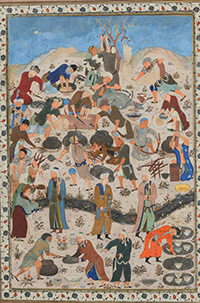
Medieval cookbooks present hundreds of recipes, including a surprising number for sparrow. But they tell us much more than about food; they provide a picture of life and manners. [/vc_column_text][mk_divider thickness=”1″ margin_top=”10″][vc_column_text]

By Steven Edwards

The annual 17勛圖meeting is a really big show, with hundreds of participants. But an analysis shows that those many hundreds of participants are linked in unusual ways. [/vc_column_text][mk_divider thickness=”1″ margin_top=”10″][vc_column_text]

By Lester L. Grabbe

Jesus is a ubiquitous figure but our textual perspectives are obviously skewed. What do non-Christian sources say about Jesus, his life and death?[/vc_column_text][mk_divider thickness=”1″ margin_top=”10″][vc_column_text]

Peqi���in Cave��� A unique Chalcolithic cemetery in the Southern Levant

By Dina Shalem

Over the course of 500 years people brought their dead to a cave in the Galilee. But behind the decorated faces on the ossuaries are there deeper secrets about the identity of the dead and even their origins? Read More泭[/vc_column_text][mk_divider thickness=”1″ margin_top=”10″][/vc_column_inner][/vc_row_inner][/vc_column][/vc_row]

The Archaeology of Conflict and Remembrance at Gallipoli

[vc_row fullwidth=”true” css=”.vc_custom_1486761987223{padding-top: 0px !important;padding-right: 0px !important;padding-bottom: 0px !important;padding-left: 0px !important;}”][vc_column][vc_single_image image=”39757″ img_size=”full”][/vc_column][/vc_row][vc_row fullwidth=”true” css=”.vc_custom_1487275830783{padding-top: 10px !important;padding-right: 0px !important;padding-bottom: 0px !important;padding-left: 0px !important;}”][vc_column width=”1/12″ css=”.vc_custom_1493002455400{margin-right: 10px !important;}” offset=”vc_hidden-md vc_hidden-sm vc_hidden-xs”][vc_column_text]

泭釦晨插賊楚

[/vc_column_text][mk_image src=”http://www.asortest.org/wp-content/uploads/2017/01/social-fb-icon4.jpg” image_width=”42″ image_height=”42″ hover=”false” custom_url=”https://www.facebook.com/ASOResearch/” margin_bottom=”0″][mk_image src=”http://www.asortest.org/wp-content/uploads/2017/01/social-tw-icon4.jpg” image_width=”42″ image_height=”42″ hover=”false” custom_url=”https://twitter.com/ASOResearch?ref_src=twsrc%5Egoogle%7Ctwcamp%5Eserp%7Ctwgr%5Eauthor” margin_bottom=”0″][mk_image src=”http://www.asortest.org/wp-content/uploads/2017/01/social-in-icon4.jpg” image_width=”42″ image_height=”42″ hover=”false” custom_url=”https://www.linkedin.com/company/american-schools-of-oriental-research” margin_bottom=”0″][mk_image src=”http://www.asortest.org/wp-content/uploads/2017/01/social-ml-icon_7.jpg” image_width=”42″ image_height=”42″ hover=”false” custom_url=”mailto:asor@bu.edu” margin_bottom=”0″][mk_image src=”http://www.asortest.org/wp-content/uploads/2017/01/blog-icon3.jpg” image_width=”42″ image_height=”42″ hover=”false” custom_url=”http://asorblog.org/” margin_bottom=”0″][/vc_column][vc_column border_color=”rgba(255,255,255,0.01)” width=”1/6″ css=”.vc_custom_1493004112151{margin-right: 20px !important;border-left-width: 2px !important;padding-right: 20px !important;padding-left: 20px !important;border-left-color: #99422f !important;}”][mk_divider divider_color=”rgba(255,255,255,0.01)” thickness=”1″ margin_top=”3″ margin_bottom=”3″][vc_widget_sidebar sidebar_id=”ca-sidebar-38125″ el_class=”.widget { overflow: hidden; margin-bottom: 0; }”][/vc_column][vc_column border_color=”rgba(170,170,170,0.01)” width=”8/12″ css=”.vc_custom_1487276122024{margin-right: 10px !important;margin-bottom: 30px !important;border-right-width: 2px !important;border-bottom-width: 2px !important;padding-top: 30px !important;padding-right: 30px !important;padding-left: 20px !important;background-color: #ffffff !important;border-right-color: rgba(227,228,228,0.75) !important;border-bottom-color: rgba(227,228,228,0.75) !important;}”][vc_column_text]

WELCOME TO THE 17勛圖BLOG

The American Schools of Oriental Research (ASOR) is the preeminent society for individuals interested in the archaeology of the eastern Mediterranean and the Biblical Lands. This blog is intended to facilitate ASOR���s泭mission泭���to initiate, encourage and support research into, and public understanding of, the cultures and history of the Near East from the earliest times.���[/vc_column_text][mk_divider thickness=”1″ margin_top=”10″][vc_row_inner][vc_column_inner][vc_column_text]

Organic Residue Analysis: Views from the Field

By: Zuzana Chovanec, Susanne Grieve, Laura Mazow

Organic Residue Analysis (ORA) from archaeological materials offers exciting prospects for researchers into how objects have been used by past cultures. While ORA is not a new presence in archaeology, developing technologies have made instrumentation more accessible and new collaborations between archaeologists, analytical chemists, and even conservators demonstrates the interdisciplinary nature of the subject. Those who are involved in ORA generally come from one of the following perspectives:

  • Chemist who is working with archaeologists
  • Archaeologist who is working with chemist
  • Archaeologist who trained to be an analytical chemist

In any collaborative research environment, each specialist brings a strength to the topic, but ORA raises the issue of what depth of understanding each specialist should have in the other���s field in order to facilitate effective communication of the research questions and priorities. 泭In order to better understand these perspectives, the authors each compiled some thoughts on their perspectives from their respective fields:

[/vc_column_text][/vc_column_inner][/vc_row_inner][vc_row_inner][vc_column_inner][vc_single_image image=”47612″ img_size=”full” add_caption=”yes” alignment=”center” css=”.vc_custom_1556231009386{padding-right: 10px !important;}”][/vc_column_inner][/vc_row_inner][vc_row_inner][vc_column_inner][vc_column_text]

What is important for archaeologists to know when they think ORA can benefit their research question?

(Chovanec) Archaeologists tend to be a progressive group, always looking for innovative approaches that can better inform and interpret their datasets. The explanatory potential of organic residue analysis can generate enthusiasm because it opens inquiry to a series of questions that may be minimally approachable using traditional archaeological methods. Archaeologists interested in incorporating ORA into their research programs should familiarize themselves with both the possibilities and limitations and have a basic understanding of the costs and timelines involved.

When trying to establish a collaborative research program between archaeologists and chemists, an effective approach is to develop research questions that interest and benefit both parties. For instance, chemists whose research involves the development of new analytical techniques may be interested in demonstrating the broad applications of the method and working with archaeological materials can be fruitful in this respect. However, archaeological research may constitute a side or low-priority project for the analytical chemists involved, which limits the amount of time that they are willing or able to commit. For this reason, it is advisable to have individuals on the archaeological research team that have had or will receive training in ORA analytical techniques and data analysis.

How do conservation processes interfere with ORA?

(Grieve) While conservators try to minimize the negative effects of cleaning processes and chemicals on archaeological materials, it can sometimes be necessary to restore artifacts for interpretation. Historically, these included acid baths to remove encrustations and irreversible adhesives to ensure strong joins. Some excavation sites include conservators on their teams and decisions about how treatments will interact with future analysis can be discussed on site. In cases where ORA has not been identified as a priority, the restoration may have already been completed (such as with artifacts on display in museums). While we are still trying to understand the impact of conservation materials and techniques on analytical processes, conservators should clearly document all of the chemicals and materials that are being used so that these can be tested in conjunction with organic residues for identification purposes.

What should analytical chemists appreciate most about the archaeological environment?

(Mazow) Archaeologists are used to working in unpredictable environments that seem the antithesis of the analytical chemists controlled laboratory. The flexibility that fieldwork requires adds another level of complication to the already large communication gap between the disciplines. Terms like ���sample,��� ���(non-) destructive��� and even ���clean��� all have different meanings in these diverse settings.[/vc_column_text][/vc_column_inner][/vc_row_inner][vc_row_inner][vc_column_inner][vc_single_image image=”47613″ img_size=”full” add_caption=”yes” alignment=”center” css=”.vc_custom_1556231045816{padding-right: 10px !important;}”][/vc_column_inner][/vc_row_inner][vc_row_inner][vc_column_inner][vc_column_text]Furthermore, the unknown and uncontrollable work environments that the archaeologist encounters when collecting potential residues multiply the contamination factors already introduced by the hundreds, if not thousands, of years since the sampled artifact was last in use���which is usually the object of the archaeologist���s research. Fortunately ORA is just one potential source of data that the archaeologist gathers when making an interpretation. It is usually as a result of questions raised by the archaeological context that the possibility of ORA data is even raised. ORA results, like artifacts or texts, do not stand as facts on their own but must be interpreted. A positive ORA result could be the smoking gun, but it is just one piece of evidence and must be placed within its archaeological context for it to have interpretive value. It may be because of this holistic approach that the degree of precision typically required in analytical chemistry is less decisive in archaeological inquiries. This is not to say that a high degree of precision is not beneficial, but in a highly degraded, highly contaminated ancient residue, it is also not expected. Nor is it the only piece of evidence on which the archaeological study is relying.

On Saturday, November 23rd at 8:20am during the 2013 17勛圖annual meeting, an will be presented that will feature speakers who utilize ORA processes in their research. and will review the variety of ORA techniques that are applied to archaeological materials with reference to a specific case study. will discuss his work with DNA analysis on amphora from a marine environment. will describe the nature of ORA as it pertains to an understanding of the burial environment and excavation and promote the value of context and chemistry. Dr. Laura Mazow will demonstrate the relationships between archaeologists and analytical scientists utilizing a case study of ancient ���bathtubs��� and will provide information on InfraRed and Raman spectroscopy technologies from an instrument representative���s perspective.

In conjunction with the workshop, several outreach platforms has been established to encourage discussion and promote ORA related topics:

Blog:

Twitter: #archORA

If you are a researcher who uses organic residue analysis in your project, we want to hear from you! Come to the 2013 17勛圖workshop or reach out through the blog site!

Author Bios:

Zuzana Chovanec recently received her doctorate in Anthropology from the University at Albany. Her research centers on prehistoric Cyprus, Gas Chromatography/Mass Spectrometry (GC/MS), and the use of psychoactive substances, perfumes, and medicines in the Mediterranean.

Susanne Grieve is the Director of Conservation at East Carolina University in the Department of History. She has a masters degree in conservation from the University College London and is an objects conservator who has worked in Cyprus, Israel, Haiti, Peru, South Africa, Namibia and Antarctica on the preservation of historical and archaeological materials.

Laura Mazow is an Assistant Professor in the Department of Anthropology at East Carolina University. Her research interests are investigating the function of Bronze and Iron Age bathtub installations, and reconstructing ancient textile technologies and related cross-craft interactions.[/vc_column_text][/vc_column_inner][/vc_row_inner][mk_divider thickness=”1″ margin_top=”10″][vc_row_inner][vc_column_inner][vc_column_text]All content provided on this blog is for informational purposes only. The American Schools of Oriental Research (ASOR) makes no representations as to the accuracy or completeness of any information on this blog or found by following any link on this blog. 17勛圖will not be liable for any errors or omissions in this information. 17勛圖will not be liable for any losses, injuries, or damages from the display or use of this information. The opinions expressed by Bloggers and those providing comments are theirs alone, and do not reflect the opinions of 17勛圖or any employee thereof.[/vc_column_text][/vc_column_inner][/vc_row_inner][/vc_column][/vc_row]

Archaeology Weekly Roundup! 11-15-13

[vc_row fullwidth=”true” css=”.vc_custom_1486761987223{padding-top: 0px !important;padding-right: 0px !important;padding-bottom: 0px !important;padding-left: 0px !important;}”][vc_column][vc_single_image image=”39757″ img_size=”full”][/vc_column][/vc_row][vc_row fullwidth=”true” css=”.vc_custom_1487275830783{padding-top: 10px !important;padding-right: 0px !important;padding-bottom: 0px !important;padding-left: 0px !important;}”][vc_column width=”1/12″ css=”.vc_custom_1493002455400{margin-right: 10px !important;}” offset=”vc_hidden-md vc_hidden-sm vc_hidden-xs”][vc_column_text]

泭釦晨插賊楚

[/vc_column_text][mk_image src=”http://www.asortest.org/wp-content/uploads/2017/01/social-fb-icon4.jpg” image_width=”42″ image_height=”42″ hover=”false” custom_url=”https://www.facebook.com/ASOResearch/” margin_bottom=”0″][mk_image src=”http://www.asortest.org/wp-content/uploads/2017/01/social-tw-icon4.jpg” image_width=”42″ image_height=”42″ hover=”false” custom_url=”https://twitter.com/ASOResearch?ref_src=twsrc%5Egoogle%7Ctwcamp%5Eserp%7Ctwgr%5Eauthor” margin_bottom=”0″][mk_image src=”http://www.asortest.org/wp-content/uploads/2017/01/social-in-icon4.jpg” image_width=”42″ image_height=”42″ hover=”false” custom_url=”https://www.linkedin.com/company/american-schools-of-oriental-research” margin_bottom=”0″][mk_image src=”http://www.asortest.org/wp-content/uploads/2017/01/social-ml-icon_7.jpg” image_width=”42″ image_height=”42″ hover=”false” custom_url=”mailto:asor@bu.edu” margin_bottom=”0″][mk_image src=”http://www.asortest.org/wp-content/uploads/2017/01/blog-icon3.jpg” image_width=”42″ image_height=”42″ hover=”false” custom_url=”http://asorblog.org/” margin_bottom=”0″][/vc_column][vc_column border_color=”rgba(255,255,255,0.01)” width=”1/6″ css=”.vc_custom_1493004112151{margin-right: 20px !important;border-left-width: 2px !important;padding-right: 20px !important;padding-left: 20px !important;border-left-color: #99422f !important;}”][mk_divider divider_color=”rgba(255,255,255,0.01)” thickness=”1″ margin_top=”3″ margin_bottom=”3″][vc_widget_sidebar sidebar_id=”ca-sidebar-38125″ el_class=”.widget { overflow: hidden; margin-bottom: 0; }”][/vc_column][vc_column border_color=”rgba(170,170,170,0.01)” width=”8/12″ css=”.vc_custom_1487276122024{margin-right: 10px !important;margin-bottom: 30px !important;border-right-width: 2px !important;border-bottom-width: 2px !important;padding-top: 30px !important;padding-right: 30px !important;padding-left: 20px !important;background-color: #ffffff !important;border-right-color: rgba(227,228,228,0.75) !important;border-bottom-color: rgba(227,228,228,0.75) !important;}”][vc_column_text]

WELCOME TO THE 17勛圖BLOG

The American Schools of Oriental Research (ASOR) is the preeminent society for individuals interested in the archaeology of the eastern Mediterranean and the Biblical Lands. This blog is intended to facilitate ASOR���s泭mission泭���to initiate, encourage and support research into, and public understanding of, the cultures and history of the Near East from the earliest times.���[/vc_column_text][mk_divider thickness=”1″ margin_top=”10″][vc_row_inner][vc_column_inner][vc_column_text]

Archaeology Weekly Roundup! 11-15-13

If you missed anything from the or pages this week, don���t worry. We���ve rounded up some of this week���s archaeology news into one convenient post. If we missed any major archaeological stories from this week, feel free to let us know in the comment section![/vc_column_text][/vc_column_inner][/vc_row_inner][vc_row_inner][vc_column_inner][vc_single_image image=”47685″ img_size=”full” alignment=”center” css=”.vc_custom_1556630976511{padding-right: 10px !important;}”][/vc_column_inner][/vc_row_inner][vc_row_inner][vc_column_inner][vc_column_text]

The 1,600-year-old coffin found last month is scheduled to be opened today. Experts believe the coffin is that of a Roman Britain child, and that it represents an early example of Christian burial.

145 ancient Dacian gold coins will be returned to Romania as evidence for a court trial.

Archaeologists say that the discovery of unused Bronze Age cists suggests they were built in anticipation of use, showing the forethought and planning of an individuals burial after death.

Human remains from the 12th to 18th century have been discovered on the campus of one of the oldest schools Europe, confirming it was a cemetery during the Middle Ages.

Over the weekend, a fifth-century A.D. Roman statue was stolen from the Early-Christian Museum in Carthage.

Archaeology enthusiasts in Finland discovered an early crusader that was buried with two swords from different eras.

Researchers say that chili peppers may have been used to make spicy beverages in Mexico more than 2,000 years ago.

A new exhibition at at the Regional Historical Museum of Ensenada tells the story of a young Late Post Classic period Mixtec woman from the study of her skeleton.

Archaeologists and U.S. Navy divers are planning to raise the Civil War ironclad ship, the CSS Georgia, from the Savannah River. The project is estimated to cost the U.S. Army Corps of Engineers roughly $9.5 million.

Underwater archaeologists are using the latest techniques to survey the Battle of the Egadi, the first ancient naval battle site to be discovered in its entirety.

Now, an Egyptologist and forensic scientists believe the embalming oils used in King Tutankhamun���s mummification caused a chemical reaction resulting in the spontaneous combustion of his body sealed in his coffin.[/vc_column_text][mk_divider thickness=”1″ margin_top=”10″][/vc_column_inner][/vc_row_inner][vc_row_inner][vc_column_inner][vc_column_text]All content provided on this blog is for informational purposes only. The American Schools of Oriental Research (ASOR) makes no representations as to the accuracy or completeness of any information on this blog or found by following any link on this blog. 17勛圖will not be liable for any errors or omissions in this information. 17勛圖will not be liable for any losses, injuries, or damages from the display or use of this information. The opinions expressed by Bloggers and those providing comments are theirs alone, and do not reflect the opinions of 17勛圖or any employee thereof.[/vc_column_text][/vc_column_inner][/vc_row_inner][/vc_column][/vc_row]

Post Template 47

[vc_row fullwidth=”true” attached=”true” css=”.vc_custom_1496247803139{padding-top: 0px !important;padding-right: 0px !important;padding-bottom: 0px !important;padding-left: 0px !important;}”][vc_column][vc_single_image image=”33852″ img_size=”full” alignment=”center”][/vc_column][/vc_row][vc_row fullwidth=”true” css=”.vc_custom_1496682730308{padding-top: 10px !important;padding-right: 0px !important;padding-bottom: 0px !important;padding-left: 0px !important;}”][vc_column width=”1/12″ css=”.vc_custom_1496683820796{margin-right: 10px !important;}” offset=”vc_hidden-md vc_hidden-sm vc_hidden-xs”][vc_column_text]

泭釦晨插賊楚

[/vc_column_text][mk_image src=”http://www.asortest.org/wp-content/uploads/2017/01/social-fb-icon4.jpg” image_width=”42″ image_height=”42″ hover=”false” custom_url=”https://www.facebook.com/ASOResearch/” margin_bottom=”0″][mk_image src=”http://www.asortest.org/wp-content/uploads/2017/01/social-tw-icon4.jpg” image_width=”42″ image_height=”42″ hover=”false” custom_url=”https://twitter.com/ASOResearch?ref_src=twsrc%5Egoogle%7Ctwcamp%5Eserp%7Ctwgr%5Eauthor” margin_bottom=”0″][mk_image src=”http://www.asortest.org/wp-content/uploads/2017/01/social-in-icon4.jpg” image_width=”42″ image_height=”42″ hover=”false” custom_url=”https://www.linkedin.com/company/american-schools-of-oriental-research” margin_bottom=”0″][mk_image src=”http://www.asortest.org/wp-content/uploads/2017/01/social-ml-icon_7.jpg” image_width=”42″ image_height=”42″ hover=”false” custom_url=”mailto:info@asor.org” margin_bottom=”0″][mk_image src=”http://www.asortest.org/wp-content/uploads/2017/01/blog-icon3.jpg” image_width=”42″ image_height=”42″ hover=”false” custom_url=”http://asor.org/blog” margin_bottom=”0″][/vc_column][vc_column border_color=”rgba(255,255,255,0.01)” width=”1/6″ css=”.vc_custom_1496683923840{margin-right: 20px !important;border-left-width: 2px !important;padding-right: 20px !important;padding-left: 20px !important;border-left-color: #99422f !important;}”][mk_divider divider_color=”rgba(255,255,255,0.01)” thickness=”1″ margin_top=”3″ margin_bottom=”3″][vc_column_text]

NEWS@17勛圖E-NEWSLETTER

ANCIENT NEAR EAST TODAY E-NEWSLETTER

PAST 17勛圖NEWS, MONTH BY MONTH

17勛圖ANNUAL MEETING

[/vc_column_text][/vc_column][vc_column border_color=”rgba(170,170,170,0.01)” width=”1/2″ css=”.vc_custom_1487276122024{margin-right: 10px !important;margin-bottom: 30px !important;border-right-width: 2px !important;border-bottom-width: 2px !important;padding-top: 30px !important;padding-right: 30px !important;padding-left: 20px !important;background-color: #ffffff !important;border-right-color: rgba(227,228,228,0.75) !important;border-bottom-color: rgba(227,228,228,0.75) !important;}”][vc_column_text responsive_align=”left”]

POST TITLE

[/vc_column_text][mk_divider][vc_wp_text]Lorem ipsum dolor sit amet, consectetur adipiscing elit, sed do eiusmod tempor incididunt ut labore et dolore magna aliqua. Ut enim ad minim veniam, quis nostrud exercitation ullamco laboris nisi ut aliquip ex ea commodo consequat. Duis aute irure dolor in reprehenderit in voluptate velit esse cillum dolore eu fugiat nulla pariatur. Excepteur sint occaecat cupidatat non proident, sunt in culpa qui officia deserunt mollit anim id est laborum.

The editors at the 2019 Annual Meeting in San Diego.

Lorem ipsum dolor sit amet, consectetur adipiscing elit, sed do eiusmod tempor incididunt ut labore et dolore magna aliqua. Ut enim ad minim veniam, quis nostrud exercitation ullamco laboris nisi ut aliquip ex ea commodo consequat. Duis aute irure dolor in reprehenderit in voluptate velit esse cillum dolore eu fugiat nulla pariatur. Excepteur sint occaecat cupidatat non proident, sunt in culpa qui officia deserunt mollit anim id est laborum.

Lorem ipsum dolor sit amet, consectetur adipiscing elit, sed do eiusmod tempor incididunt ut labore et dolore magna aliqua. Ut enim ad minim veniam, quis nostrud exercitation ullamco laboris nisi ut aliquip ex ea commodo consequat. Duis aute irure dolor in reprehenderit in voluptate velit esse cillum dolore eu fugiat nulla pariatur. Excepteur sint occaecat cupidatat non proident, sunt in culpa qui officia deserunt mollit anim id est laborum.
Lorem ipsum dolor sit amet, consectetur adipiscing elit, sed do eiusmod tempor incididunt ut labore et dolore magna aliqua. Ut enim ad minim veniam, quis nostrud exercitation ullamco laboris nisi ut aliquip ex ea commodo consequat. Duis aute irure dolor in reprehenderit in voluptate velit esse cillum dolore eu fugiat nulla pariatur. Excepteur sint occaecat cupidatat non proident, sunt in culpa qui officia deserunt mollit anim id est laborum.[/vc_wp_text][/vc_column][vc_column border_color=”rgba(170,170,170,0.01)” width=”1/6″ css=”.vc_custom_1496684098866{margin-right: 5px !important;margin-bottom: 20px !important;border-right-width: 2px !important;border-bottom-width: 2px !important;padding-top: 30px !important;padding-right: 10px !important;padding-left: 10px !important;background-color: #ffffff !important;border-right-color: rgba(227,228,228,0.75) !important;border-bottom-color: rgba(227,228,228,0.75) !important;}”][vc_wp_posts title=”BROWSE THE NEWS ARCHIVE” number=”4″][/vc_column][vc_column border_color=”rgba(170,170,170,0.01)” width=”1/6″ css=”.vc_custom_1496684008271{margin-right: 10px !important;margin-bottom: 30px !important;border-right-width: 2px !important;border-bottom-width: 2px !important;padding-top: 30px !important;padding-right: 20px !important;padding-left: 20px !important;background-color: #ffffff !important;border-right-color: rgba(227,228,228,0.75) !important;border-bottom-color: rgba(227,228,228,0.75) !important;}”][vc_column_text] [/vc_column_text][/vc_column][/vc_row]

17勛圖CODE OF CONDUCT FOR FIELDWORK PROJECTS

17勛圖CODE OF CONDUCT FOR FIELDWORK PROJECTS

I. Statement of Purpose and Principles

Archaeological fieldwork is an important element of training and professional practice for many 17勛圖members. The special conditions and challenges of fieldwork combine separation from familiar institutional resources and support systems with intensive academic and social interaction. Archaeological fieldwork also takes place in settings with varied norms and laws. These contexts require that those leading archaeological fieldwork take extra care to avoid violations of professional conduct.

The rules and standards of our home institutions for appropriate workplace behavior apply to these fieldwork settings. U.S. colleges and universities that receive federal funds are further bound by Title IX protections against sex discrimination.[1] Beyond these policies, since 2015, ASOR���s has held up the expectation that members ���refuse to practice discrimination based on categories such as gender, religion, age, race, disability, and sexual orientation in assembling a research team��� (paragraph III.C.4), and ���take all necessary steps to minimize personal risks and hazards to co-workers, the public, and the environment; including, but not limited to, avoiding harassment based on categories noted in paragraph C.4; and developing action plans in the event of civil or military disturbance, or injury��� (paragraph III.C.5). This document takes gender to include real or perceived gender identity and adds the other federally-protected categories of familial status (i.e., marital and parental situation, including pregnancy), color, and national origin.

This document is intended as a resource for all participants in ASOR-affiliated fieldwork projects. It outlines ASOR���s expectations for ethical conduct in the field and recommends the implementation of best practices by which projects can promote the safety and well-being of all members, avoid conduct violations, and respond appropriately to problems that arise. 17勛圖is not the adjudicating body for violations of these standards; however 17勛圖members, all persons involved in ASOR-affiliated projects, and all persons interacting with ASOR-funded field students are expected to adhere to these guidelines.

II. Defining the Problem

Recent studies, including the ���Survey on Field Safety: Middle East, North Africa, and Mediterranean Basin,���[2] have shown that harassment, discrimination, bullying, and even assault are common experiences in fieldwork settings among both female and male participants.[3] Such behavior includes unwanted physical contact; negative, inappropriate, or intimidating comments regarding real or perceived gender, sexual orientation, familial status, race, color, national origin, religion, age, or disability; and inequitable access to fieldwork assignments and opportunities on the basis of these characteristics. Female respondents experienced these behaviors more often than males, and more commonly from senior project participants, while male respondents most commonly experienced them from peers.[4] Further discriminatory and alienating behaviors and situations sometimes found on field sites include a) different sets of rules and experiences for male and female project participants; b) gendered divisions of labor (for example, assigning shopping and cooking labor to female project participants);[5] c) unnecessary tests of physical prowess and endurance;[6] d) requiring participants with family obligations to be present for the entirety of very long field seasons; and e) unnecessarily forbidding children of participants to be present on projects.[7]

The consequences of these negative experiences, especially those perpetrated by superiors, can be very grave both for individuals��� well-being and for their careers, contributing to systemic disparities in professional outcomes.[8] Yet many fieldwork projects lack basic provisions for the prevention and management of conduct violations, including a clear code of conduct, reporting structures, and/or consequences for violations.[9] The presence of explicit rules regarding appropriate behavior and clear and observable enforcement of these rules results in more positive field experiences for project participants.[10] In addition, it is important to have multiple individuals to whom violations of policies can be reported and to provide examples of unacceptable behavior to student participants, who may not know exactly what constitutes appropriate professional behavior versus harassment or bullying.[11]

Furthermore, in the countries of the Middle East and wider Mediterranean where ASOR-affiliated projects take place, political volatility and military conflict have increased in the last decade. These developments require project leaders to plan for and respond to potential changes that affect the safety of the field team, according to governmental recommendations, the policies of sponsoring institutions, and norms of reasonable risk-taking. In such situations, conflicts over the appropriate course of action can arise among project participants that must be mediated in ways that minimize negative consequences for all.

The data collected by these recent studies concerning negative behavior in fieldwork settings[12] have been used to make several recommendations for how principal investigators, field directors, and others in positions of authority within field projects can help ensure that field participants have a safe and positive experience. 17勛圖members should take these best practices into account when planning, carrying out, or participating in fieldwork.

III. Guidelines for the Promotion of Safety and Ethical Conduct in Fieldwork Settings

17勛圖members endeavor to establish a professional, safe, and non-discriminatory environment for archaeological field research.

Regarding discrimination, 17勛圖members should:

  • Refuse to practice discrimination based on the categories of race, color, religion, national origin, gender, sexual orientation, age, disability, and familial status including pregnancy in assembling a research team;
  • Allocate fieldwork opportunities and responsibilities regardless of gender and the other above-mentioned categories, except where precluded by local regulations;
  • When the need arises and conditions allow, permit participants��� children to accompany them to the project;
  • Avoid discrimination against project members whose family obligations do not allow their presence throughout long field seasons, where possible within institutional rules and grant guidelines, as well as logistical and budgetary constraints;

Regarding harassment, bullying, and violence, 17勛圖members should:

  • Educate themselves and other supervisory staff regarding a) signs of intolerance, harassment, or discrimination, b) their ethical responsibilities for safe and effective intervention and reporting misconduct, c) the policies and procedures of the project���s sponsoring institution(s) (e.g., university, museum, agency, or private nonprofit), and d) the laws and emergency procedures in the fieldwork area;
  • Establish field-site procedures, guidelines, and resources pertaining to harassment, bullying, intimidation, and violence that adhere to the policies of the project���s sponsoring institution(s) and/or local institutions in the fieldwork area and that include multiple identified individuals to whom misconduct can be reported and clear consequences for conduct violations;
  • Communicate to all project members before the start of fieldwork, in both written and oral form (including in the relevant local language, when advisable), the following: appropriate behaviors and potential forms of misconduct, including participants��� rights and obligations, procedures for reporting violations of project policies, consequences for violations, and the following definition of harassment: harassment is conduct that unreasonably interferes with an individual���s work or educational performance, or creates ���a work environment that would be intimidating, hostile, or offensive to reasonable people.���[13] Sexual harassment is ���unwelcome sexual advances, requests for sexual favors, and other verbal or physical conduct of a sexual nature, when this conduct explicitly or implicitly affects a person���s employment��� or education.[14]

Regarding safety, 17勛圖members should:

  • Take all necessary steps to minimize personal and health risks and hazards to project members, including taking extra precautions in case emergency services are unavailable at the field site (e.g., bringing a health professional), monitoring the security situation and keeping in contact with officials in the home and host countries, and making an evacuation plan;
  • Provide clear on-site safety and health-care procedures and guidelines, including contact information for emergency services, in both written and oral form (including in the relevant local language, when advisable);
  • Respect the ability of project participants and their families to make different informed evaluations of current political and military situations and their implications for safety and to reconsider their fieldwork participation accordingly, even in the midst of a field season;
  • Treat individuals equally who choose to leave or withdraw their project participation because of political or safety concerns and support these individuals equally with regard to their future project participation and/or career advancement;

Finally, 17勛圖members endeavor to promote understanding of and adherence to the guidelines contained in this Code of Conduct and foster a culture of tolerance and respect while conducting fieldwork.

泭


[1] For more information about the requirements of Title IX, see U.S. Department of Education, ���.���

[2] Nakhai, B.A. 2017a. ���.��� genderstudies.science, May 21, 2017; ead. 2017b. ���.��� The International Association for Assyriology, July 17, 2017.

[3] Clancy, K.B.H., R.G. Nelson, J.N. Rutherford, and K. Hinde. 2014. ���Survey of Academic Field Experiences (SAFE): Trainees Report Harassment and Assault.��� PLOS ONE 9(7). doi:10.1371/journal.pone.0102172; Nelson Robin G., Rutherford Julienne N., Hinde Katie, and Clancy Kathryn B. H. 2017. ���Signaling Safety: Characterizing Fieldwork Experiences and Their Implications for Career Trajectories.��� American Anthropologist 119(4):710���22. doi:10.1111/aman.12929; Rocks-MacQueen, Doug. April 14, 2018. ���.��� Doug���s Archaeology: Investigating the Profession and Research; Meyers, M.S., E.T. Horton, E.A. Boudreaux, S.B. Carmody, A.P. Wright, and V.J. Dekle. 2018. ���.��� Advances in Archaeological Practice. doi:10.1017/aap.2018.23

[4] Clancy et al. 2014.

[5] Meyers et al. 2018.

[6] Nelson et al. 2017.

[7] Family separation during long field seasons is an important reason that people in field-based disciplines change careers, are discouraged from entering such fields, or decide to forgo having children, and this problem disproportionately affects women (Lynn, C. D., M. E. Howells, and M. J. Stein. 2018. Family and the Field: Expectations of a Field-Based Research Career Affect Researcher Family Planning Decisions. PLOS ONE 13(9). doi: 10.1371/journal.pone.0203500).

[8] Nelson et al. 2017泭; Meyers et al. 2018

[9] Nakhai 2017a; 2017b; Meyers et al. 2018

[10] Clancy et al. 2014; Nelson et al. 2017.

[11] Muckle, R. J. 2014. . SAA Archaeological Record 14 (5): 32-33. .

[12] Clancy et al. 2014; Nelson et al. 2017; for a summary, see also Muckle 2014.

[13]U.S. Equal Employment Opportunity Commission, ���.���

[14] U.S. Equal Employment Opportunity Commission, ���.���

17勛圖DEFINITION OF INITIAL PUBLICATION

DEFINITION OF “INITIAL PUBLICATION OR ANNOUNCEMENT”

I. The Starting Point

According to the 17勛圖Policy on Professional Conduct, Section III.E.4, the publications and presentation venues of 17勛圖shall not serve as the initial place of publication or announcement of any object acquired by an individual or institution after April 24, 1972, (1) which is the date of entry into force of the 1970 UNESCO Convention on the Means of Prohibiting and Preventing the Illicit Import, Export and Transfer of Ownership of Cultural Property, with the following exceptions:

  • a. the object was documented as already being in a collection before April 24,1972; and further, if that object is no longer in its country of origin, it must have been legally exported;
  • b. the object was acquired after April 24, 1972 but it is considered to be a forgery and is published as a forgery;
  • c. the object���s publication or announcement serves primarily to emphasize the degradation of archaeological heritage.

II. The Problem

Not defined here is what counts as an initial place of publication or announcement of such an object, and therefore it is unclear what sort of prior publication or announcement would need to have been made before an object could subsequently be presented at an 17勛圖meeting or published in an 17勛圖journal or monograph.

III. A Definition

Vehicle/Venue: Any one of the elements below constitutes a vehicle or venue for an ���initial publication or announcement���:

  • A peer-reviewed or similarly vetted publication in a scholarly book or journal, whether in print or online, that conforms to the specifications detailed under “Form” below.
  • A peer-reviewed or similarly vetted presentation at a meeting of a learned society, whether in a paper or on a poster, that conforms to the specifications detailed under “Form” below.
  • Publication in a scholarly catalog, whether in print or online, that conforms to the specifications detailed under “Form” below. “Scholarly catalogue” in this context refers to a catalog produced by an academically affiliated or educationally oriented organization (e.g., a museum catalog), and not catalogs produced by for profit and/or commercial organizations (e.g., an auction house catalog). Moreover, for a museum’s catalog to be considered a scholarly catalog, the museum would need to adhere to acquisition practices consistent with those stated in the 17勛圖Policy on Professional Conduct.

Form: Within the vehicles above, initial publication or announcement must include (1) an illustration (e.g., a photograph, a drawing, or similar graphic), (2) along with a commentary specific to the object (such as dimensions and a description, including, as applicable, details of ware and decoration and details regarding production technology). Initial publication or announcement of epigraphic material should also include (3) a transcription, and (4) if appropriate, a translation. Initial publication or announcement does not attach if an object is only referenced generally, for example, by its purchase, owner, or as part of an unspecified cache (e.g., “X purchased a hoard of 100 artifacts/coins/ostraca/papyri, etc.”).

Citation: In order to ensure that any object acquired by an individual or institution through purchase or donation after April 24, 1972, has been previously published or announced, the place of initial publication or announcement should be cited in the abstract submitted for a paper or poster to be presented in the Annual Meeting or in a footnote following the first mention of said object in an article or monograph submitted for publication in an 17勛圖journal or monograph series.

IV. Oversight

Decisions regarding the application of this policy reside with the Annual Meeting Section Chairs and, finally, with the Programs Committee (for papers or posters proposed for presentation at the 17勛圖Annual Meeting); with the editorial boards of BASOR, JCS, NEA, AASOR, and ARS and, finally, with the Publications Committee (for articles and monographs submitted for publication in 17勛圖publications); and with the Honors and Awards Committee (for books submitted for the various 17勛圖book awards).

泭


(1) Which is to say: any object acquired by an individual or institution through purchase or donation after April 24, 1972; this policy does not refer to legally excavated objects that are among, say, materials added to the collection of a museum within the objects’ country of origin after April 24, 1972, nor does it refer to illegally exported objects that are returned to the objects’ country of origin after April 24, 1972.

The early bronze age ��ad覺r h繹y羹k Metals in the Context of Central Anatolian Metallurgy [VIDEO]

[vc_row fullwidth=”true” css=”.vc_custom_1486761987223{padding-top: 0px !important;padding-right: 0px !important;padding-bottom: 0px !important;padding-left: 0px !important;}”][vc_column][vc_single_image image=”39757″ img_size=”full”][/vc_column][/vc_row][vc_row fullwidth=”true” css=”.vc_custom_1487275830783{padding-top: 10px !important;padding-right: 0px !important;padding-bottom: 0px !important;padding-left: 0px !important;}”][vc_column width=”1/12″ css=”.vc_custom_1493002455400{margin-right: 10px !important;}” offset=”vc_hidden-md vc_hidden-sm vc_hidden-xs”][vc_column_text]

泭釦晨插賊楚

[/vc_column_text][mk_image src=”http://www.asortest.org/wp-content/uploads/2017/01/social-fb-icon4.jpg” image_width=”42″ image_height=”42″ hover=”false” custom_url=”https://www.facebook.com/ASOResearch/” margin_bottom=”0″][mk_image src=”http://www.asortest.org/wp-content/uploads/2017/01/social-tw-icon4.jpg” image_width=”42″ image_height=”42″ hover=”false” custom_url=”https://twitter.com/ASOResearch?ref_src=twsrc%5Egoogle%7Ctwcamp%5Eserp%7Ctwgr%5Eauthor” margin_bottom=”0″][mk_image src=”http://www.asortest.org/wp-content/uploads/2017/01/social-in-icon4.jpg” image_width=”42″ image_height=”42″ hover=”false” custom_url=”https://www.linkedin.com/company/american-schools-of-oriental-research” margin_bottom=”0″][mk_image src=”http://www.asortest.org/wp-content/uploads/2017/01/social-ml-icon_7.jpg” image_width=”42″ image_height=”42″ hover=”false” custom_url=”mailto:asor@bu.edu” margin_bottom=”0″][mk_image src=”http://www.asortest.org/wp-content/uploads/2017/01/blog-icon3.jpg” image_width=”42″ image_height=”42″ hover=”false” custom_url=”http://asorblog.org/” margin_bottom=”0″][/vc_column][vc_column border_color=”rgba(255,255,255,0.01)” width=”1/6″ css=”.vc_custom_1493004112151{margin-right: 20px !important;border-left-width: 2px !important;padding-right: 20px !important;padding-left: 20px !important;border-left-color: #99422f !important;}”][mk_divider divider_color=”rgba(255,255,255,0.01)” thickness=”1″ margin_top=”3″ margin_bottom=”3″][vc_widget_sidebar sidebar_id=”ca-sidebar-38125″ el_class=”.widget { overflow: hidden; margin-bottom: 0; }”][/vc_column][vc_column border_color=”rgba(170,170,170,0.01)” width=”8/12″ css=”.vc_custom_1487276122024{margin-right: 10px !important;margin-bottom: 30px !important;border-right-width: 2px !important;border-bottom-width: 2px !important;padding-top: 30px !important;padding-right: 30px !important;padding-left: 20px !important;background-color: #ffffff !important;border-right-color: rgba(227,228,228,0.75) !important;border-bottom-color: rgba(227,228,228,0.75) !important;}”][vc_column_text]

WELCOME TO THE 17勛圖BLOG

The American Schools of Oriental Research (ASOR) is the preeminent society for individuals interested in the archaeology of the eastern Mediterranean and the Biblical Lands. This blog is intended to facilitate ASOR���s泭mission泭���to initiate, encourage and support research into, and public understanding of, the cultures and history of the Near East from the earliest times.���[/vc_column_text][mk_divider thickness=”1″ margin_top=”10″][vc_row_inner][vc_column_inner][vc_column_text]

The early bronze age ��ad覺r h繹y羹k Metals in the Context of Central Anatolian Metallurgy

Don���t forget to check out our YouTube channel ! Just click the subscribe button below!

Every year at the 17勛圖Annual Meeting, the takes place. It���s an ideal opportunity to see the types of projects (both field and publication) that 17勛圖members are involved with. At the 2013 17勛圖Annual Meeting, 泭Stefano Spagni (Sapienza ��� Universit�� di Roma, Roma, Italy) presented his poster, ���The early bronze age ��ad覺r h繹y羹k Metals in the Context of Central Anatolian Metallurgy.���[/vc_column_text][/vc_column_inner][/vc_row_inner][vc_row_inner][vc_column_inner][vc_single_image image=”47057″ img_size=”full” add_caption=”yes”][/vc_column_inner][/vc_row_inner][vc_row_inner][vc_column_inner][vc_column_text]The Early Bronze Age metal artefacts of ��ad覺r H繹y羹k are few in number but extremely important to define and complete the picture of the metal production in Central Anatolia. The categories present in the site so far are tools and ornaments; interestingly, we can notice an early use of tools that are not represented in Central Anatolia in that interval of time or in most of Eastern Anatolia���where they spread out in the EBA II. The presence of a nail, some awls and a couple of rings (though coming from mixed contexts) attests that metal is very important for practical activities. At the same time, ornaments whose features well match the general typology of metal types for the area are well represented and add important data about the diffusion of metal types in Anatolia. While some types of pin are typical of central Anatolia, others are comparable with items from the Black Sea region and Cilicia, from eastern Anatolia and the Van region (together with some more from the Kura Araks culture) and from the Middle Euphrates area. All the objects suggest a deep knowledge of metal for the metalsmiths of ��ad覺r; if produced in situ, the copper laminae could provide further evidence.

We are currently accepting (until August 1st) poster abstracts for the in San Diego, CA, and if you you���ll receive a discounted registration price.

If you liked this post and want more like it, let us know! Be sure to share this post on Facebook, and tweet it out on Twitter! As always, we���d love to hear from you! If you plan to present a poster or paper at the Annual Meeting, let us know by leaving a comment below. Be sure to us on Facebook, us on Twitter, and to us on YouTube to stay updated on all things ASOR.

[/vc_column_text][mk_divider thickness=”1″ margin_top=”10″][/vc_column_inner][/vc_row_inner][vc_row_inner][vc_column_inner][vc_column_text]All content provided on this blog is for informational purposes only. The American Schools of Oriental Research (ASOR) makes no representations as to the accuracy or completeness of any information on this blog or found by following any link on this blog. 17勛圖will not be liable for any errors or omissions in this information. 17勛圖will not be liable for any losses, injuries, or damages from the display or use of this information. The opinions expressed by Bloggers and those providing comments are theirs alone, and do not reflect the opinions of 17勛圖or any employee thereof.[/vc_column_text][/vc_column_inner][/vc_row_inner][/vc_column][/vc_row]

WEBSITE AND SOCIAL MEDIA PRIVACY POLICY

[vc_row fullwidth=”true” css=”.vc_custom_1490224714943{padding-top: 0px !important;padding-right: 0px !important;padding-bottom: 0px !important;padding-left: 0px !important;}”][vc_column][vc_single_image image=”30753″ img_size=”full” alignment=”center”][/vc_column][/vc_row][vc_row css=”.vc_custom_1490367178671{margin-bottom: 20px !important;padding-top: 0px !important;padding-right: 0px !important;padding-bottom: 0px !important;padding-left: 0px !important;}”][vc_column][vc_column_text][/vc_column_text][/vc_column][/vc_row][vc_row fullwidth=”true” css=”.vc_custom_1490225468623{padding-top: 0px !important;padding-right: 0px !important;padding-bottom: 0px !important;padding-left: 0px !important;}”][vc_column width=”1/12″ css=”.vc_custom_1490225195470{margin-right: 10px !important;}” offset=”vc_hidden-sm vc_hidden-xs”][vc_column_text]

泭 SHARE

[/vc_column_text][mk_image src=”http://www.asortest.org/wp-content/uploads/2017/01/social-fb-icon4.jpg” image_width=”42″ image_height=”42″ hover=”false” custom_url=”https://www.facebook.com/ASOResearch/” margin_bottom=”0″][mk_image src=”http://www.asortest.org/wp-content/uploads/2017/01/social-tw-icon4.jpg” image_width=”42″ image_height=”42″ hover=”false” custom_url=”https://twitter.com/ASOResearch?ref_src=twsrc%5Egoogle%7Ctwcamp%5Eserp%7Ctwgr%5Eauthor” margin_bottom=”0″][mk_image src=”http://www.asortest.org/wp-content/uploads/2017/01/social-in-icon4.jpg” image_width=”42″ image_height=”42″ hover=”false” custom_url=”https://www.linkedin.com/company/american-schools-of-oriental-research” margin_bottom=”0″][mk_image src=”http://www.asortest.org/wp-content/uploads/2017/01/social-ml-icon_7.jpg” image_width=”42″ image_height=”42″ hover=”false” custom_url=”mailto:asor@bu.edu” margin_bottom=”0″][mk_image src=”http://www.asortest.org/wp-content/uploads/2017/01/blog-icon3.jpg” image_width=”42″ image_height=”42″ hover=”false” custom_url=”http://asorblog.org/” margin_bottom=”0″][/vc_column][vc_column border_color=”rgba(255,255,255,0.01)” width=”1/6″ css=”.vc_custom_1490365673198{margin-right: 20px !important;border-left-width: 2px !important;padding-right: 20px !important;padding-left: 20px !important;border-left-color: #99422f !important;}” el_class=”sticky-sidenav”][mk_divider divider_color=”rgba(255,255,255,0.01)” thickness=”1″ margin_top=”3″ margin_bottom=”3″][vc_widget_sidebar sidebar_id=”ca-sidebar-37703″ el_class=”.widget { overflow: hidden; margin-bottom: 0; }”][/vc_column][vc_column border_color=”rgba(170,170,170,0.01)” width=”1/2″ css=”.vc_custom_1490225606852{margin-right: 10px !important;margin-bottom: 30px !important;border-right-width: 2px !important;border-bottom-width: 2px !important;padding-top: 30px !important;padding-right: 30px !important;padding-left: 20px !important;background-color: #ffffff !important;border-right-color: rgba(227,228,228,0.75) !important;border-bottom-color: rgba(227,228,228,0.75) !important;}”][vc_column_text responsive_align=”left”]

WEBSITE AND SOCIAL MEDIA PRIVACY POLICY

The American Schools of Oriental Research (ASOR) is committed to providing a secure private environment for its website and social media users, customers, and friends to communicate and carry out transactions online. 17勛圖does not use illegal or misleading methods to mine public data. All data is obtained through normal business practices including, but not limited to, membership applications, online registrations, online purchases, event registrations, purchased lists, and trade shows. 17勛圖member data is occasionally shared with partner learned societies and other non簫profits and is sometimes rented to external vendors for bulk solicitations only.

This page summarizes our current information gathering and dissemination practices.

Mailing Address Privacy

17勛圖collects names, mailing addresses, telephone numbers, and other information (including demographic) to contact members, conduct business, and enhance services. 17勛圖occasionally rents mailing addresses to advertisers for one簫-time use but does not release telephone numbers. 17勛圖maintains systems that guard against unauthorized or multiple uses of addresses.

Cookies

When a person visits our website or the 17勛圖Blog, a temporary cookie (or file) is used to aid navigation on our website, but the cookie is not used to collect information. 17勛圖does not use tracking cookies or third party cookies.

Credit Card Information

When purchasing a product or service online, users are asked to provide a credit card number to complete their transaction. 17勛圖does not store credit card information after the transaction is complete, however, it does maintain a reference number provided by its credit card gateway, PayPal. 17勛圖follows Payment Card Industry (PCI) standards for all online and paper sales, and this practice is accepted by PCI.

E簫mail Address Privacy

E簫mail addresses are used to correspond with individuals regarding 17勛圖and Membership information, to communicate with those who write for ASOR, attend our meetings or events, and with those who subscribe to 17勛圖journals and e簫newsletter(s), which may be distributed through e簫mail. You may opt out of e簫mails by changing your profile in our e簫mail software system, Informz. On occasion, 17勛圖may also send e簫mails on behalf of publishers and other advertisers of interest to 17勛圖members. All such e簫mails are marked as originating from ASOR. To opt out of receiving these e簫mails, click the opt簫out link on the bottom of the e簫mail or contact 17勛圖Membership and Subscriber Services. 17勛圖occasionally rents e簫mail lists, and it maintains systems that guard against unauthorized or multiple uses of e簫mails in these instances.

External Links

As a service to users, our website and the 17勛圖Blog include links to other sites of interest. 17勛圖is not responsible for the content of non簫-17勛圖sites and disclaims all liability for damages arising out of their use or for their privacy policies.

Accessing and Updating Your Information

All records in our database are accessible online by 17勛圖but not by outside parties. Individuals may access their personal information by logging into a personal account. Current 17勛圖members may also access an 17勛圖membership directory containing names and addresses of 17勛圖members who have not opted out of the membership directory. To modify your information or to opt out of any of ASOR���s communications, or e簫mail our membership specialist. You can also call or e簫mail 17勛圖using the contact information at the end of this document.

Contact Us

American Schools of Oriental Research
James F. Strange Center
209 Commerce Street
Alexandria, VA泭 22314

E-mail:泭info@asor.org
Telephone: 703-789-9229[/vc_column_text][/vc_column][vc_column border_color=”rgba(170,170,170,0.01)” width=”1/6″ css=”.vc_custom_1490573335712{margin-right: 10px !important;margin-bottom: 30px !important;border-right-width: 2px !important;border-bottom-width: 2px !important;padding-top: 30px !important;padding-right: 20px !important;padding-left: 20px !important;background-color: #ffffff !important;border-right-color: rgba(227,228,228,0.75) !important;border-bottom-color: rgba(227,228,228,0.75) !important;}”][vc_wp_posts title=”BROWSE THE NEWS ARCHIVE” number=”4″][/vc_column][vc_column border_color=”rgba(170,170,170,0.01)” width=”1/6″ css=”.vc_custom_1490225688999{margin-right: 10px !important;margin-bottom: 30px !important;border-right-width: 2px !important;border-bottom-width: 2px !important;padding-top: 30px !important;padding-right: 30px !important;padding-left: 20px !important;background-color: #ffffff !important;border-right-color: rgba(227,228,228,0.75) !important;border-bottom-color: rgba(227,228,228,0.75) !important;}”][vc_column_text] [/vc_column_text][/vc_column][/vc_row][vc_row][vc_column][vc_column_text]

[/vc_column_text][/vc_column][/vc_row]

ANE TODAY VOL VII n04 (2019)

[vc_row fullwidth=”true” css=”.vc_custom_1486761987223{padding-top: 0px !important;padding-right: 0px !important;padding-bottom: 0px !important;padding-left: 0px !important;}”][vc_column][vc_single_image image=”33901″ img_size=”full”][/vc_column][/vc_row][vc_row fullwidth=”true” css=”.vc_custom_1487275830783{padding-top: 10px !important;padding-right: 0px !important;padding-bottom: 0px !important;padding-left: 0px !important;}”][vc_column width=”1/12″ css=”.vc_custom_1493002455400{margin-right: 10px !important;}” offset=”vc_hidden-md vc_hidden-sm vc_hidden-xs”][vc_column_text]

泭釦晨插賊楚

[/vc_column_text][mk_image src=”http://www.asortest.org/wp-content/uploads/2017/01/social-fb-icon4.jpg” image_width=”42″ image_height=”42″ hover=”false” custom_url=”https://www.facebook.com/ASOResearch/” margin_bottom=”0″][mk_image src=”http://www.asortest.org/wp-content/uploads/2017/01/social-tw-icon4.jpg” image_width=”42″ image_height=”42″ hover=”false” custom_url=”https://twitter.com/ASOResearch?ref_src=twsrc%5Egoogle%7Ctwcamp%5Eserp%7Ctwgr%5Eauthor” margin_bottom=”0″][mk_image src=”http://www.asortest.org/wp-content/uploads/2017/01/social-in-icon4.jpg” image_width=”42″ image_height=”42″ hover=”false” custom_url=”https://www.linkedin.com/company/american-schools-of-oriental-research” margin_bottom=”0″][mk_image src=”http://www.asortest.org/wp-content/uploads/2017/01/social-ml-icon_7.jpg” image_width=”42″ image_height=”42″ hover=”false” custom_url=”mailto:info@asor.org” margin_bottom=”0″][mk_image src=”http://www.asortest.org/wp-content/uploads/2017/01/blog-icon3.jpg” image_width=”42″ image_height=”42″ hover=”false” custom_url=”http://www.asor.org/blog” margin_bottom=”0″][/vc_column][vc_column border_color=”rgba(255,255,255,0.01)” width=”1/6″ css=”.vc_custom_1493004112151{margin-right: 20px !important;border-left-width: 2px !important;padding-right: 20px !important;padding-left: 20px !important;border-left-color: #99422f !important;}”][mk_divider divider_color=”rgba(255,255,255,0.01)” thickness=”1″ margin_top=”3″ margin_bottom=”3″][vc_widget_sidebar sidebar_id=”sidebar-16″ el_class=”.widget { overflow: hidden; margin-bottom: 0; }”][/vc_column][vc_column border_color=”rgba(170,170,170,0.01)” width=”8/12″ css=”.vc_custom_1487276122024{margin-right: 10px !important;margin-bottom: 30px !important;border-right-width: 2px !important;border-bottom-width: 2px !important;padding-top: 30px !important;padding-right: 30px !important;padding-left: 20px !important;background-color: #ffffff !important;border-right-color: rgba(227,228,228,0.75) !important;border-bottom-color: rgba(227,228,228,0.75) !important;}”][vc_row_inner][vc_column_inner width=”1/3″ css=”.vc_custom_1515087305797{padding-right: 20px !important;}”][mk_image src=”http://www.asor.org/wp-content/uploads/2017/12/foa-reduced-100.png” image_width=”190″ image_height=”100″ crop=”false” hover=”false”][/vc_column_inner][vc_column_inner width=”2/3″][vc_column_text responsive_align=”left”]

April 2019

Vol. 7, No. 4

[/vc_column_text][/vc_column_inner][/vc_row_inner][mk_divider thickness=”1″ margin_top=”10″][vc_row_inner][vc_column_inner][vc_column_text]

By Giovanni Ruffini

Murder, rape, theft, accusations of all kinds. Texts from the 6th century CE village of Aphrodito make life sound terrible. But life went on and perhaps the important things weren���t all written down.
[/vc_column_text][mk_divider thickness=”1″ margin_top=”10″][vc_column_text]

By Adriano Orsingher

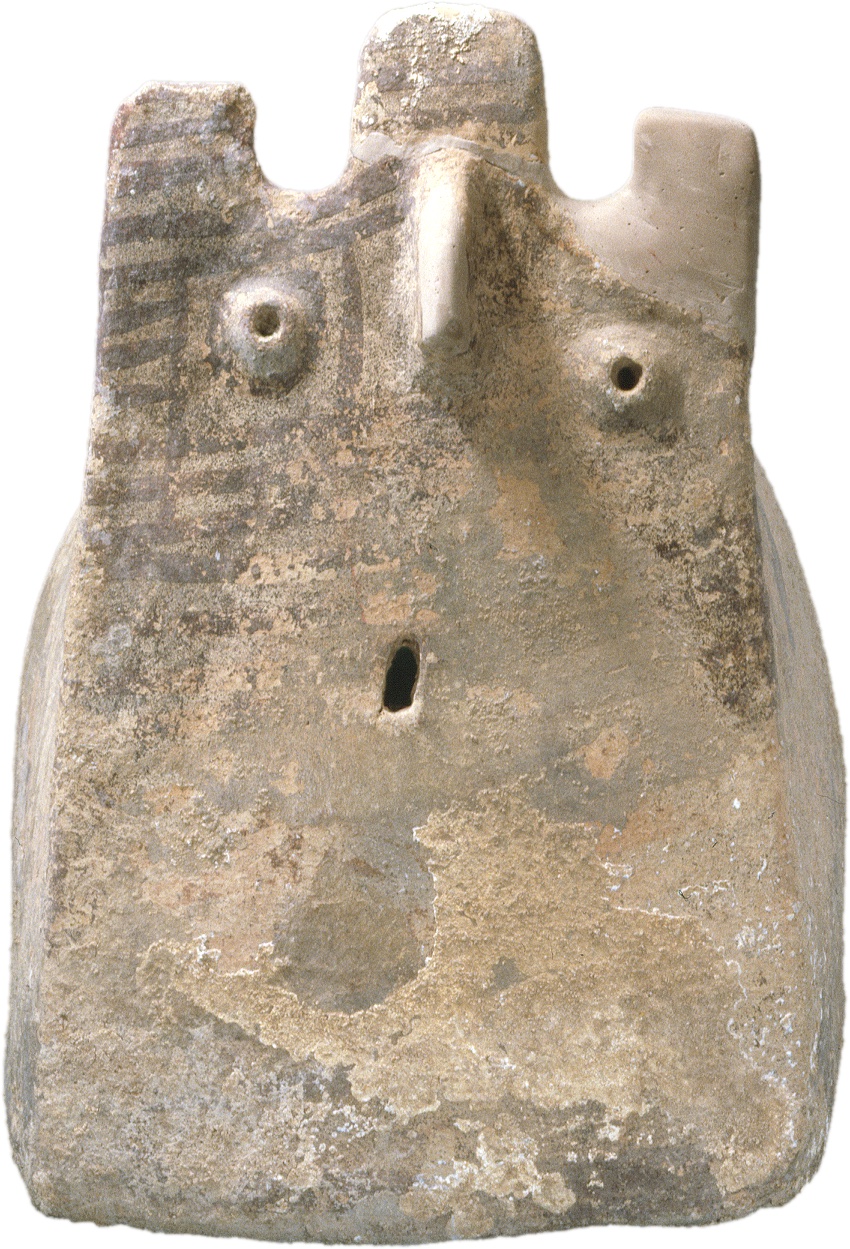
Many human societies created masks, but they were especially common in the Eastern Mediterranean. Phoenician masks spread from east to west, but what were they for and why did the tradition die?
[/vc_column_text][mk_divider thickness=”1″ margin_top=”10″][vc_column_text]

By Brent Nongbri

Scholars and the public are accustomed to thinking of early Christian writings as texts rather than artifacts. If we examine the history of the documents themselves, a new picture emerges.泭[/vc_column_text][mk_divider thickness=”1″ margin_top=”10″][vc_column_text]

By Joan E. Taylor

Beekeeping is an ancient human activity but archaeological evidence for it is difficult to find. An ancient jar from an unlikely spot, the attic of the Albright Institute, may be one example. [/vc_column_text][mk_divider thickness=”1″ margin_top=”10″][/vc_column_inner][/vc_row_inner][/vc_column][/vc_row]

Life and Happiness: A Petitionary Reading of the Horizontal Wadi el-H繫l Inscription [VIDEO]

[vc_row fullwidth=”true” css=”.vc_custom_1486761987223{padding-top: 0px !important;padding-right: 0px !important;padding-bottom: 0px !important;padding-left: 0px !important;}”][vc_column][vc_single_image image=”39757″ img_size=”full”][/vc_column][/vc_row][vc_row fullwidth=”true” css=”.vc_custom_1487275830783{padding-top: 10px !important;padding-right: 0px !important;padding-bottom: 0px !important;padding-left: 0px !important;}”][vc_column width=”1/12″ css=”.vc_custom_1493002455400{margin-right: 10px !important;}” offset=”vc_hidden-md vc_hidden-sm vc_hidden-xs”][vc_column_text]

泭釦晨插賊楚

[/vc_column_text][mk_image src=”http://www.asortest.org/wp-content/uploads/2017/01/social-fb-icon4.jpg” image_width=”42″ image_height=”42″ hover=”false” custom_url=”https://www.facebook.com/ASOResearch/” margin_bottom=”0″][mk_image src=”http://www.asortest.org/wp-content/uploads/2017/01/social-tw-icon4.jpg” image_width=”42″ image_height=”42″ hover=”false” custom_url=”https://twitter.com/ASOResearch?ref_src=twsrc%5Egoogle%7Ctwcamp%5Eserp%7Ctwgr%5Eauthor” margin_bottom=”0″][mk_image src=”http://www.asortest.org/wp-content/uploads/2017/01/social-in-icon4.jpg” image_width=”42″ image_height=”42″ hover=”false” custom_url=”https://www.linkedin.com/company/american-schools-of-oriental-research” margin_bottom=”0″][mk_image src=”http://www.asortest.org/wp-content/uploads/2017/01/social-ml-icon_7.jpg” image_width=”42″ image_height=”42″ hover=”false” custom_url=”mailto:asor@bu.edu” margin_bottom=”0″][mk_image src=”http://www.asortest.org/wp-content/uploads/2017/01/blog-icon3.jpg” image_width=”42″ image_height=”42″ hover=”false” custom_url=”http://asorblog.org/” margin_bottom=”0″][/vc_column][vc_column border_color=”rgba(255,255,255,0.01)” width=”1/6″ css=”.vc_custom_1493004112151{margin-right: 20px !important;border-left-width: 2px !important;padding-right: 20px !important;padding-left: 20px !important;border-left-color: #99422f !important;}”][mk_divider divider_color=”rgba(255,255,255,0.01)” thickness=”1″ margin_top=”3″ margin_bottom=”3″][vc_widget_sidebar sidebar_id=”ca-sidebar-38125″ el_class=”.widget { overflow: hidden; margin-bottom: 0; }”][/vc_column][vc_column border_color=”rgba(170,170,170,0.01)” width=”8/12″ css=”.vc_custom_1487276122024{margin-right: 10px !important;margin-bottom: 30px !important;border-right-width: 2px !important;border-bottom-width: 2px !important;padding-top: 30px !important;padding-right: 30px !important;padding-left: 20px !important;background-color: #ffffff !important;border-right-color: rgba(227,228,228,0.75) !important;border-bottom-color: rgba(227,228,228,0.75) !important;}”][vc_column_text]

WELCOME TO THE 17勛圖BLOG

The American Schools of Oriental Research (ASOR) is the preeminent society for individuals interested in the archaeology of the eastern Mediterranean and the Biblical Lands. This blog is intended to facilitate ASOR���s泭mission泭���to initiate, encourage and support research into, and public understanding of, the cultures and history of the Near East from the earliest times.���[/vc_column_text][mk_divider thickness=”1″ margin_top=”10″][vc_row_inner][vc_column_inner][vc_column_text]

Life and Happiness: A Petitionary Reading of the Horizontal Wadi el-H繫l Inscription

[/vc_column_text][/vc_column_inner][/vc_row_inner][vc_row_inner][vc_column_inner][vc_single_image image=”46335″ img_size=”full” alignment=”center” css=”.vc_custom_1554045204945{padding-right: 10px !important;}”][/vc_column_inner][/vc_row_inner][vc_row_inner][vc_column_inner][vc_column_text]At the 2014 , Aren Wilson-Wright presented his paper, ���Life and Happiness: A Petitionary Reading of the Horizontal Wadi el-H繫l Inscription.��� He also took the time to meet with the ASORtv team to present his paper for the 17勛圖YouTube channel. Below you can watch his paper presentation, and read the abstract from the 2014 17勛圖Annual Meeting program book.

Don���t forget to check out our YouTube channel ! Click the subscribe button below!

Abstract from the 2014 Annual Meeting Program book.

Aren Wilson-Wright (University of Texas at Austin), ���Life and Happiness: A Petitionary Reading of the Horizontal Wadi el-H繫l Inscription���

Discovered in 1995, the two inscriptions from Wadi el-H繫l constitute some of the earliest known alphabetic texts. Although David Vanderhooft has recently suggested a plausible partial reading of the vertical inscription (WEH 1), the longer, horizontal inscription (WEH 2) remains undeciphered for a number of reasons. Chief among these is the identity of the thirteenth letter. Shaped like a cowry- shell, this letter does not have any obvious descendants among later alphabetic writing systems from which to ascertain its phonetic value. In this paper, I suggest that the thirteenth letter represents the sun (*��勳鳥莽-) and had the value �� on the basis of Egyptian and Old North Arabian parallels. I also propose a new reading of the tenth letter. These identifications permit a reading of the inscription as a whole. According to my interpretation, the author of the inscription asks the divine for ���life��� (nps) and ���happiness��� (��鳥堯怌). In this regard, WEH 2 parallels Egyptian inscriptions like WEH 45, which request ���life��� (��nh) and ���stability��� (dd).

[/vc_column_text][/vc_column_inner][/vc_row_inner][mk_divider thickness=”1″ margin_top=”10″][vc_row_inner][vc_column_inner][vc_column_text]All content provided on this blog is for informational purposes only. The American Schools of Oriental Research (ASOR) makes no representations as to the accuracy or completeness of any information on this blog or found by following any link on this blog. 17勛圖will not be liable for any errors or omissions in this information. 17勛圖will not be liable for any losses, injuries, or damages from the display or use of this information. The opinions expressed by Bloggers and those providing comments are theirs alone, and do not reflect the opinions of 17勛圖or any employee thereof.[/vc_column_text][/vc_column_inner][/vc_row_inner][/vc_column][/vc_row]